The metal is cold before it ever touches the sky.
In a windowless room on the outskirts of Riyadh, blueprints glow under fluorescent strips, mapping out the architecture of absolute air superiority. Thousands of miles away, inside a sleek office in Washington, a signature lands on a manifest. Twenty-four billion, three hundred million dollars. A number so large it ceases to feel like money and starts to feel like weather. A storm front moving across an already volatile horizon.
We talk about foreign policy in dry, antiseptic terms. We talk about arms packages, bilateral agreements, defense modernization, and strategic deterrence. These words are shields. They protect us from the raw, deafening reality of what is actually being bought and sold.
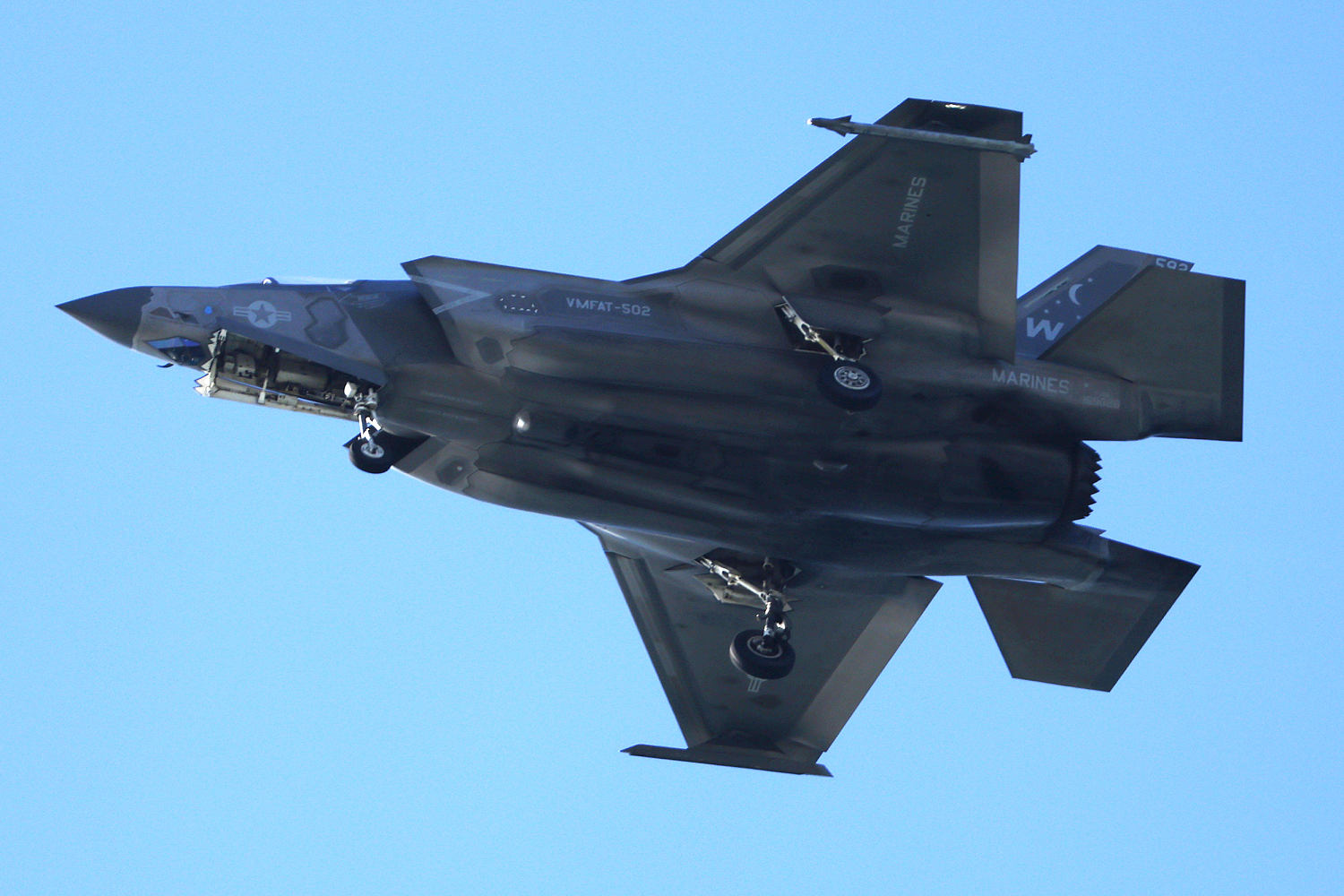
An F-35 is not just an aircraft. It is a flying supercomputer wrapped in radar-absorbent skin, a sentinel that sees through clouds, tracks dozens of targets simultaneously, and communicates in encrypted whispers across continents. To hand the keys of such a machine to a desert kingdom is to redraw the invisible lines of power that hold an entire hemisphere together.
Consider the weight of those lines.
For decades, the security architecture of the Middle East has relied on a precarious equilibrium. Every weapon introduced into the theater acts as a stone dropped into a quiet pool. The ripples spread outward, touching borders that are already frayed by proxy wars, historical grievances, and the eternal, fragile thirst for oil. When the United States clears a potential sale of this magnitude, it is not merely fulfilling an export order. It is casting a long, heavy shadow over every neighbor from the Red Sea to the Persian Gulf.
Why now?
The answer lies in the relentless gravity of modern geopolitics. Alliances are no longer forged purely on shared values; they are welded together by shared dependencies, economic survival, and the cold calculation of who fills the vacuum left by retreating superpowers. Saudi Arabia’s Vision 2030 is an ambitious, frantic attempt to outrun the ticking clock of a post-oil economy. Modernization requires protection. Protection requires deterrence. And deterrence, in the eyes of Riyadh, demands the absolute best hardware money can buy.
Yet, the security concerns raised by military analysts and lawmakers in Washington are neither trivial nor easily dismissed. Fifth-generation technology is notoriously porous. The software running these jets is a dense web of millions of lines of code, constant updates, and telemetry data that whispers secrets back to its creators. Opening that ecosystem to a partner that maintains complex, sometimes unpredictable diplomatic ties with other global heavyweights introduces vulnerabilities that keep intelligence officers awake at night.
What happens when the most advanced combat aircraft on Earth flies in skies shared by rival powers?
The risk is not merely military. It is structural. Once a nation possesses the F-35, its military doctrine shifts. Its posture hardens. The calculus of conflict changes because the cost of escalation drops. When you hold an apex predator in your hangar, the temptation to let it hunt grows stronger with every regional provocation.
Picture the tarmac at an air base outside Dhahran. The heat shimmers off the concrete, blurring the horizon into a smear of blinding white. The roar begins low—a deep, chest-vibrating rumble that vibrates through the soles of your boots before you can even spot the shape descending through the glare. It touches down with a sharp screech of rubber, a dark, angular beast folding its wings against the sun.
That machine represents decades of human ingenuity, billions in research and development, and a staggering gamble on the future of global stability.
The clearance of this sale is a transaction written in steel and cash, but its true cost will be paid in currency far less tangible. It will be paid in the shifting nerves of diplomats, the uneasy glances across conference tables, and the silent, watchful calculations of every nation trying to survive in a world where peace is often just the brief pause between two storms.
The ink is dry. The approval is granted. Now comes the hard part: living with the weather we have just created.