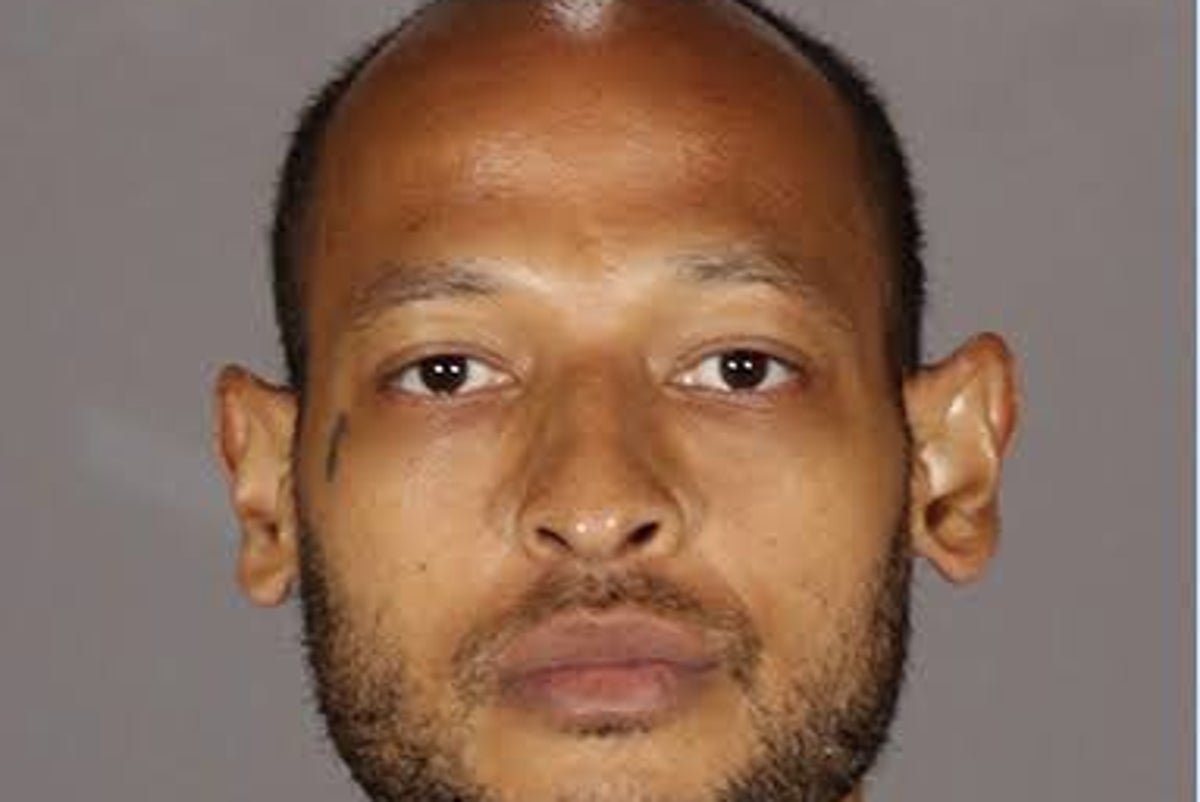
The courthouse hallway smelled of stale floor wax and damp wool. Outside, the autumn rain beat a dull, rhythmic tattoo against the wire-reinforced glass, a sound that seemed to measure out the slow, grinding machinery of local justice. Inside, a man stood before a judge, his shoulders rounded, his expression flat with the particular exhaustion of someone who has spent far too many nights on cold concrete benches.
To the internet, he was a viral punchline. A moniker screamed in capital letters across social feeds, stripped of all humanity until nothing remained but a grotesque caricature. But beneath the crude viral moniker and the digital mockery lay a very human story of compulsion, a fracturing legal system, and the quiet, heavy cost of community safety when society runs out of answers.
He received one hundred and seventy days. Just under six months behind bars for a pattern of behavior that had terrified neighborhoods and left ordinary citizens looking nervously over their shoulders.
Call it what you will, but the reality was far messier than a five-second video clip suggests.
The Anatomy of a Nuisance
Public spaces are fragile social contracts. We walk down sidewalks assuming a baseline of unspoken rules: keep your hands to yourself, respect personal space, and let others move through their day unmolested. When someone repeatedly shatters those boundaries, the public reaction swings wildly between outrage and morbid fascination.
Consider the texture of the encounters that led to the courtroom. A pedestrian minding their own business, perhaps listening to music, suddenly jolted into fight-or-flight mode by an aggressive, boundary-violating stranger. Fear is a sharp, chemical thing. It lingers long after the encounter ends, altering how people walk down their own streets, how late they stay out, and whom they trust.
Yet, when the digital mob gets a hold of such a story, nuance evaporates. The man behind the headlines becomes a monster made of pixels, engineered purely for entertainment.
We laugh because it feels safer than looking at the abyss. We meme the absurdities of modern urban life because admitting that our social safety nets have completely dissolved is too depressing to contemplate over morning coffee.
Behind the Closed Doors of the Justice System
The legal apparatus is not built to heal fractured minds; it is built to process cases.
When an individual cycles in and out of local holding cells for low-level, intrusive offenses, the court faces an agonizing dilemma. Short jail sentences do not reform compulsive behavior. They merely pause it. It is a revolving door greased by inadequate mental health resources and overwhelmed public defenders.
Imagine sitting in that courtroom, watching the paperwork shuffle from one desk to another. The judge has a docket stretching out the door. The prosecutor has a statutory obligation to protect the public peace. The defendant has a history that reads like a ledger of missed interventions.
One hundred and seventy days is handed down not out of a desire for transformation, but out of desperation. It is a temporary shield for a neighborhood that needs to sleep at night without jumping at every shadow on the porch.
And yet, any seasoned observer of the municipal court system knows the ending to this chapter before it is even written. The calendar pages will turn. The winter will thaw into spring. The sentence will conclude, and the man will step back out onto the exact same pavement, carrying the exact same unaddressed demons.
The Mirror We Refuse to Look Into
It is easy to point fingers at the perpetrator or to scoff at the leniency or harshness of a sentence. It is much harder to examine the environment that produces these recurring tragedies of urban alienation.
We live in cities packed with millions of souls where profound isolation is the default setting. People slip through the cracks not because the cracks are hidden, but because we have built a society that actively looks away. When someone’s mental deterioration plays out on public transit and crowded plazas, we pull our coats tighter, slide our headphones deeper into our ears, and quicken our pace.
We want public spaces to be safe, clean, and predictable, but we invest precious little in the messy, unglamorous work of stabilizing the vulnerable before they cross the line into criminality.
The headlines will fade. The internet will find a new spectacle to consume, digest, and discard by tomorrow afternoon. The digital mob will migrate to a fresh target, leaving behind the wreckage of another viral obsession.
But the rain keeps falling on the courthouse steps. The doors open, letting in a gust of cold wind. Inside, the gavels keep falling, measuring out time in short, desperate increments, while the underlying sickness of our streets waits patiently in the dark for morning to come.