The Boarding Pass
The weather in Moscow was cold enough to bite through wool, but inside the private terminal, the air felt thick, heavy with the sort of silence that precedes an announcement nobody wants to hear.
Min Aung Hlaing stepped off the aircraft, his boots striking the tarmac with a precise, measured cadence. For a man who ruled a fractured country from a heavily fortified capital thousands of miles away, this trip was not merely diplomatic. It was a lifeline. Back home, the rumble of artillery echoed through valleys where teak forests once stood untouched, and supply lines stretched thin under the pressure of widespread resistance. Out here, under the gray winter sky of the Russian Federation, the objective was simple: secure friends who ask fewer questions about human rights and possess plenty of spare parts for fighter jets.
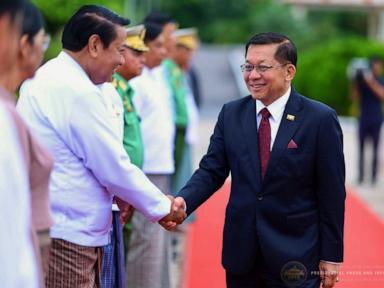
To understand this journey, one must look beyond the dry Reuters dispatches and the stiff handshakes photographed for state television. This is a story about isolation, desperation, and the strange geometry of modern geopolitics where two heavily sanctioned regimes find solace in each other's cold shoulder from the West.
The Economics of Isolation
Imagine sitting in a cramped command room in Naypyidaw. The electricity flickers—another rolling blackout. Reports arrive from the front lines in Sagaing and Chin State: ammunition is running low, fuel prices have tripled, and foreign currency reserves are dwindling faster than morning mist under a tropical sun.
When your traditional trading partners step back, and when neighboring nations eye your internal chaos with growing unease, your options narrow to a desperate few.
Russia knows this posture well. Trapped behind its own wall of international economic restrictions following the invasion of Ukraine, Moscow has turned its gaze eastward and southward, hunting for cash, commodities, and diplomatic cover at the United Nations. Myanmar offers all three, albeit on a modest scale. In return, Naypyidaw receives what it craves above all else: military hardware, technological cooperation, and a powerful ally willing to veto resolutions that sting.
It is a marriage of convenience born in the waiting room of global pariahs.
Consider what happens when trade lanes shrink. Barter systems re-emerge. Energy deals are struck in obscure currencies. Pilots are trained on foreign tarmac. Every handshake captured by state cameras represents a hedge against total collapse.
The Human Cost on the Ground
Back in a village near the Ayeyarwady River, the geopolitical calculus of Moscow and Naypyidaw feels very distant, yet intimately destructive.
Daw Mya sat on her porch, her hands weaving a bamboo basket while her grandchildren played in the dust of the lane. She did not know the specifics of strategic bilateral agreements or energy security forums. She only knew the roar overhead. A jet fighter, purchased from abroad and fueled by imported petroleum, banking sharply before unleashing ordinance miles away.
That is the invisible stake of these high-level summits. Every diplomatic pact signed in a chandelier-lit hall in Russia translates directly into aviation fuel, rotor blades, and artillery shells in the jungles of Southeast Asia. The abstraction of international relations evaporates the moment a missile hits a civilian marketplace.
Observers often talk about geopolitics as a game of chess played by grandmasters. But the board is made of human lives. When Min Aung Hlaing confers with Russian defense officials, the pieces being moved across the table are not plastic or wood. They are sovereignty, local economies, and the fragile futures of millions of citizens trapped in the crossfire of an intractable civil war.
The Mirror Image
There is a striking psychological symmetry between the two leaders meeting across the polished mahogany tables in Moscow. Both face unprecedented internal pressure. Both rely heavily on information control, state media narratives, and a loyal officer corps to maintain their grip on power.
When you rule by force rather than consent, your world shrinks. You stop visiting neighborhoods where citizens might frown or turn their backs. Instead, you fly thousands of miles to meet someone who speaks your language—the language of survival against the tide of history.
The talks covered energy, nuclear technology cooperation for peaceful purposes—a phrase that always raises eyebrows in intelligence capitals—and trade facilitation. Yet, beneath the diplomatic communiqué lies the stark reality of two governments operating on borrowed time and alternative banking networks.
They are leaning on each other because the rest of the world has locked the door.
The Unfinished Horizon
The aircraft doors closed once more against the Russian frost. The engines whined, spooling up to a deafening pitch before lifting heavy metal into the overcast sky.
Min Aung Hlaing looked out the cabin window as the lights of Moscow blurred into the white expanse below. He was returning to a country divided, where young men and women had taken up arms in the hills, where the economy groaned under the weight of conflict, and where every day required a new maneuver to stay upright.
The strategic ties had indeed been deepened. Documents had been signed, hands had been shaken, and promises had been exchanged in whispers that will reverberate through artillery fire for months to come. But alliances forged in mutual isolation rarely offer true warmth. They offer shelter from the storm, nothing more.
And down below, across forests, rivers, and burning villages, the wind kept shifting, carrying the sound of tomorrow's uncertainty.