Silence is rarely just an absence of sound. Sometimes, it is a heavy, suffocating weight, a conscious choice to look away when the air turns foul and the ground begins to shift.
Consider a quiet street in Higher Broughton, where the ordinary rhythms of life mask extraordinary burdens. Behind closed doors, choices are weighed in fractions of a second. Do you speak, or do you swallow the truth? Do you protect your own comfort, or do you risk everything by uttering words that could shatter a community's fragile peace? That internal calculus plays out in whispers and hidden glances long before law enforcement ever knocks on a door.
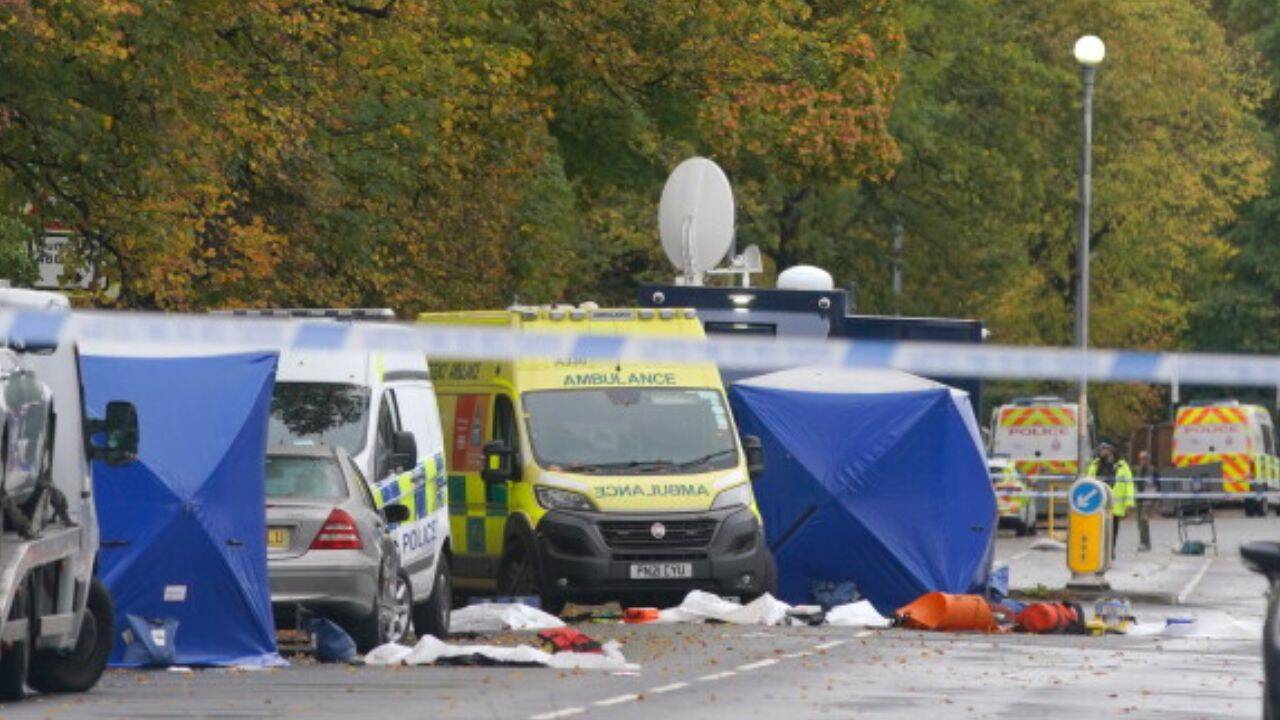
When the Heaton Park Hebrew Congregation Synagogue bled under the autumn sun on Yom Kippur, the holiest day of reflection, the shockwaves did not stop with the fallen. Melvin Cravitz and Adrian Daulby did not return home that day. Families were broken, an entire congregation was plunged into mourning, and a city was forced to look square in the eye of a terrifying reality. In the months that followed, investigators sifted through the digital wreckage, tracing the paths of extremism that led to the gates. Life sentences were handed down to co-conspirators, internal reviews laid bare painful missed opportunities, and the machinery of justice ground forward with meticulous, unyielding gravity.
Yet the investigation did not end with the tragedy itself. It stretched backward into the shadows, searching for the connective tissue of complicity.
Counter Terrorism Policing North West reached a significant milestone when officers formally charged Hekmat Omar Ali Hakim. The 49-year-old Iraqi national, residing on St James Road, found himself facing a specific, grave accusation under Section 38B of the Terrorism Act 2000: failing to disclose information regarding terrorist activity.
The charge cuts straight to the core of how dark networks survive. Terrorism does not merely live in the minds of those who pull triggers or strap on fake devices. It festers in the spaces between people. It survives because individuals know things, see things, hear whispers of intent, and choose the path of least resistance. They keep quiet. They assume someone else will intervene, or they decide that self-preservation outweighs moral duty.
Section 38B exists because the law recognizes that withholding what you know is a choice with blood on its hands. It targets the enablers, the silent witnesses, the ones who stand at the periphery and watch a storm gather without shouting a warning.
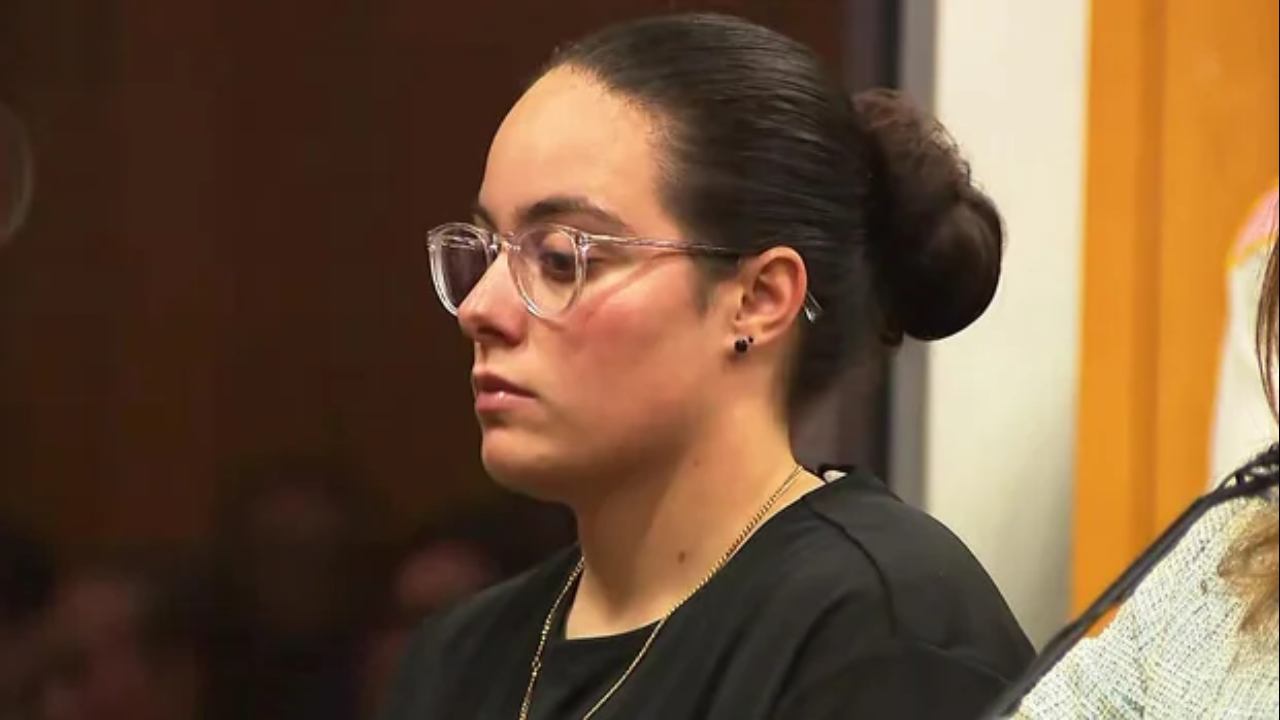
When Hakim appeared before Westminster Magistrates Court, remanded securely behind the walls of the justice system, it marked a reckoning not just for one man, but for the principle of shared responsibility. Assistant Chief Constable Rob Potts noted that the charge was the culmination of exhaustive, meticulous work by detectives determined to map the entire architecture of the attack. Every phone record analyzed, every digital footprint recovered, and every witness interviewed pulls back another layer of the darkness.
The community in Manchester continues to rebuild, lighting candles against the dark and holding fast to their resilience. But the ghost of that October morning remains a harsh reminder that safety is an active, collective pact.
When the truth is known, keeping it hidden is never neutral. It is an active choice. And eventually, the bill always comes due.