Silence has a weight. In rural Nigeria, before the dawn prayer calls out across the rustling acacia leaves, silence is supposed to mean peace. It is the quiet of breathing earth, of tired farmers resting before the sun hardens the soil, of children curled beneath thin blankets. But lately, silence carries a knife.
Dawn came differently to the community nestled around a local mosque in Zamfara State. It arrived not with the gentle rustle of morning routines, but with the roar of motorcycles. Engines tore through the quiet air, shattering the holy hour with a mechanical violence that residents have learned to fear above all else.
Panic. Chaos. Then, a chilling emptiness.
When the dust settled and the exhaust fumes cleared from the courtyard, more than sixty worshippers had vanished. Taken. Swept away into the bush by armed men whose motives blur the line between banditry and terror. Police reports would later call them gunmen. Official statements would tally the numbers with cold bureaucratic precision: over sixty souls.
Numbers lie because they do not bleed. Sixty is not just a statistic tallied on a police blotter in Abuja. Sixty is a father who spent his life teaching his sons how to harvest maize without breaking the stalks. Sixty is a young bride whose hands are still stained with henna. Sixty is an old man whose knees ache with arthritis, forced to march through dense thickets under the barrel of an assault rifle because he cannot run fast enough.
Consider what happens next in these forgotten corners of the West African interior.
The immediate aftermath is a ghost town of echoes. Relatives gather outside mud-brick homes, their eyes hollow, clutching empty teacups. They do not know who to call. They do not know who to pay. The ransom demands, when they come, will be denominated in sums that represent generations of labor—millions of naira for a single human life. Families will sell their goats, their land, their iron roofs, turning themselves into paupers just to buy back a brother or a mother.
Security forces promise investigations. Checkpoints are reinforced miles away on asphalt highways where the bandits rarely travel. Meanwhile, the real theater of survival plays out in the unforgiving wilderness.
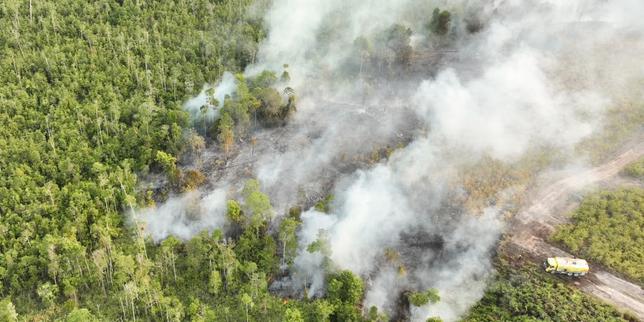
The forests of Zamfara and Katsina have become sprawling open-air prisons. Vast, tangled, and largely ungoverned spaces where state authority dissolves into green shadows. Think of these forests not as nature reserves, but as labyrinths. Every tree is a landmark for men on stolen motorcycles; every ravine is a hidden camp where captives are counted like cattle.
It is easy for the world to look away. We read the headline on a glowing screen over morning coffee, blink at the grim tally of abducted worshippers, and scroll down to sports or celebrity gossip. The distance is too great. The names are too foreign.
Yet, this is not an isolated tragedy. It is part of a systemic hemorrhage draining the lifeblood of rural communities. What began years ago as clashes over grazing rights and water has mutated into a sprawling criminal enterprise. Kidnapping has become a terrifying economy. Armed gangs operate with impunity, striking mosques, churches, schools, and highways. They treat human lives as liquid assets.
Imagine walking into your place of worship. The floor is cool beneath your forehead. You whisper your deepest anxieties, seeking sanctuary from a hard world. Now imagine heavy boots trampling that sacred space. Imagine the sharp crack of gunfire splintering the wooden doors. Imagine the absolute betrayal of safety in the one place where you believed you were untouchable.
This is the psychological warfare paralyzing Nigeria's breadbasket. Farmers abandon their fields because the bush is watching. Famine looms not from drought or poor soil, but from sheer terror. When people cannot farm, cities starve. When communities fracture, the social fabric tears beyond repair.
Behind the dry police statements lies a quiet, desperate courage. Mothers trekking miles through dangerous terrain to plead with village chiefs. Elders pooling together crumpled naira notes to offer as ransom. Children playing quiet games, listening for the distant hum of an engine, wondering if the men are coming back today.
There are no easy solutions here. Military campaigns sweep through the forests, dropping bombs and scattering the gangs, only for the fighters to reform deeper in the brush or melt into civilian populations. Ransom payments feed the beast, buying more weapons, more ammunition, more motorcycles, fueling the very cycle that makes escape impossible.
The sun sets over the Nigerian savannah, painting the horizon in bruised shades of purple and orange. In the village square, a handful of remaining residents sit in a circle. They do not speak. They listen to the wind moving through the grass, straining for a sound that might bring their people home, or signal the beginning of another nightmare.