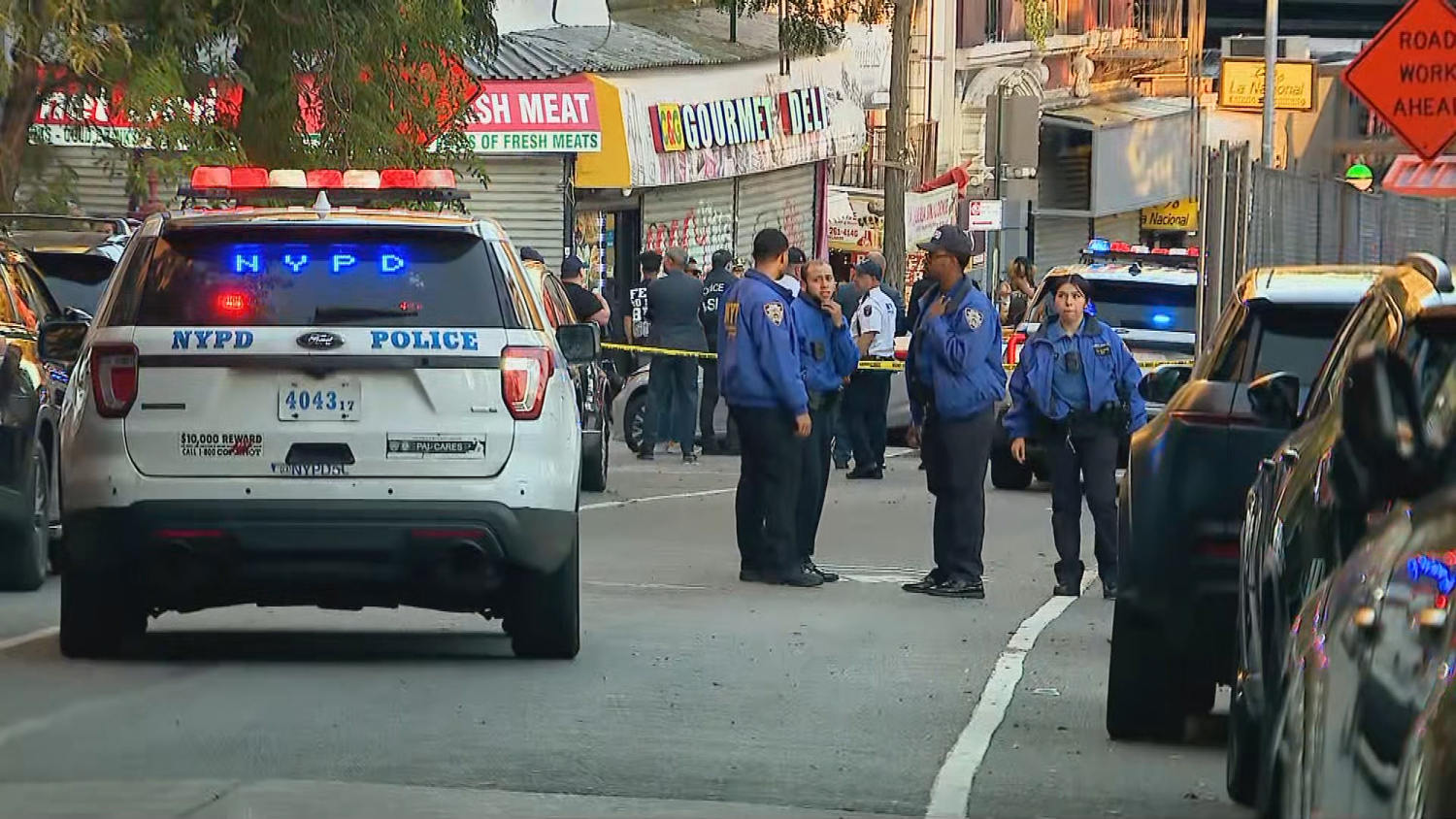
The quiet of a Thursday afternoon in the Marble Hill neighborhood of New York City shattered with the crack of a firearm. Federal immigration officers, operating far from the borderlands in the dense labyrinth of the nation's largest municipal center, had just shot a man in the neck.
He was not alone. Inside the vehicle sat a five-year-old child.
That single detail transformed what federal authorities routinely log as an enforcement action into an urban crisis. It dragged the hidden mechanics of internal immigration enforcement squarely into the blinding glare of public scrutiny. For decades, Immigration and Customs Enforcement operations within sanctuary-leaning cities have existed in a tense, ambiguous space. Local police departments maintain varying degrees of separation, municipal leaders issue swift condemnations, and federal agencies insist upon the absolute necessity of their mandate. Yet when bullets pierce windshields on residential streets, the abstract debate over federal authority crashes violently into the physical reality of neighborhood safety.
To understand how a routine daytime apprehension dissolves into gunfire, one must examine the structural realities of modern domestic enforcement operations. Federal agents operating within densely populated metropolitan environments face unique tactical hurdles. Unlike rural jurisdictions or controlled border crossings, urban enforcement frequently relies on mobile surveillance, unannounced vehicle stops, and split-second decisions made amid heavy pedestrian and vehicular traffic. The element of surprise, prized by tactical planners, often clashes directly with the chaotic unpredictability of city streets.
When federal personnel move to intercept a target in a vehicle, the margin for error narrows to fractions of a second. Agents are trained to treat vehicles as potential weapons, capable of being deployed to evade custody or injure personnel. Yet this operational doctrine creates an inherent hazard. When force is escalated inside a confined space shared with civilians—in this case, a young child—the calculus of risk shifts dramatically. The defensive posture of the agent collides with the sheer vulnerability of bystanders, producing outcomes that local officials routinely decry as reckless.
The immediate aftermath followed a well-worn script. Local political leaders expressed outrage, demanding federal accountability and transparency. Department of Homeland Security officials defended the actions of their personnel, citing resistance and the inherent dangers faced by officers in the field.
Lost in this familiar political friction is the deeper institutional question governing internal federal policing. Local police forces spend years developing specialized training in de-escalation, crowd control, and urban spatial awareness, precisely because deploying lethal force in a crowded city carries catastrophic collateral risks. Federal immigration enforcement agencies, historically structured around border security and targeted removal operations, often apply tactical frameworks that fit uncomfortably within residential neighborhoods.
The physical proximity of federal agents to civilian populations in cities like New York creates a permanent friction point. When enforcement happens in the shadows, it generates fear within immigrant communities. When it explodes into public view via gunfire, it alienates the broader civic infrastructure.
The bullet holes in that car windshield in Marble Hill represent more than an isolated tactical failure or a statistical outlier in federal enforcement logs. They expose the friction of two incompatible visions of urban security operating in the same space. Until the structural gap between federal enforcement methodologies and urban safety realities is addressed, these streets will remain a volatile intersection where policy meets gunfire.