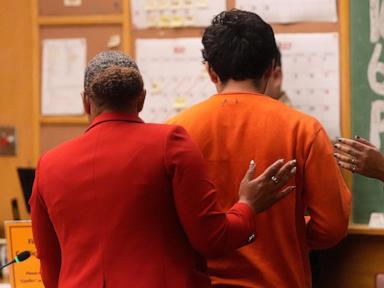
The legal proceedings against a man accused of attempting to murder OpenAI CEO Sam Altman at his San Francisco residence have entered a critical phase following a formal plea of not guilty. This case, while centered on a specific act of alleged violence, highlights a growing friction between the architects of the artificial intelligence boom and a public increasingly unsettled by the pace of change. On Tuesday, the defendant appeared in court to contest charges that he breached the security of one of the most powerful figures in Silicon Valley with the intent to kill.
Public records and initial police reports paint a picture of a calculated breach. The suspect was apprehended on the grounds of Altman’s multimillion-dollar estate, a property that has become a symbol of both the immense wealth generated by the AI gold rush and the vulnerability of those leading it. While the defense argues that the prosecution’s case lacks clear evidence of murderous intent, the District Attorney’s office is leaning heavily on the suspect's digital trail and the physical tools found at the scene. This isn't just a simple trespassing case; it is being treated as a targeted strike against the face of a technological revolution.
The Physical Reality of Digital Power
Security around the high priests of the tech industry has transformed from a luxury into a hard-line operational necessity. For years, Altman and his peers operated with a level of public accessibility that now seems like a relic of a different era. That era is dead. The incident at Altman's home underscores a shift where the personal safety of a CEO is now inextricably linked to the valuation and stability of the company they lead. When a person targets the head of OpenAI, they aren't just attacking an individual; they are targeting the perceived source of a massive, disruptive force that many feel they can no longer control or understand.
The mechanics of the "not guilty" plea are standard, yet the context is anything but. Defense attorneys often use this initial stage to buy time, looking for procedural errors or mental health factors that might mitigate the severity of the charges. In this instance, the defense is expected to scrutinize the definition of "attempted murder," questioning whether the suspect had a definitive plan or was merely a confused individual caught in the wrong place. However, the prosecution remains adamant that the level of preparation involved suggests a focused, lethal objective.
A Growing Climate of Resentment
To understand why this happened, we have to look past the police tape. We are witnessing a period of unprecedented social anxiety. AI isn't just a tool; for many, it represents a looming threat to their livelihoods and their sense of reality. When the public sees Sam Altman, they don't just see a successful businessman. They see the man holding the keys to an engine that might automate their jobs out of existence. This doesn't justify violence—nothing does—but it provides the grim backdrop for why tech leaders are increasingly finding themselves in the crosshairs of the disillusioned.
The Security Industrial Complex
The response to this threat has been the rapid fortification of Silicon Valley. Private security firms are seeing a massive influx of capital as executives scramble to build literal and figurative walls.
- Residential hardening: High-end estates are being outfitted with military-grade surveillance, motion sensors, and reinforced entry points.
- Executive protection details: Leading CEOs no longer travel without a small army of former special operations personnel.
- Digital counter-surveillance: Specialized teams now monitor the dark web and social media for "chatter" that might indicate a coordinated or lone-wolf attack.
These measures create a feedback loop. As executives retreat into fortified bunkers, they become further detached from the everyday reality of the people their technology affects. This distance breeds further suspicion, which in turn necessitates more security. It is a cycle of isolation that shows no signs of slowing down.
Legal Hurdles and the Burden of Proof
Proving attempted murder is a notoriously difficult task for a prosecutor. It requires more than just showing that a person was present and armed. The state must prove specific intent. They have to demonstrate that the defendant took a "direct but ineffectual" step toward killing the victim. In the Altman case, the prosecution will likely rely on any journals, search histories, or social media posts that indicate premeditation. If they can’t find a "smoking gun" document, the case may hinge on the specific actions the defendant took once he was inside the property lines.
The defense, meanwhile, will likely pivot toward the defendant’s state of mind. In many high-profile stalking or domestic security breaches, the "mental health defense" is a common strategy. By portraying the defendant as someone suffering from a break with reality rather than a cold-blooded assassin, they can aim for a lower charge like aggravated trespassing or assault. This creates a tension in the courtroom between the need for public safety and the complexities of individual psychology.
The Symbolic Weight of the Altman Estate
Altman’s home is more than a residence; it is a fortress of the new elite. Situated in one of San Francisco’s most exclusive enclaves, it represents the physical manifestation of the divide between the "builders" and the "users." The fact that someone was able to penetrate this bubble, even temporarily, has sent shockwaves through the venture capital and tech communities. It serves as a reminder that no amount of encryption or wealth can fully insulate a person from the physical world.
The trial will likely delve into the specific vulnerabilities of the estate’s security system. This is a nightmare scenario for any high-net-worth individual. The court proceedings will inevitably go public with details about how the breach occurred, potentially providing a roadmap for others with similar intentions. It is a catch-22 for the legal system: the more transparent the trial, the more information is leaked about the very security flaws it seeks to address.
Beyond the Courtroom
This trial is a bellwether for the future of the tech industry’s relationship with the public. If the defendant is convicted of attempted murder, it will be a clear signal that the legal system views these threats with the utmost gravity. If the charges are reduced, it may embolden others who feel that the leaders of the AI movement are "fair game" for harassment or worse.
We are moving into a phase where the creators of technology are being held personally responsible for the societal shifts their products trigger. While Altman himself has often spoken about the need for regulation and caution, those words often fall on deaf ears for those who feel the immediate sting of economic displacement. The court case is the extreme, violent end of a spectrum of frustration that includes protests, lawsuits, and regulatory crackdowns.
The Impact on OpenAI Operations
While the company maintains that operations continue as normal, the psychological toll on a leadership team cannot be ignored. When a CEO is targeted at their home, it changes the way they move through the world. It changes how they interact with their employees and how they perceive the public. There is a risk that OpenAI, and companies like it, will become even more secretive and insular as a direct result of these security threats. This "bunker mentality" is the opposite of the transparency that many advocates argue is necessary for the safe development of artificial intelligence.
The focus on the defendant’s plea is just the beginning. The discovery phase of the trial will likely unearth more details about the suspect’s motivations. Was this a personal grievance? Was it fueled by a specific ideology regarding the "singularity" or AI ethics? Or was it the act of a man who saw a famous name and decided to lash out? The answers to these questions will determine if this was an isolated incident or the first tremor of a larger seismic shift in how the public interacts with the architects of our future.
Silicon Valley's New Normal
The days of the "celebrity CEO" who wanders the streets of Palo Alto or San Francisco unescorted are over. We have entered an era of high-stakes, high-security existence for the people at the top of the food chain. This trial is the first major test of how the legal system will handle the fallout of this new reality. As the proceedings move forward, the tech industry will be watching closely, not just for the verdict, but for what it says about their own safety in an increasingly volatile world.
The legal system must now balance the rights of the accused against the clear need to protect individuals from targeted violence. This balance is precarious. If the prosecution fails to make a compelling case for attempted murder, the message sent to the tech community will be one of profound insecurity. If they succeed, it may provide a temporary deterrent, but it does nothing to address the underlying resentment that fueled the act in the first place.
The trial continues next month with a focus on the digital evidence recovered from the defendant's devices. This data will likely provide the clearest window into the "why" behind the attack, revealing whether the target was Sam Altman the man, or Sam Altman the symbol. Until then, the gates of Silicon Valley’s estates will remain tightly shut, and the guards will remain on high alert.