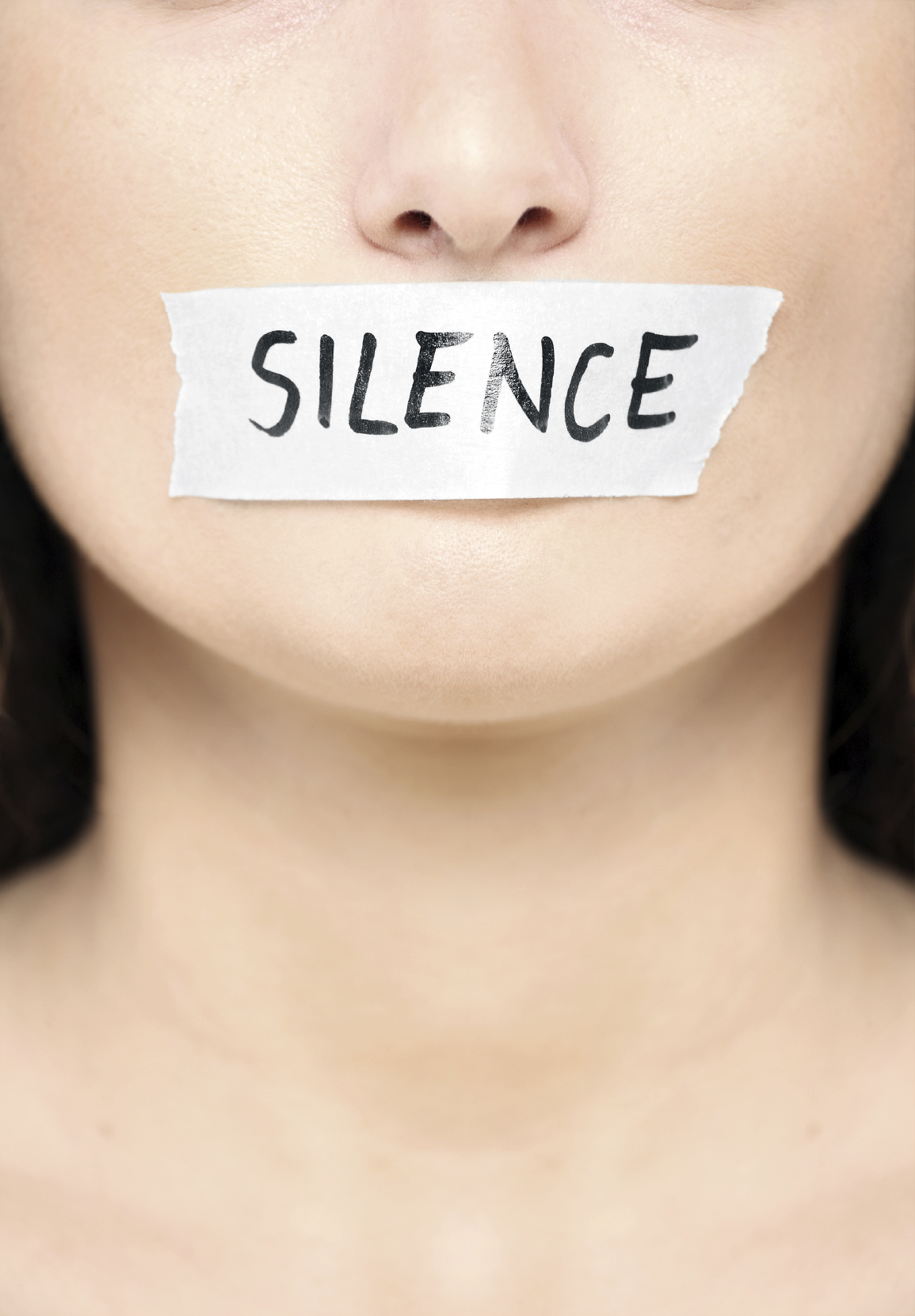
When a former prime minister gets locked away and his family members start vanishing into thin air, you know standard political friction has long since crossed into dangerous territory. Months of absolute isolation inside Adiala Jail have left the outside world guessing about Imran Khan's actual physical condition. Meanwhile, his sons, sitting thousands of miles away, are forced to watch a high-stakes state crackdown swallow up their relatives.
Kasim Khan didn't mince words when he took to social media to highlight the grim reality. With no direct line of communication to his father for over half a year, the anxiety isn't just political—it's intensely personal. When family lawyers and blood relatives are completely shut out from visiting an incarcerated leader, speculation replaces facts. You're left staring at a black box where basic human rights are suspended under the guise of public safety ordinances. For an alternative perspective, see: this related article.
The Anatomy of State Silence and Preventive Detentions
The legal gymnastics used to sideline political opposition in Pakistan rarely surprise seasoned observers anymore, but the scale of this crackdown hits differently. Take the legal status of Imran Khan's sisters, Aleema and Uzma Khan. Preventive detention orders, often dusted off from colonial-era legal frameworks like the Maintenance of Public Order (MPO), have been weaponized to pluck family members off the streets.
Authorities claim these measures are necessary to prevent public unrest and maintain order. Yet, lawyers point out the obvious flaw: holding individuals without clear charges or denying access to basic medical provisions turns routine legal custody into an arbitrary punishment. When family members trying to advocate for an imprisoned leader end up behind bars themselves, the message from the establishment is blunt and unmistakable. Dissent gets treated as a security threat. Similar analysis on this trend has been provided by The New York Times.
Why Distance Amplifies the Crisis for Khan's Sons
Living abroad while your father sits in a maximum-security cell and your aunts face sudden detention creates a unique kind of helplessness. Kasim and Suleiman Khan have repeatedly called out international bodies for looking away while family units are systematically targeted. Denying visa processing or erecting bureaucratic brickwalls to keep sons from visiting their aging father crosses the line from political rivalry into collective punishment.
People often ask why these updates matter on a global scale. They matter because the erosion of due process in a nuclear-armed state destabilizes an entire region. When courts decline immediate relief or delay hearings on preventive detentions, public trust in the judiciary evaporates.
The Broader Political Fallout
The Pakistan Tehreek-e-Insaf (PTI) base hasn't quieted down, despite relentless pressure, raids, and arrests. Every time a prominent figure or family member is detained, it fuels a deeper grievance among millions of supporters who feel their votes were stolen and their leader silenced.
Suppressing a political movement by isolating its figurehead usually backfires. It turns a politician into a symbol of resistance that no prison wall can fully contain. Until transparency replaces isolation, the questions surrounding Imran Khan's health and his family's safety will continue to dominate the headlines, keeping the political pressure cooker pinned tightly shut.
Imran Khan Sisters Released - What's Happening Behind Scenes?
This video provides a detailed breakdown of the recent developments surrounding the legal status and release updates of Imran Khan's sisters amid ongoing political tensions in Pakistan.


