The tea goes cold in the cup. This is the first thing you notice when diplomacy stalls—not the crash of doors, not the shouting in legislative halls, but the slow, heavy accumulation of waiting.
Across Tehran, ordinary citizens watch the flicker of state television with a familiar fatigue. They are bakers, university students, mechanics, and grandmothers. They do not talk about geopolitical leverage or multilateral frameworks. They talk about the price of flour, the exchange rate of the rial, and whether tomorrow’s cargo will clear the customs docks. When headlines flash across international tickers announcing that Iran has yet to make a definitive decision on returning to direct talks with the United States, the world outside sees a diplomatic stalemate. Inside the country, it feels like a heavy curtain dropped mid-act, leaving everyone frozen in the dark. You might also find this similar story insightful: Why Blaming Cartels For Ecuador's Tragedy Is Lazy Analysis.
Consider what happens next in a quiet apartment in central Tehran. A father scrolls through news alerts on his cracked smartphone. His daughter is studying for her engineering finals, her headphones resting around her neck. The glowing screen reports that officials in Tehran are weighing their options, studying the posture of Washington, measuring the cost of a step forward against the penalty of staying still. But the father does not need a political scientist to explain the stakes. He feels them in the arithmetic of his monthly grocery budget. Every month of delay stretches the rubber band a little tighter.
Pause. Look closer at the mechanics of this hesitation. As highlighted in detailed articles by Reuters, the implications are widespread.
Why do nations hesitate when the door is left half-open? Because trust is not a light switch. It is an old bridge worn down by decades of heavy traffic, missing planks, and rusted cables. When officials in Tehran state that no final decision has been reached regarding a resumption of negotiations with the United States, they are standing at the edge of that broken bridge. They are testing the wood with their boots. They want to know if it will hold their weight or drop them into the gorge below.
In international relations, we often speak of capitals and delegations as if they were monoliths—giant stone figures moving across a chessboard. This is a comforting fiction. It allows us to process immense suffering and strategic ambition through neat bullet points. But foreign policy is made of human pulses. It is made of tired negotiators staring at hotel room carpets at three in the morning, wondering if their compromise will be denounced as treason back home. It is made of leaders calculating political survival against economic collapse.
To understand why talks remain paused, we must look backward before we look forward. Years of broken agreements have left deep craters in the political landscape. When the Joint Comprehensive Plan of Action was signed, a wave of cautious optimism swept through the streets of Iranian cities. Young entrepreneurs planned export businesses. Families dreamed of foreign travel without visa humiliations. Then came the sudden reversal, the re-imposition of sweeping economic penalties, and the sharp drop in living standards for millions who had nothing to do with uranium enrichment or ballistic missile programs.
That collective memory is a powerful anchor.
When a government considers returning to the table, it is not merely asking whether the other side is sincere. It is asking its own citizens to risk hope a second time. Hope is a dangerous commodity when you have already paid for its failure with your savings account.
Imagine a hypothetical merchant in the Grand Bazaar of Tehran, a man whose family has sold hand-woven Persian carpets for four generations. Let us call him Reza. Reza’s warehouse is stacked with wool and silk that should be on cargo ships heading toward European and American ports. Instead, they gather dust. When foreign journalists ask Reza about the prospects of US-Iran talks, he does not quote geopolitical analysts. He simply wipes a layer of fine dust from a crimson rug and shakes his head.
"Talks are cheap," Reza might tell you, pouring amber tea into a small glass. "Ink is cheap. But my shipping costs are real. Inflation is real. Until I see a contract that survives a change of administration in Washington, these carpets stay right here."
Reza’s skepticism is not stubbornness. It is an empirical survival strategy honed by decades of shifting tides.
When Tehran announces that deliberations are ongoing and no definitive timetable exists for re-engagement, it is signaling to Washington and European capitals that the terms of engagement must change. The old playbook—where smaller concessions were met with maximum pressure—is viewed through a lens of profound distrust. Iranian officials argue that any future dialogue must account for the economic scars left by past withdrawals. They demand guarantees that cannot be erased by the stroke of a single executive pen four years down the road.
From Washington’s perspective, the calculus looks entirely different. American policymakers operate under their own intense domestic pressures. Any administration attempting to re-engage with Tehran faces immediate, ferocious opposition from domestic critics who view diplomacy through the lens of appeasement. Every gesture is scrutinized, every concession weaponized in congressional hearings or cable news broadcasts. The political cost of appearing weak on Iran often outweighs the strategic benefit of securing a diplomatic breakthrough.
Thus, the two capitals stare at each other across an invisible chasm. Both sides recognize the existential danger of complete isolation and accidental escalation. Both sides know that quiet back-channels exist, that messages are passed through intermediaries in Oman and Qatar, that diplomats whisper in quiet rooms while public posturing remains defiant.
Yet the public hesitation persists.
Why? Because the hardest part of diplomacy is never the compromise itself. It is the narrative of surrender that domestic hardliners write around it. In both countries, leaders are trapped inside the rhetorical boxes they built for themselves. To talk is to risk appearing capitulatory. To refuse to talk is to risk a slow, grinding economic suffocation or worse, military confrontation.
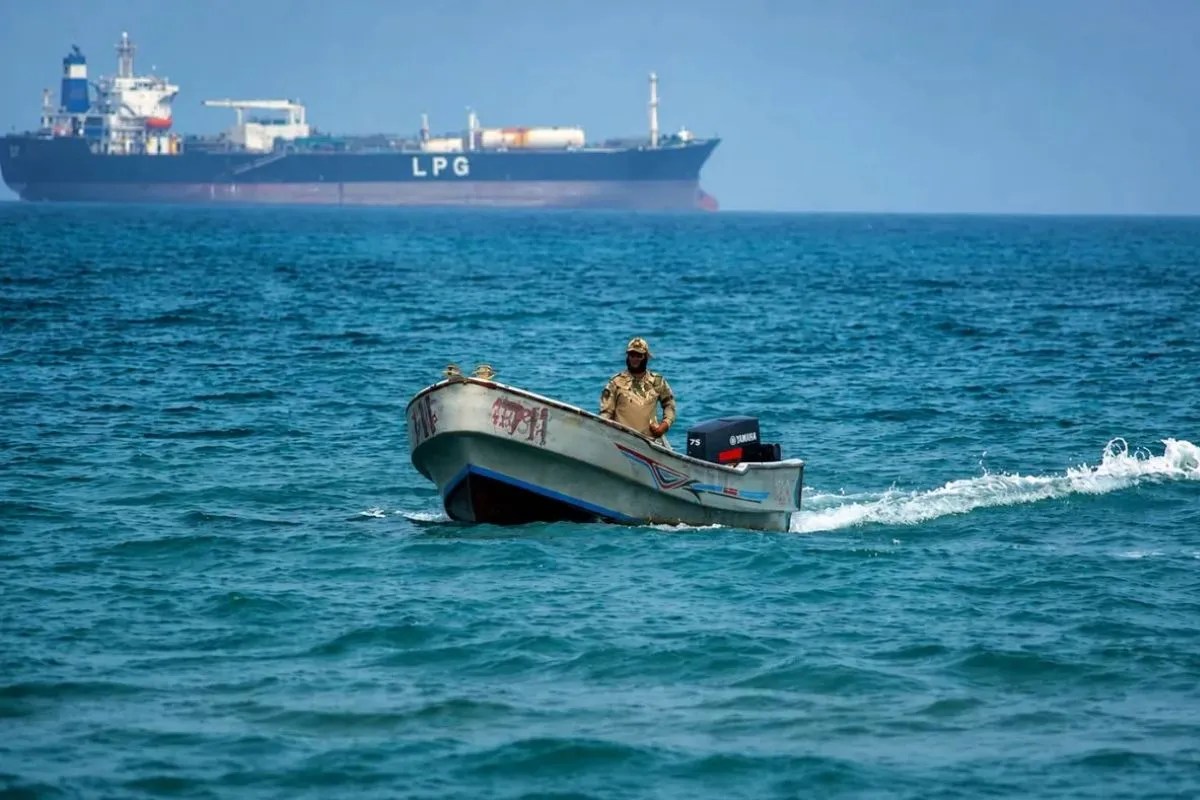
Step back from the capitals. Look at the region as a whole. The ripples of this deadlock touch every corner of the Middle East. In Lebanon, in Iraq, in the Gulf states, ordinary people hold their breath whenever rumors of renewed talks surface or fade. Shipping insurers adjust their rates in the Persian Gulf. Oil markets jitter at every ambiguous statement issued by foreign ministries. The global economy is a delicate ecosystem, and this diplomatic paralysis acts as a persistent, low-grade fever running through its veins.
We must confront a difficult truth. Time is not neutral. While diplomats deliberate, weigh optics, and draft carefully worded communiqués, reality on the ground shifts. New technologies emerge. Alliances realign. Enrichment programs inch forward. The window for a sustainable, negotiated settlement does not stay open forever; it narrows with every month of silence, calcifying positions and turning temporary estrangement into permanent hostility.
Yet, human nature stubbornly clings to the possibility of the unexpected turn. History is rarely a straight line of inevitable catastrophe. It is peppered with midnight breakthroughs, sudden shifts in leadership priorities, and moments where leaders realize that the cost of continuing down a dead end outweighs the political risk of turning around.
The tea in the cup grows cold. The father in Tehran turns off his phone screen as the room darkens with the evening shadows. His daughter finishes her problem set, closes her textbook, and looks out the window at the sprawling, restless city below.
Millions of lives hang in the balance of a decision that has not yet been made. Somewhere in a quiet office, a draft statement waits on a desk, its paragraphs debated down to the single syllable. The pen rests beside it, uncapped, waiting for a hand brave enough—or desperate enough—to pick it up.