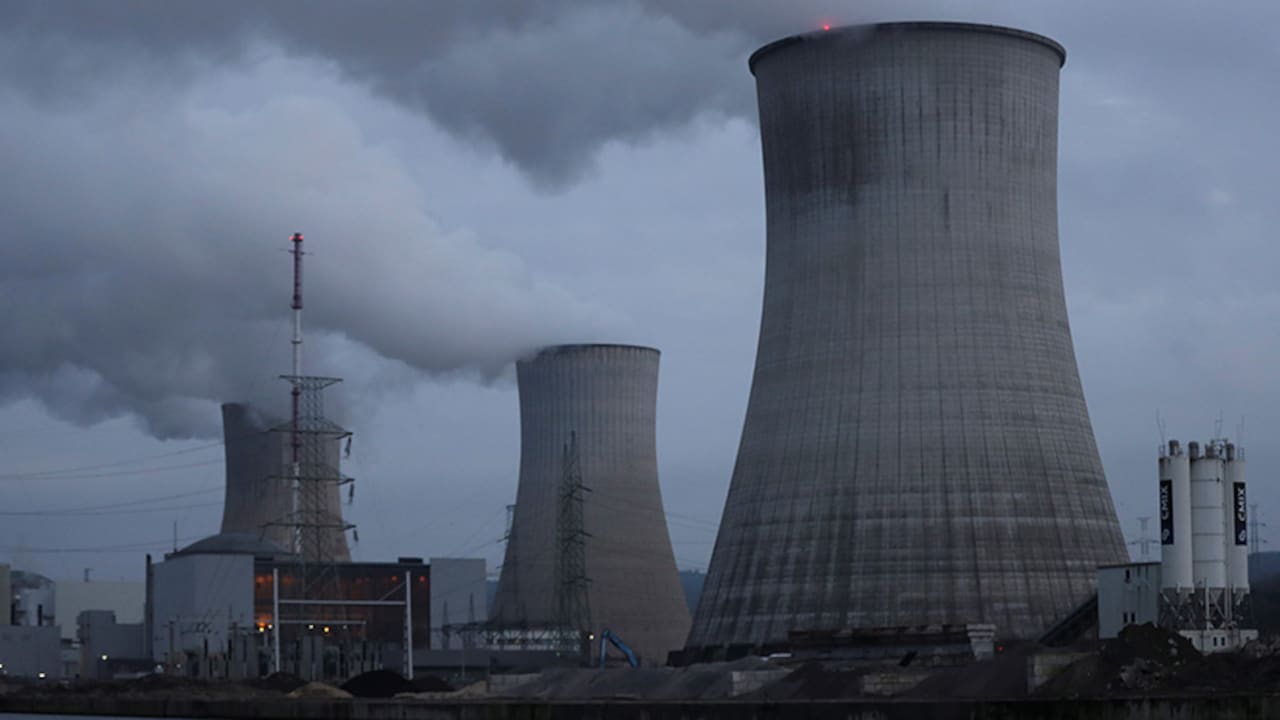
In Lingen, a quiet town in northwestern Germany, the air smells of wet earth and pine needles. The river Ems flows past standard brick houses, sleepy bakeries, and sprawling green fields. It feels entirely disconnected from global geopolitics. Yet, right on the edge of this serene landscape sits a fuel fabrication plant whose machinery echoes across European capital cities.
Money moved. Papers were signed. Approvals drifted through bureaucratic channels with the quiet efficiency of routine paperwork. But inside that facility, a complex knot of sovereignty, dependency, and geopolitical tension tightened. For an alternative perspective, read: this related article.
Germany had declared an end to its domestic nuclear power era. Turn off the reactors. Cut the switches. Move forward. That was the clear public message. Behind the curtain, however, the European grid relies on a delicate web of supply chains that do not obey political press releases. Deep inside eastern Europe, dozens of nuclear reactors still run on a precise Russian-designed technology known as VVER reactors. To keep the lights on in places like the Czech Republic, Slovakia, and Hungary, someone has to manufacture the specific fuel assemblies those plants require.
Enter Framatome, a French nuclear energy giant. To supply those Eastern European plants and break Russia's direct monopoly on finished fuel rods, Framatome sought to build those exact Russian-designed fuel elements locally. Related insight on this matter has been published by NBC News.
Where? In Lingen.
With whose expertise? Rosatom, the state-owned Russian nuclear corporation.
To understand why this sent shockwaves through security circles, you have to look past the technical jargon and understand what raw dependency feels like.
Imagine buying a house with an ultra-modern security system. You hold the keys. You set the code every morning. But every single time the system requires a software update or a replacement battery, only one technician from a hostile firm down the street is allowed to touch the wiring. You do not truly control your home. You are merely renting peace of mind.
That is the exact reality for countries running VVER reactors. For decades, Rosatom built the reactors, supplied the enriched uranium, and shipped the custom-built fuel assemblies. When conflict reshaped European diplomacy, leaders scrambled to cut ties with Russian gas pipelines and oil tankers. But nuclear fuel turned out to be an entirely different beast. You cannot simply swap one fuel rod for another like changing AA batteries in a TV remote. The physics of a reactor core are unforgiving. A deviation of a fraction of a millimeter in fuel geometry can cause catastrophic thermal imbalances.
So, the French proposal seemed like a logical stepping stone: bring the manufacturing to German soil, manufacture the fuel under European safety regulations, and eventually phase out the need to import pre-made fuel rods directly from Moscow.
Then came the catch.
Building these specific fuel assemblies required technical blueprints, specialized machinery, and on-site personnel directly linked to Rosatom. To make French-branded nuclear fuel in Germany, Russian engineers and state-backed technicians would need access to the facility.
Local officials and security analysts raised immediate alarms. How do you safeguard a critical European energy node when workers tied to a foreign state entity are actively operating inside the building?
The dilemma landed square on the desks of German regulatory authorities. Approving the joint venture meant permitting Russian state-linked entities to maintain a footprint inside Germany's industrial heartland—years after Berlin explicitly pledged to sever strategic energy ties with Moscow. Rejecting the permit, however, meant leaving Eastern European nations stranded without a viable supply of nuclear fuel, potentially forcing them to buy finished fuel assemblies directly from Russia anyway.
The bureaucracy chose pragmatism. The approvals went through.
Proponents of the decision argue that this is the only realistic bridge to complete energy independence. In their view, short-term collaboration is the necessary price for long-term security. By mastering the production of VVER fuel on Western soil, Europe eventually gains the ability to run these reactors without asking for external permission.
Opponents see a dangerous precedent. They argue that creating a structural footprint for Rosatom inside a NATO country creates blind spots. Intelligence agencies warn that physical and digital access to critical infrastructure is rarely a one-way street. Sabotage, espionage, and subtle supply-chain manipulation do not always happen with loud explosions; sometimes they happen through subtle shifts in software parameters or delayed shipments of vital components.
Walk down the quiet streets of Lingen today, and you will not see military guards or high-stakes negotiations. You will see suburban life moving at its normal, steady pace. But inside the plant, every fuel rod assembled carries a heavy political burden.
It exposes a uncomfortable truth about modern geopolitics: independence is rarely clean, swift, or absolute. Decoupling from a global supplier is not like flipping a light switch in an empty room. It is a slow, agonizing process of untangling threads that were woven together over half a century of global commerce.
In our rush to draw clear lines between nations, we often forget that the infrastructure powering our daily lives was built in an era that assumed cooperation would last forever. Undoing those links requires difficult compromises that satisfy no one completely. Europe wanted a total break, but the physical reality of its energy grid demanded a pause.
The assemblies manufactured in Lingen will soon sit deep within active reactor cores across the continent, quietly generating electricity for millions of homes. The water will heat. The turbines will spin. The lights will stay on in distant cities. But the quiet machinery turning inside those plants will serve as a constant reminder of a complex trade-off: to secure the energy of tomorrow, a continent had to sign a treaty with the risks of today.