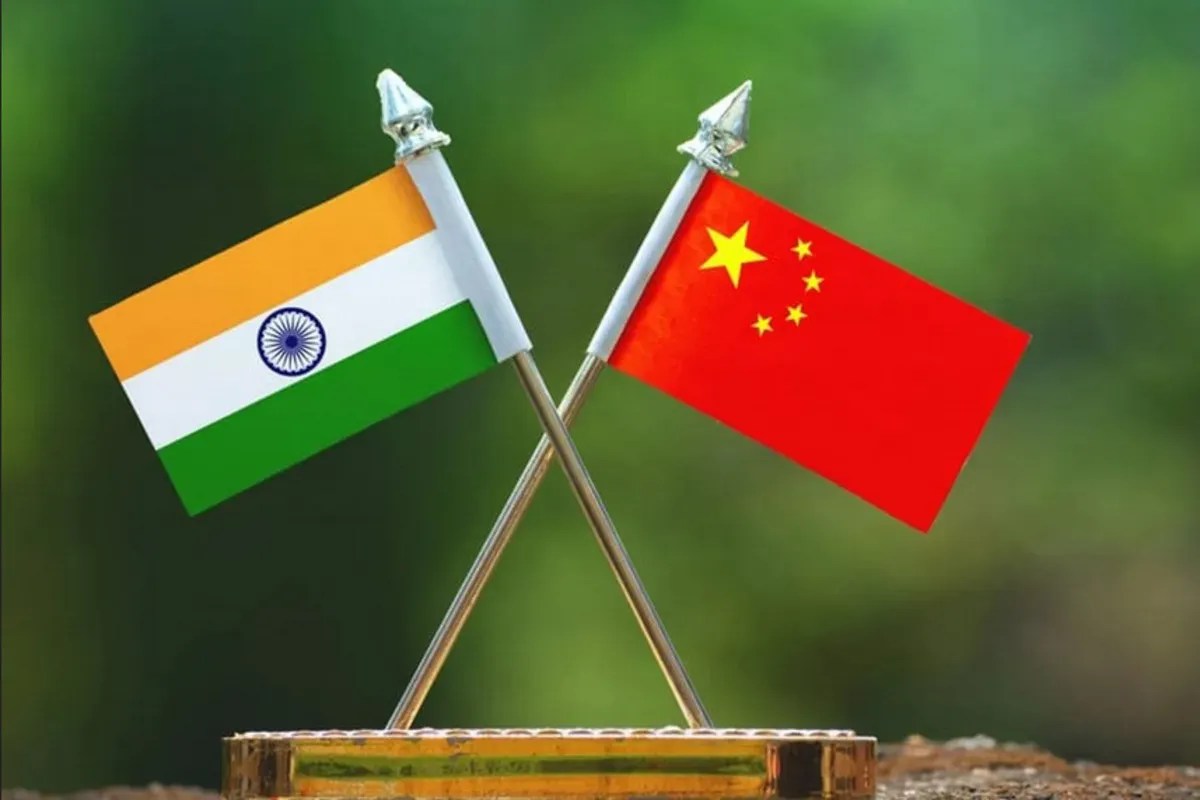
The wind at fourteen thousand feet does not care about treaties. It strips the skin from exposed cheekbones, howls through jagged mountain passes, and freezes diesel fuel in its tracks. Up here, in the thin, brittle air of the Himalayas, the boundary between two nuclear-armed giants is not a neat line drawn on a map. It is a jagged scar of ice, rock, and constant tension.
Stand at the edge of a forward post for just ten minutes. Your lungs burn. Your fingers go numb inside heavy gloves. Across the valley, through high-powered binoculars, you can see the shadow of another post flying a different flag. They are shivering too. They are drinking the same bitter tea from the same metal flasks, staring back across the same impossible abyss.
History hangs heavy in this cold.
We forget sometimes that geopolitics is fundamentally a human enterprise. We talk about corps commanders, diplomatic channels, bilateral communiqués, and disengagement protocols as if they are abstract chess moves played on a velvet board in New Delhi or Beijing. They are not. They are frantic cables sent through encrypted lines at midnight. They are aging generals sitting across green-baize tables, drinking cup after cup of green tea, searching each other's eyes for a flicker of genuine intent.
Right now, beneath the heavy winter snows, something quiet is happening.
India and China are still talking.
To the cynic, these endless rounds of military and diplomatic talks are mere theater. A stalling tactic. A diplomatic dance where nobody steps on anyone's toes while both sides quietly reinforce their bunkers. Look closer, however, and a different truth emerges. Every single meeting between military commanders is a choice. It is a choice to keep the communication wires live. It is a deliberate refusal to let the silence of the mountains fill with the deafening roar of artillery.
Consider what happens when diplomats stop talking. The margin for error vanishes. A minor patrol miscalculation, a GPS glitch in a blinding whiteout, a misunderstanding of a seasonal patrolling limit—any of these can cascade into a tragedy that millions of people will inherit.
Talks are heavy. They are tedious. They are frustratingly slow. Yet they are infinitely better than the alternative.
Think back to the summer of 2020. The Galwan Valley taught both nations a brutal, unvarnished lesson written in blood and shock. It proved that the old assumptions no longer held. It demonstrated that a localized flare-up could instantly freeze decades of economic interdependence and diplomatic engagement. The cost of miscalculation became terrifyingly clear to leaders on both sides.
Since that dark summer, the diplomatic machinery has ground forward with agonizing deliberation. The recent agreements to continue seeking a political and diplomatic resolution are not signs of sudden friendship. No one is singing songs of brotherhood across the Line of Actual Control. This is something much stronger, much more pragmatic: mutual exhaustion and mutual survival.
Both nations look at their domestic horizons and see the same stark imperative. India needs stability to lift millions more out of poverty, to build infrastructure, to power its unstoppable demographic engine. China needs stability to navigate complex economic transitions, manage internal pressures, and sustain its global ambitions. A prolonged, high-intensity mountain war is a luxury neither economy can afford.
So the generals meet again. And again.
Imagine a hypothetical command tent pitched in the freezing dusk of Ladakh. Inside, electric heaters hum softly, fighting a losing battle against the sub-zero draft. Two delegations sit opposite each other. Maps are spread wide, marked with colored pins representing grazing grounds, traditional patrol limits, and flashpoints that have haunted generations.
An Indian officer points to a ridge. A Chinese counterpart leans in, squinting through reading glasses. They argue over coordinates that mean nothing to the rest of the world, yet mean everything to the sovereignty of a billion souls. They share a translator. They drink lukewarm water. They bargain inch by rocky inch, not because they love each other, but because they recognize a shared cage.
This is what modern deterrence looks like. It is not just about missiles rusting in silos or stealth jets slicing through clouds. It is about endurance. It is about the stubborn refusal to slam the door on diplomacy, even when the room is suffocatingly tense.
The path forward is littered with landmines of domestic political posturing. In both countries, nationalist voices bay for blood at the slightest sign of compromise. Headlines scream betrayal whenever a buffer zone is established or a patrol is temporarily paused. Leaders must walk a tightrope between projecting strength and practicing statecraft.
To govern is to choose restraint when every instinct screams for retaliation.
When official statements emerge from these high-level dialogues, they are often dismissed as diplomatic boilerplate. They speak of maintaining peace, upholding existing agreements, and finding mutual accommodations through patient consultation. Critics mock the repetitive phrasing.
Yet every time those words are published, they serve as an anchor. They lock both governments into a framework of accountability. They tell the world, and more importantly, they tell their own restive military commands, that the political channel remains open for business.
We must accept a fundamental paradox. The border dispute will not be solved tomorrow. The historical baggage is too deep, the strategic mistrust too profound, the physical demarcation too complex. Entire mountain ranges cannot be wished away by a single stroke of a pen.
Resolution, if it comes, will not arrive like a sudden dawn. It will creep in like the slow melting of a glacier, drop by agonizing drop.
For now, the greatest victory is the absence of war. It is the soldier coming home at the end of his tenure to hold his children. It is the merchant in Mumbai and the factory worker in Shenzhen going about their lives without the terrifying shadow of an escalating border conflagration darkening their horizons.
The wind will keep howling across those high, lonely ridges tonight. The sentries will stamp their boots against the ice to keep the blood flowing. But somewhere down below, in a brightly lit room wrapped in secrecy and caffeine, a pen is hovering over paper, refusing to give up on the hard, grinding work of peace.


