The hum begins at dusk. It starts as a low, mechanical vibration—thousands of diesel generators coughing to life across a city of eleven million people. For years, this was the sound of survival in Pakistan. It was the sound of a grid that couldn't keep its promises and a national treasury bleeding out to pay for oil it couldn't afford.
But look up. Learn more on a connected subject: this related article.
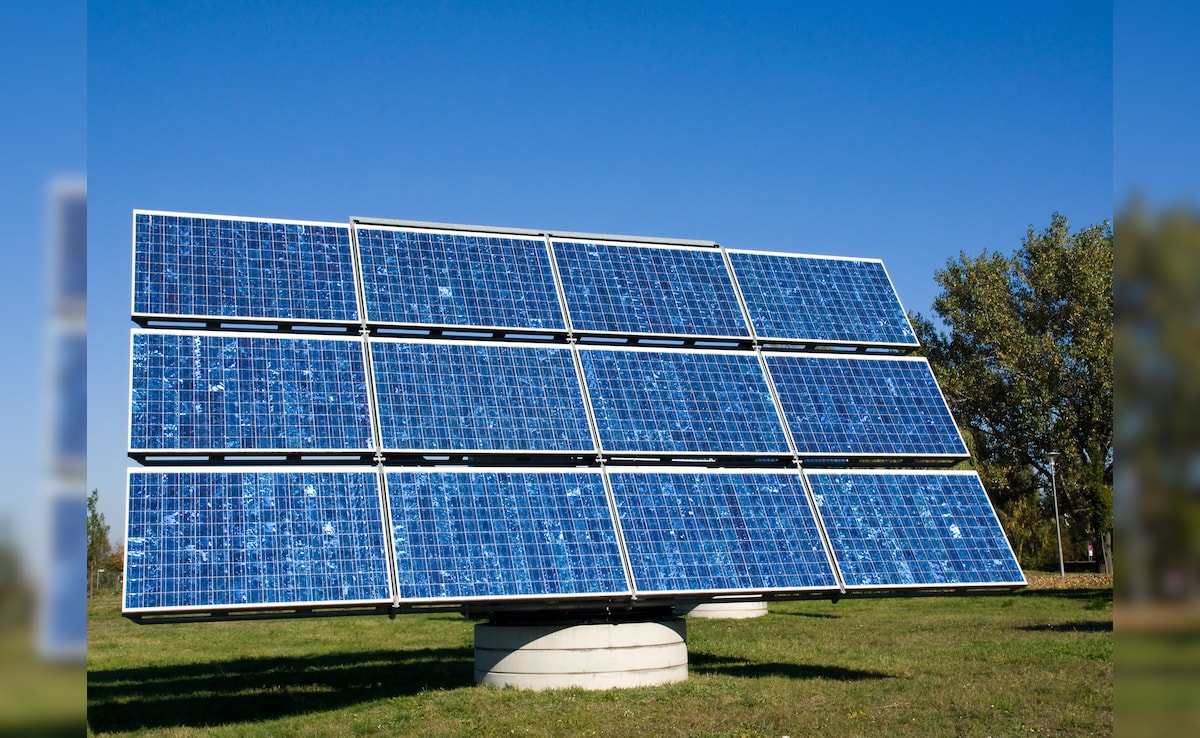
Something has changed on the skylines of Lahore, Karachi, and Islamabad. The dusty, flat rooftops that once held only laundry lines and water tanks are now armored in glass and silicon. They are catching the sun. This isn't a government-mandated "green initiative" or a polished corporate CSR project. It is a grassroots rebellion born of absolute necessity.
The Bill That Broke the Back
Consider a small shop owner named Ahmed. He isn't a climate activist. He’s a man who watches the numbers on a digital screen with the intensity of a gambler. Two years ago, the global energy market shivered. When the Gulf states hiked prices and supply chains buckled under geopolitical weight, the shockwaves didn't just hit the stock exchange in Karachi. They hit Ahmed’s cooling unit. More analysis by The Washington Post highlights comparable perspectives on the subject.
Pakistan has historically relied on expensive, imported fossil fuels to keep its lights on. When the price of Liquefied Natural Gas (LNG) skyrocketed, the state had two choices: sink deeper into debt or pass the agony to the people. They did both. Electricity bills doubled, then tripled. For a middle-class family, the monthly power bill began to rival the cost of their rent.
The math became a noose. If you paid for the lights, you couldn't pay for the school fees. If you kept the fridge running, you skipped the meat at dinner. This is the "Gulf Energy Shock" in human terms. It isn't a headline about trade deficits; it’s the sound of a father explaining to his children why the air conditioner must stay off during a 45°C heatwave.
The Great Silicon Migration
Desperation is a powerful engine for innovation. While the central government struggled to secure its next IMF bailout or negotiate better terms with fuel suppliers, the private citizens of Pakistan took matters into their own hands. They stopped waiting for the grid to be fixed. They decided to bypass it.
Between 2023 and 2024, solar panel imports into Pakistan didn't just grow. They exploded.
China, the world’s powerhouse of solar manufacturing, found an insatiable market. Massive quantities of PV modules began flowing through the port of Karachi. The scale is staggering: Pakistan became one of the largest importers of Chinese solar technology in the world, often outstripping much wealthier European nations.
But these panels weren't going to massive utility-scale farms in the desert. They were being bolted onto the roofs of textile mills, pharmacies, and bungalows. This was a decentralized revolution. Every panel installed was a tiny declaration of independence from the volatility of the Middle East.
Think of it as a massive, unplanned battery being built across the country. By generating their own power during the day, businesses found they could survive. A factory that once shut down during "load shedding"—the local term for scheduled blackouts—now stayed humming under the relentless Pakistani sun.
The Invisible Stakes of Net Metering
The real magic, however, isn't just in the generation. It’s in the flow. Pakistan adopted a policy known as net metering, which allows homeowners to sell their excess solar power back to the national grid.
Suddenly, the relationship between the citizen and the state inverted. Instead of a victim of high prices, the homeowner became a micro-utility. On a blazing Tuesday afternoon, when the sun is at its zenith and the house is empty, that roof is earning money. It is pumping "green" electrons into a system that desperately needs them, helping to offset the expensive oil-burning plants that the government usually relies on.
Yet, this shift created a new, silent tension. The national power companies, built on a model of selling expensive electricity to captive customers, watched their best clients vanish. When the wealthy and the industrial sectors move to solar, the "fixed costs" of the old, crumbling grid fall on those who can't afford panels—the poorest of the poor.
It is a bittersweet victory. The solar push is tempering the energy shock for the nation's economy by reducing the need for imported oil, but it is also exposing the deep fractures in how a developing nation manages its infrastructure. The government is caught in a pincer movement: they need solar to save the foreign exchange reserves, but they fear the "death spiral" of the traditional utility companies.
The Thermal Logic
Pakistan’s geography makes this transition feel less like a choice and more like destiny. The country sits in a "sun belt." While the North Atlantic world debates the efficiency of solar during gray winters, Pakistan enjoys a solar irradiance that is almost violent in its intensity.
To not use this energy is to leave gold on the ground.
When you walk through a middle-class neighborhood today, the aesthetic has changed. The blue-black sheen of the panels reflects the sky, creating a mosaic of modern survival. These panels are cooling the buildings they cover by providing shade, even before they produce a single watt of power. It’s a double victory against the heat.
The economic ripple effect is just as tangible. A new class of workers has emerged. You see them on rickety ladders with drills and spirit levels—the solar installers. Most of them learned the trade on the fly, transitioning from basic electrical work to the precision of inverter calibration. They are the frontline soldiers of this energy war.
Beyond the Horizon
The Gulf states are noticing. Saudi Arabia and the UAE, long the primary providers of the oil that kept Pakistan's old turbines spinning, are themselves pivoting toward renewables. They recognize that the era of burning liquid gold to produce basic electricity is ending.
Pakistan's "solar push" is a preview of the future for the entire Global South. It is a story of what happens when the cost of technology drops just low enough to meet a level of human desperation that is high enough. It proves that you don't need a perfectly functioning government to change an energy landscape. You just need a population that is tired of the dark.
The shock from the Gulf was a fever. It was painful, and it nearly broke the system. But the response—this frantic, silver-clad movement across millions of rooftops—is the immune system kicking in.
Late at night, in the suburbs of Punjab, the silence is different now. In the houses with the glass-armored roofs, the generators stay quiet. The batteries, charged by the day's sun, hold the line. There is a sense of quiet triumph in that silence. It is the sound of a country learning to breathe again, not through a pipe from across the sea, but from the sky directly above it.
The sun sets, but for the first time in a generation, the lights stay on without an apology.