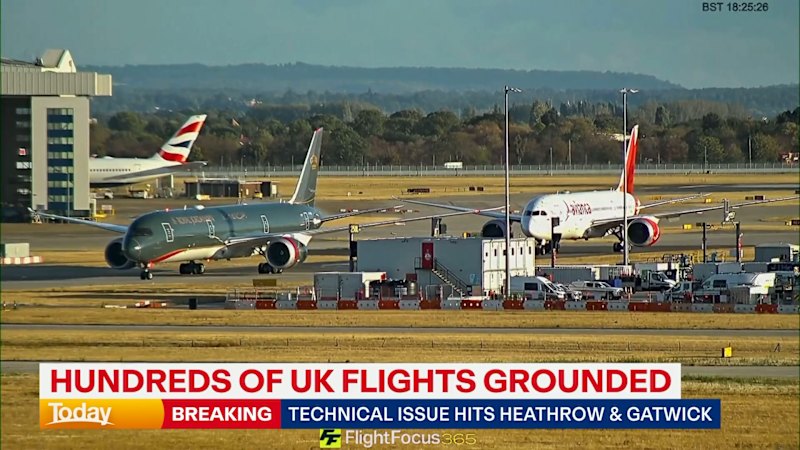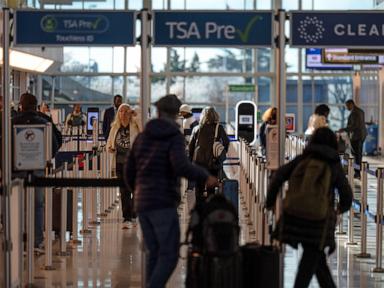
The coffee in Terminal 5 was lukewarm, tasting faintly of cardboard and burnt ambition. It was twenty past noon when the departure board flickered. Not with the crisp, mechanical click of changing destinations, but with a collective, sickening shudder. Dozens of rows of glowing orange text blinked simultaneously, dissolved into a chaotic lattice of error codes, and then—profoundly, terrifyingly—went blank.
Across the United Kingdom, from the cavernous halls of Heathrow to the windswept tarmac of Edinburgh, millions of eyes snapped upward. If you found value in this post, you should look at: this related article.
In that single, quiet fraction of a second, an entire nation’s choreography froze.
Air travel is modern magic rendered so mundane we forget it is a miracle. We board thin tubes of aluminum, trust strangers with our lives, and hurtle through the stratosphere at six hundred miles an hour, separated from the void by inches of composite fiber. We take this choreography for granted because behind the curtain sits an invisible nervous system. It is a dense, humming web of computers, radar screens, and human minds sitting in darkened control rooms, holding the invisible threads that keep thousands of metal birds from colliding in the clouds. For another look on this development, refer to the latest update from AFAR.
On that fateful afternoon, the threads snapped.
National Air Traffic Services experienced a technical failure so total and unforgiving it felt biblical. To understand the chaos, you do not need a degree in aviation engineering. Consider a crowded ballroom where every dancer moves in absolute, synchronized darkness. Suddenly, the master conductor loses their voice, the sheet music turns to ash, and everyone is told to keep spinning while blindfolded.
The core issue was deceptively simple: a data processing system choked on an itinerary format it could not parse. A single, rogue flight plan injected into the network caused the automated safety validation system to stumble, panic, and pull the emergency brake. To prevent catastrophic mid-air collisions, the system did the only safe thing it could do. It locked down. It stopped ingesting new flight plans.
Suddenly, the sky was no longer a highway. It was a locked room.
Imagine standing in the control tower at Swanwick, staring at radar screens where blinking green blips represent hundreds of human lives packed into ascending and descending cabins. The radios crackle. Pilots ask for vectors that no longer exist. Supervisors make agonizing split-second decisions. The computer screen is frozen, refusing to update. Every minute feels like an hour. Every second stretches like wire pulled to its breaking point.
Down below, the human cost rippled outward in concentric circles of frustration and heartbreak.
Consider a hypothetical traveler named Arthur, seventy-two years old, clutching a worn leather passport in a queue that stretched past three different baggage carousels. He was flying home to Belfast to see his daughter before a major surgery. When the board went blank, Arthur didn't curse or yell at the gate agent. He just sat down on his small rolling suitcase, pulled out a handkerchief, and stared at his orthopedic shoes. He was one of hundreds of thousands caught in the undertow.
Flights were grounded. Hundreds of departures vanished. Inbound planes were left circling endlessly over the English Channel, burning precious fuel, their pilots nursing dropping gauges while pleading for landing clearances that ground control could not grant because the slots had evaporated. Planes destined for British soil were diverted to Dublin, Paris, Amsterdam, spilling exhausted passengers onto foreign tarmacs with no bags, no local currency, and no way home.
The media called it a glitch. A technical hiccup. A software anomaly.
Those words are too clean. They sanitize the reality. A glitch does not strand a bride on the morning of her destination wedding. A glitch does not force a cancer patient to miss a life-saving transplant evaluation because their connecting flight was canceled out from under them. A glitch does not leave families sleeping on linoleum floors, using backpacks as pillows while toddlers cry from exhaustion under the harsh glare of fluorescent emergency lights.
Technology fails us precisely because we trust it to be infallible. We have built a world of such breathtaking complexity that when one small wire frays, the whole cathedral wobbles.
As the hours dragged on, the human response began to peel back the polished veneer of modern impatience. In Terminal 3, a group of stranded musicians pulled out a guitar and an accordion, turning a miserable baggage claim delay into an impromptu street concert. Strangers shared stale airport sandwiches, traded phone chargers, and swapped stories of missed graduations and deferred homecomings. When the system finally rebooted—hours later, after exhausted engineers executed a hard manual reset of the primary servers—the applause that rippled through the departure lounge was not for the technology.
It was for each other.
The screens flickered back to life. The orange text returned. The metal birds resumed their frantic, beautiful dance across the troposphere. But the illusion had cracked. We looked up at the sky and remembered that beneath every green blip on a radar screen, beneath every barcode on a boarding pass, there is a beating heart, a fragile body, and a story waiting to unfold.
The planes are flying again. The radar is green. Yet every time you hear the distant roar of a jet engine slicing through the clouds, it is worth pausing for just a heartbeat to remember how desperately fragile the silence really is.