The sea air in Tripoli smells of diesel
The Ghost Of Tripoli Stamped In Pink Pills
news
category If you found value in this piece, you should look at: this related article.
The sea air in Tripoli carries a distinct weight. It smells of salt, roasting lamb, and the low-grade panic of a city that has spent a decade learning how to survive its own debris. On a routine Tuesday, down at the port where crates of subsidized flour and cheap Chinese electronics usually clear customs, customs inspectors pulled aside a nondescript shipping container.
Inside lay the cargo. For another look on this story, check out the recent coverage from BBC News.
Tens of thousands of pink pills. Smooth, round, chemically dense. They looked like mass-market candy from a distance, the kind of cheap confectionery sold in dusty kiosks to children with sticky fingers. But when the inspectors held them to the harsh warehouse light, the reality of the stamping pressed into the surface came into focus.
It was a face.
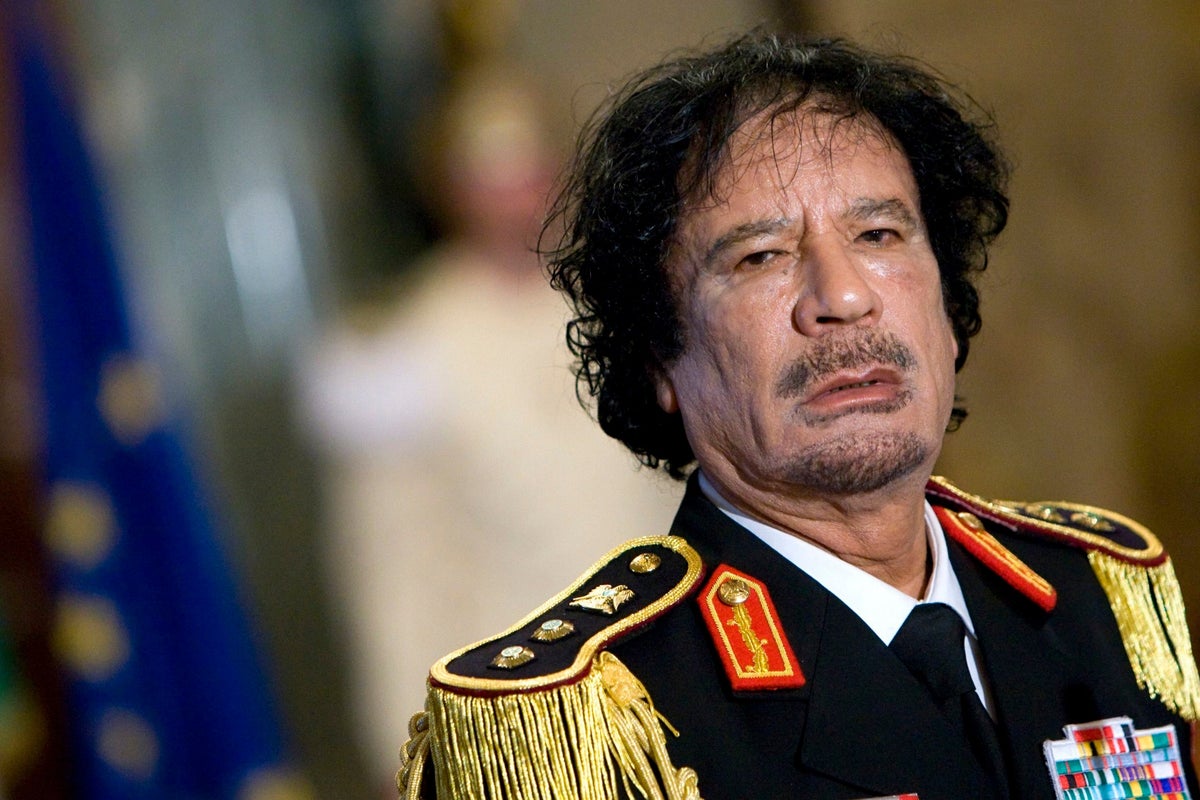
It was the unmistakable, scowling visage of Muammar Gaddafi, wearing his trademark military cap, frozen in a tiny, high-speed tablet press.
He has been dead for years, dragged from a drainage pipe and killed in the dust of Sirte, his body displayed in a Misrata cold store like a gruesome trophy. Yet here he was again, resurrected not in political rallies or militant manifestos, but in a subterranean pharmaceutical lab, pressed into the active ingredients of Captagon and ecstasy, ready to be swallowed by a generation too young to remember the green flags or the long lines for bread.
History does not simply vanish. Sometimes, it gets synthesized.
The Chemistry of a Ghost
To understand why a dead dictator’s face ends up on party drugs, you have to understand the modern North African underground economy. It is a machine fueled by desperation, fractured borders, and a staggering amount of idle capital. When a state collapses, the plumbing of its institutions does not just leak; it shatters entirely. The coast guard becomes a militia. The border patrol becomes a smuggling syndicate. The pharmaceutical import license becomes a cover for precursor chemical trafficking.
Captagon—technically fenethylline, though street versions are often a crude, dangerous cocktail of amphetamines and caffeine—is the fuel of choice across the broader Middle East. It keeps fighters awake for days. It numbs fear. It creates a synthetic, metallic invulnerability. But as the conflict lines in Libya shifted from total war to a cold, armed stalemate, the market diversified. The pills stopped going exclusively to men in pickup trucks charging across the desert. They started moving toward the coast, toward the urban lounges, the underground clubs, and the bored youth of Tripoli, Benghazi, and Misrata who use them simply to numb the exhaustion of living in a perpetual state of tomorrow-never-comes.
And branding matters in the black market.
Just like designer sneakers or luxury watches, illicit narcotics require logos. Cartels stamp brands into cocaine blocks; synthetic chemists stamp pop culture icons, luxury car logos, or political figures into pills.
Gaddafi’s face on an ecstasy tablet is not a political statement. It is marketing. It is dark, cynical irony deployed by traffickers who know that the old man's shadow still hangs over every transaction in the country. It is a brand recognition strategy built on infamy.
Consider what that means for a twenty-two-year-old sitting in a seaside café in Tripoli, scrolling through a phone with a weak 4G signal, listening to generators hum against the backdrop of another rolling blackout. They slide a coin across a sticky table to buy a pill. They look down, and for a fraction of a second, they are staring into the eyes of the man who ruled their parents' lives with an iron, eccentric fist for forty-two years.
Then the music drops. The chemical surge hits. The face dissolves in the stomach acid.
The Anatomy of an Unraveling State
The seizure of tens of thousands of Gaddafi-stamped pills is impressive for the local security forces, but it is also a drop in a vast, toxic ocean. Security analysts who track transnational crime syndicates point out a grim mathematical reality: for every container caught at the docks, nine more slip through the porous desert borders shared with Chad, Niger, and Sudan.
Libya has become a giant transit hub. It is a turnstile where weapons, migrants, and chemical precursors change hands under the gaze of competing authorities who control different blocks of the same city. The government in Tripoli issues press releases about the raid, flashing the seized bags of pink pills before television cameras as proof that the state still functions, that law and order still have a pulse.
Yet, the very existence of the factory that produced them tells the opposite story.
To press tens of thousands of pills requires heavy industrial machinery. It requires professional-grade binders, industrial pill-press molds, and steady access to chemical precursors usually imported under false pretenses from Europe or Asia. You cannot set up a pill press in a mud hut. You need a warehouse with stable electricity—or a private generator—and a network of corrupt officials willing to look the other way when the shipping manifests are signed.
The ghost of Gaddafi is manufactured with high-tech efficiency.
When the inspectors dumped the contents of those bags onto a metal table for the press cameras, the sheer volume of the pink powder created a cloud that hung in the humid warehouse air. It looked like crushed chalk. It looked harmless. But each one of those little pink circles represents a tiny, calcified piece of the region's ongoing trauma.
The Cost of Looking Away
We like to think of history as a linear highway. We believe that when a regime falls, the road is cleared, the pavement is replaced, and the journey toward a brighter future begins. But real history is more like a swamp. Events sink into the muck, decompose, and eventually leach back into the water supply.
The young men running the speedboats across the Mediterranean with drugs and migrants are too young to remember the era when Gaddafi’s portrait hung in every classroom, government office, and bakery. To them, he is a meme, a historical villain, or an aesthetic of iron-fisted authority to be ironized on a party pill.
But the machinery that keeps them trapped in this cycle of informal economies and smuggling routes is the direct descendant of the state he built—a state designed to concentrate all power and wealth in the hands of a few, leaving nothing behind for the rest except survival instincts.
When the authorities seal the warehouse door and lock the padlocks on the seized contraband, the silence returns to the Tripoli port. The waves lap against the concrete pier. Somewhere nearby, a smuggler is already on an encrypted messaging app, calculating the financial loss of the shipment, adjusting the shipping routes, and planning the next run.
The presses will start up again in another warehouse, hidden deeper in the desert or tucked away in an industrial suburb where the police do not dare to tread without backup. They will load the hoppers with powder, drop the steel die into place, and bring the handle down.
And the old man’s face will appear again, rising out of the pink dust, small and sharp and permanent, watching over a market that refuses to let him go.