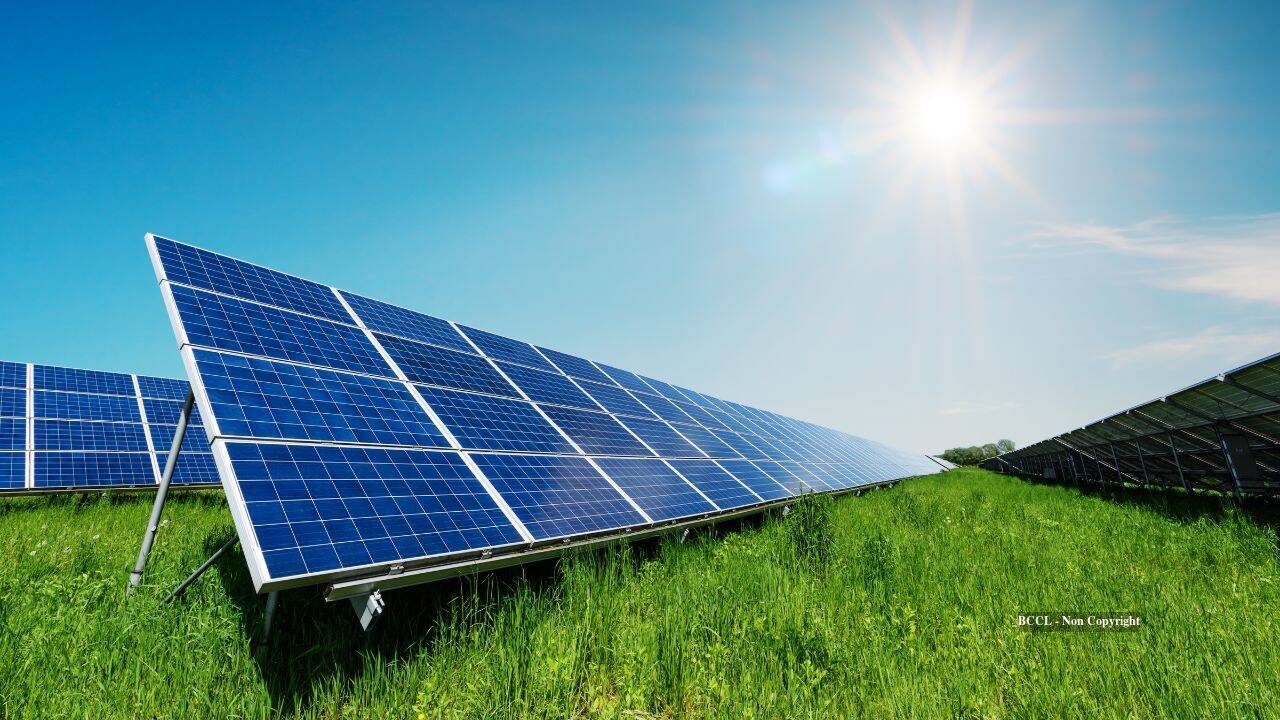
Leasing California farmland for solar can bring in roughly ten times more per acre than dry-farmed wheat, turning sun-baked acres into steady checks while traditional grain barely breaks even.
When you look at a family farm in Tulare County, California, where dry-farmed wheat historically earned around $100 per acre a year against a $1,000-per-acre solar lease, the math hits like a cold splash of water. Wheat depends on rain, timing, seed, fertilizer, and a forgiving harvest. A solar lease pays a predictable annual rate without asking you to gamble on spring weather or grain prices.
That gap is why so many growers in California's San Joaquin Valley are taking a hard look at solar leases. Not because they suddenly hate agriculture. Often it's the exact opposite. When water gets tighter and input costs climb, predictable cash on part of the farm can help keep the rest of the operation alive.
Why Solar Leases Beat Growing Wheat Across California
Dry-farmed wheat is a thin-margin crop in a dry state. You plant, hope enough rain falls at the right stages, pay for equipment and inputs, and pray commodity prices don't tank before sale. Even in a decent year, net returns on dryland grain can look puny next to what utility-scale solar developers pay to lock up land for decades.
Solar developers aren't looking for a single season. They want long-term site control—often 25 to 35 years or more with extension options—near transmission lines and substations where electricity can move onto the grid. Because developers can sell power under long-term agreements and spread capital costs over decades, they can offer landowners steady per-acre rent. In many markets, solar lease rates commonly land around $1,000 per acre or higher, sometimes with annual escalators.
Honestly, that contrast feels jarring if you grew up thinking real farming only means dirt under your fingernails and grain in the bin. Yet look at what happens on the ground: one acre of dryland wheat might bring in around $100 per acre, while a solar lease on the same kind of ground can pay roughly ten times as much with zero seed or harvest risk.
What Changes When Water Gets Scarce
California agriculture runs on water, and groundwater rules under the Sustainable Groundwater Management Act have forced growers to confront pumping limits in overdrafted basins. When irrigation becomes scarce or expensive, marginal or water-stressed acres stop making sense as high-maintenance fields.
Pulling solar-leased land out of irrigation reduces water demand on that parcel. Research from Michigan State University examining Central Valley solar and agrisolar dynamics notes that turning off irrigation on solar-converted land conserves substantial water while giving landowners steady income without up-front capital outlays when leasing. That kind of stability matters when a bad drought or a bad market year hits the rest of your acreage.
The Hidden Trade-Offs Nobody Mentions at First
A tenfold jump in per-acre income sounds like a no-brainer until you read the fine print. A solar lease isn't free money; it's a long-term land commitment with real strings attached.
- Decades-long lockup: A 25- to 35-year lease (plus possible extensions) ties up that ground for a generation. If your family wants flexibility to shift crops, pass active farm acreage to kids, or sell to another farmer, a long lease narrows your options.
- Fewer local farm jobs: Solar arrays don't need seasonal harvest crews, tractor drivers, or packing labor the way active crop fields do. Rural towns feel that shift when acres move out of labor-heavy farming.
- Tax and local pushback: Counties and neighbors sometimes worry about lost agricultural land, local tax structures, or how projects affect surrounding rural communities.
- Opportunity cost on prime ground: Not every acre is equal. High-value irrigated ground with reliable water and strong appreciation potential plays by different rules than dry or marginal land.
There's also a practical reality check on how solar happens. Leasing land to a developer is very different from buying panels yourself and selling power back to a utility. California net energy metering rules have cut average export compensation rates sharply for behind-the-meter solar, which changes the math for self-funded farm projects compared to leasing acreage to a commercial developer.
Leasing Land vs. Farming It Yourself
If you're weighing a solar lease against growing wheat or another crop, you're really comparing two very different risk profiles.
Leasing for solar hands off daily operations and capital risk to the developer in exchange for predictable rent over a long horizon. You don't buy panels, manage inverters, or negotiate power contracts. Your main job is protecting your legal and land rights in the agreement.
Farming the land yourself keeps your hands on the asset and preserves short-term agility, whether that's wheat, grazing, or letting ground rest. With dry-farmed wheat, your upside is tied to yields and grain prices, and your downside is drought, pests, or low prices. Some growers compromise by keeping their core irrigated or high-performing acres in crops while leasing less productive or water-constrained parcels for solar.
What About Agrivoltaics Beneath the Panels?
Not every solar project has to look like sterile gravel under glass. Agrivoltaics pairs solar panels with agriculture—such as grazing sheep or growing shade-tolerant crops beneath the arrays.
Shade from panels can cut soil evaporation and ease heat stress on certain plants or pasture grass, while livestock grazing can help manage vegetation and add organic matter. Still, agrivoltaics isn't magic on every site. Panel spacing, height, equipment access, and local economics determine whether grazing or crop production under arrays actually pencils out or just adds complexity.
Smart Steps Before You Sign Any Solar Lease
If a developer approaches you about leasing farmland for solar, slow down before signing anything. Developers move fast once they spot grid capacity, and early paperwork can lock in terms that favor the builder for decades.
- Check grid proximity and zoning first: Developers care deeply about distance to substations and transmission lines, plus local county rules and conditional use permits. A site far from tie-in points or tangled in zoning hurdles can stall for years.
- Separate option periods from construction: Many solar deals start with an option agreement while the developer studies interconnection, permitting, and financing. Make sure option payments, timelines, and extension rights are crystal clear.
- Negotiate escalators and decommissioning: Ask how annual rent escalates over a 25- to 35-year term, and spell out who pays to remove panels, foundations, and cabling—and restore the soil—when the lease ends.
- Bring in farm-savvy legal and tax pros: Have an agricultural attorney and a CPA who understands California farmland, property taxes, and water rules review the draft before you commit. Never treat a standard developer template as final.