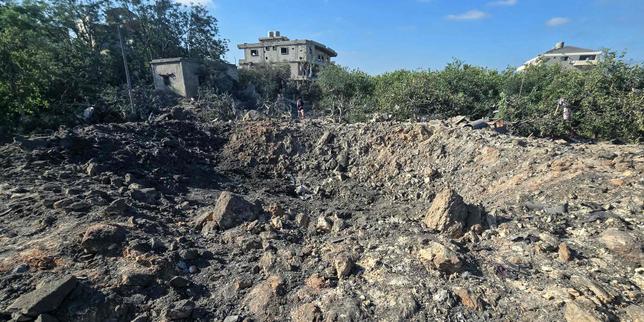
Diplomacy rarely stops a bullet. While Israeli and Lebanese officials sit down in Rome for high-stakes, US-mediated negotiations to solidify a fragile border framework, the ground tells a completely different story. Fighter jets are launching airstrikes, artillery is leveling infrastructure, and soldiers are dying in active combat zones.
If you look at the official press releases, you see a picture of steady diplomatic progress. If you look at southern Lebanon, you see ongoing explosions, evacuation warnings, and a tense stalemate that refuses to break.
Understanding why these parallel tracks keep colliding requires looking past the glossy statements coming out of Italy.
The Real Gap Between Rome and the Border
Negotiators are meeting in Rome for their seventh major round of talks. The objective sounds straightforward on paper. Both governments want to advance a June framework agreement aimed at establishing security zones, pushing back hostile infrastructure, and eventually allowing the Lebanese Armed Forces to take full control of the border region.
Reality is messy. Israel maintains that its ongoing military sweeps, tunnel demolitions, and targeted airstrikes are mandatory responses to persistent ceasefire violations. Beirut views those exact same military operations as blatant violations of national sovereignty.
The friction reached a boiling point when a security sweep in southern Lebanon triggered an explosion that killed two Israeli reservists. Israel responded with immediate airstrikes across multiple districts, including Tebnin and Burj Al-Shamali, which left several wounded and forced civilians into sudden flight.
Why the June Ceasefire is Fracturing
A ceasefire is only as strong as the enforcement mechanism backing it up. Right now, that mechanism is broken.
- The Disarmament Deadlock: The foundational premise of the June arrangement requires Hezbollah to step down and give up its heavy weaponry in the south. Hezbollah rejects these terms entirely.
- The Control Dispute: Israel wants to retain direct oversight to ensure evacuated zones don't get reoccupied by militant cells. Lebanon flatly refuses, arguing that foreign military presence on its soil defeats the purpose of an accord.
- Mediator Misalignment: Washington has floated ideas, but alternative proposals involving European monitors—from France, Spain, or Italy—face sharp geopolitical roadblocks from one side or the other.
This structural stalemate leaves ground commanders with very little room to de-escalate. Every time an isolated skirmish breaks out, political talks in Europe wobble.
What Happens When the Cameras Turn Off
Behind closed doors in Rome, frustration is mounting. Israeli delegates have previously pushed to suspend sessions over media leaks and persistent disagreements regarding the pilot safety zones. Yet, neither side wants to walk away completely. Total diplomatic breakdown guarantees full-scale war, an outcome both capitals want to avoid for now.
Instead, we are stuck in a dangerous gray zone. Low-intensity warfare continues in the hills and villages of southern Lebanon while diplomats debate verification protocols thousands of miles away. Until a concrete agreement settles who actually polices the buffer zones, the explosions will continue to drown out the talking points.