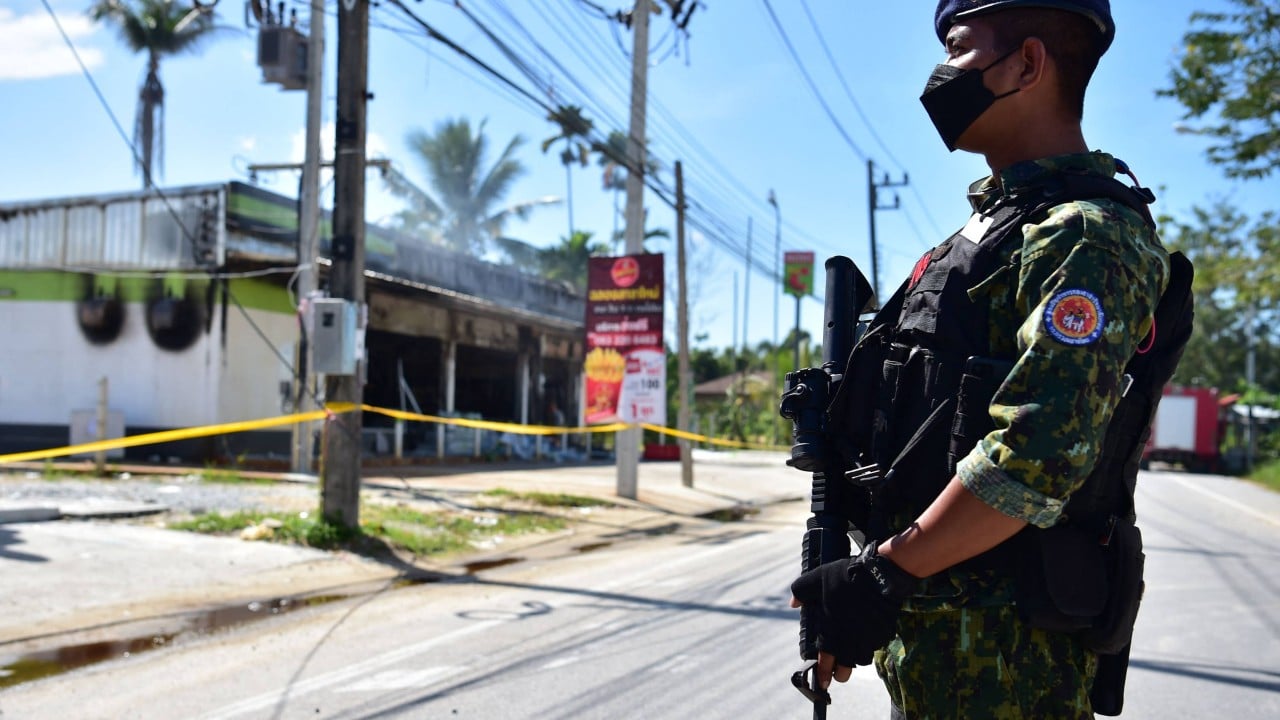
The industry consensus on Thailand’s southern insurgency is a collection of comfortable delusions. You will read the same tired narrative across every major publication: that peace is "resuming," that negotiators are "finding a new path," and that if both sides just sit down in a boardroom in Malaysia, the violence will eventually bleed out into stability.
It is a fairy tale. I have watched state actors and insurgent factions play this game for over a decade. It is not a peace process; it is a tactical theater designed to buy time, maintain budgets, and protect political reputations.
The Myth of Leverage
The establishment media loves to frame the recent uptick in violence as a "setback" or "leverage" used by insurgents. This is an amateurish misread of the conflict. When a militant cell hits a checkpoint or a petrol station, they aren't trying to gain a seat at the table. They are signaling that the table itself is a facade.
The Thai state clings to the belief that they can "manage" the south by alternating between aggressive security cordons and vague promises of decentralized governance. Meanwhile, the Barisan Revolusi Nasional (BRN) and its splintered affiliates use these intervals to rotate personnel, refine their propaganda, and test the state's resolve.
When the National Security Council declares they won't allow violence to be used as "leverage," they are performing for a domestic audience in Bangkok. They know, as do the insurgents, that the state has no real plan for political concessions because a meaningful concession—true, bottom-up autonomy—would shatter the centralized power structure of the Thai military and bureaucracy.
Why the Status Quo persists
Let us look at the "Peace Dialogue Plan Implementation Framework." It is a masterpiece of bureaucratic obfuscation. Renaming a failed policy does not grant it vitality.
Imagine a scenario where a multinational corporation faces a failing product line. They don't announce a "Product Improvement Implementation Framework" while ignoring that the core architecture is obsolete. They pivot, or they collapse. The Thai state refuses to do either. They treat the insurgency as a technical problem to be solved with better "coordination" or "security footprints," rather than a structural rot born of historical alienation and failed assimilation.
The reality is that no one in power actually wants a swift resolution.
- The Budget Machine: The "security footprint" that experts praise for dropping incident counts is a massive, self-perpetuating funding engine. Peace would necessitate a contraction of military presence and a reduction in the massive, opaque budgets allocated to the "Deep South."
- The Anonymity Trap: Negotiating with the BRN is an exercise in futility because the BRN is not a monolith. It is a loose, cellular network. When you sign a "preliminary framework" with them, you aren't signing a peace treaty; you are signing a memo with a handful of individuals who may not even speak for the fighters in the next province.
The Realignment
You hear talk of "decentralization" and "governance arrangements" as if these are magical solutions floating in the ether. They aren't. They are political poison in Bangkok. Every time a negotiator whispers about allowing local communities to manage their own affairs, the hardliners in the security apparatus react with instinctive, overwhelming pressure.
I have seen companies blow millions on "corporate culture transformations" that were doomed from the start because they refused to fire the toxic middle management holding the whole system back. The Thai peace process is the same. You cannot have peace while the security forces are viewed as an occupying, assimilationist power by the very people you are supposedly "negotiating" for.
What Actually Happens Next
If you are waiting for a breakthrough, you are waiting for a ghost. The conflict will not end because of a signed document. It will persist until the cost of maintaining the status quo finally exceeds the benefits of keeping the region in a state of suspended animation.
That is not a diplomatic outcome; it is a collapse of the current governing model.
Stop looking at the press releases from Kuala Lumpur. Stop obsessing over whether the latest round of talks is "resuming." Look at the regional economic development, the shifting demographics of the local bureaucracy, and the quiet, desperate migration of young people out of the conflict zones. That is where the real history is being written. The negotiators are merely narrating a story that stopped being relevant years ago.
The violence will continue because it is the only language that forces the state to acknowledge the region exists. The state will continue to "negotiate" because it is the only way to pretend they are still in control. Both sides are trapped in a cycle they are perfectly comfortable with. Do not mistake their participation for a desire for peace. They are not looking for an exit; they are looking for a longer leash.


