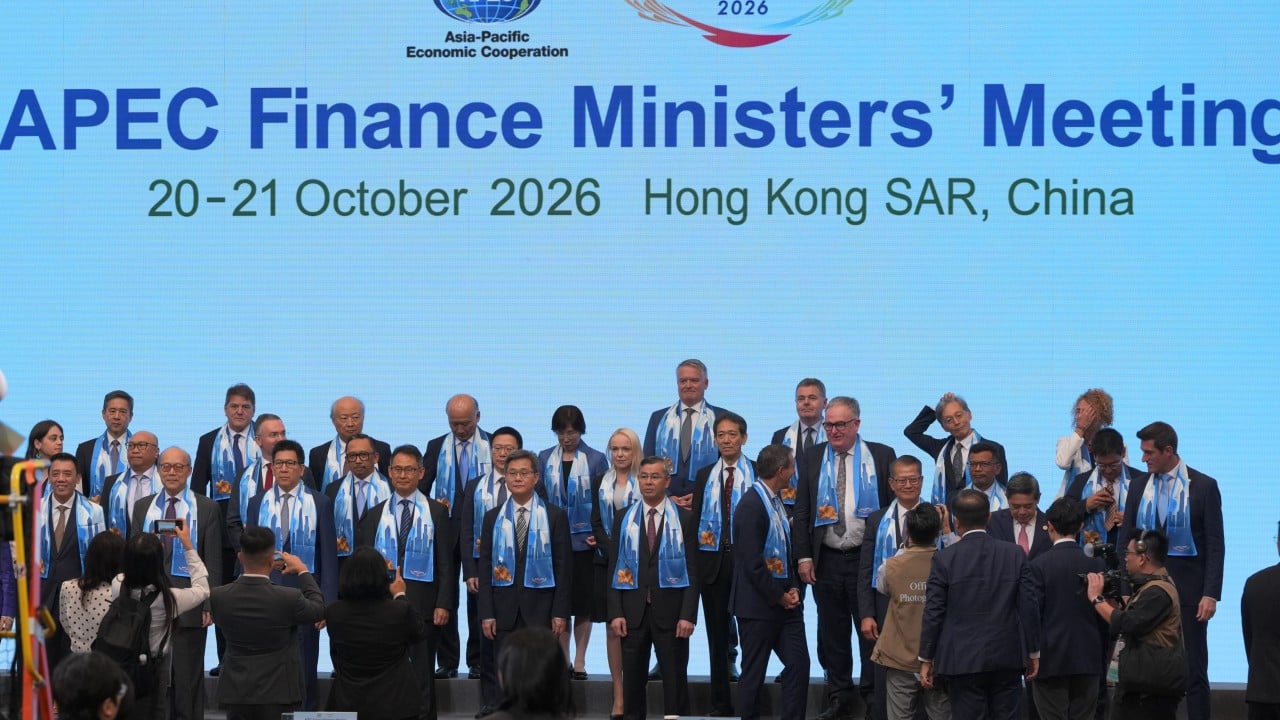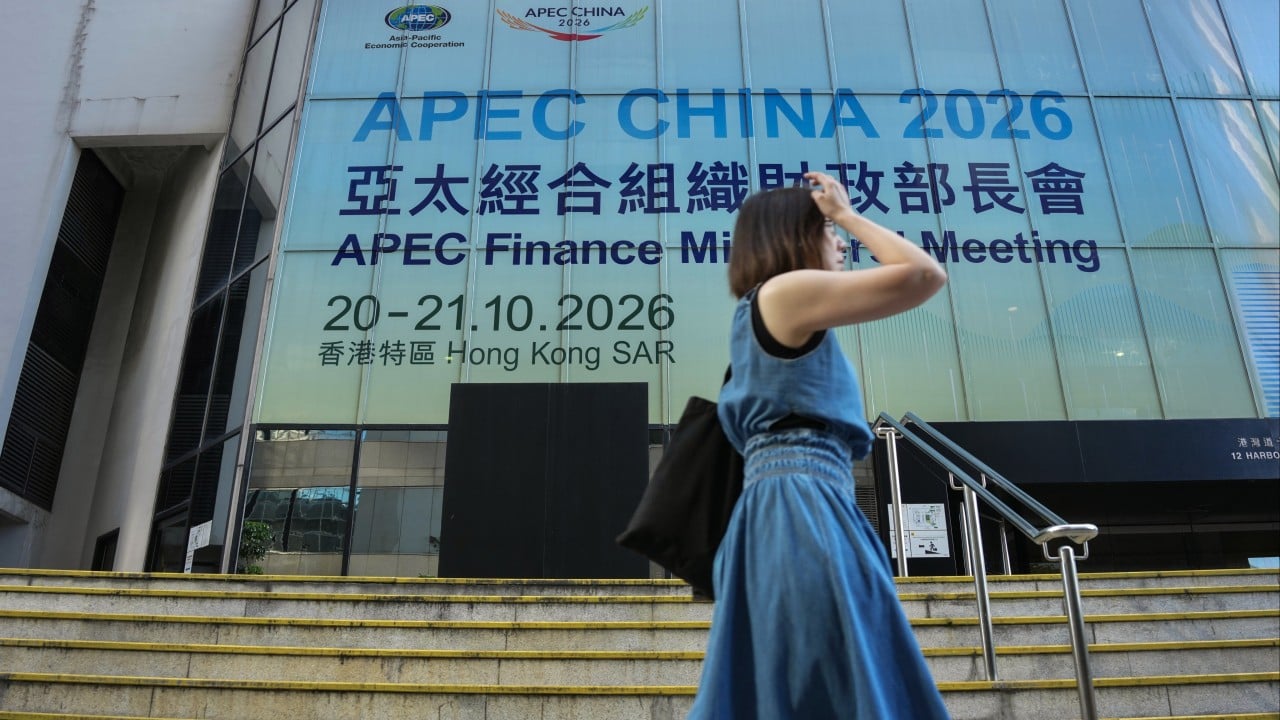
Chasing sovereign issuers for offshore yuan bonds is like bragging about hosting a state dinner in a dining room with no plumbing.
It looks great in press releases. It gives policymakers a neat slide for an investment forum. It lets treasury officials pose for photos next to finance ministers signing memoranda of understanding.
And it misses the entire point of how capital markets actually work.
Whenever a headline announces that Hong Kong is cementing its status as a yuan bond hub by attracting more sovereign borrowers, the lazy consensus kicks in on autopilot. Commentators nod along. More governments issuing renminbi debt means deeper international adoption. More sovereign names mean more credibility. More credibility means Hong Kong wins the offshore yuan crown.
That logic is lazy. It is also backward.
Sovereign issuance in a foreign currency is rarely a sign of deep, organic market liquidity. Often, it is diplomatic theater, bilateral policy coordination, or a funding diversification exercise dressed up as a structural breakthrough. A ministry of finance can print a few billion yuan in a landmark deal, collect the applause, and park the proceeds where they make geopolitical sense. That single transaction does not magically give corporate treasurers, asset managers, or FX desks continuous two-way depth, tight bid-ask spreads, or real hedging capacity when markets get ugly.
I have sat across from corporate treasurers and fixed-income syndicates who got seduced by headline issuance numbers and misread what those numbers meant for execution. I have watched teams build assumptions around "deepening offshore liquidity" only to discover that secondary market depth evaporates the moment risk appetite sours or cross-border clearing frictions bite. When a market relies on trophy deals rather than relentless, two-way institutional flow, size becomes a liability fast.
Sovereign Bonds Do Not Build a Market. Trading Does.
Let's get precise about what a financial hub actually is. A hub is not a trophy cabinet of issuers. A hub is a clearing, pricing, settlement, and risk-transfer engine where buyers and sellers can enter and exit large positions with predictable friction across market regimes.
Issuance is step one. Secondary liquidity, repo financing, derivative hedging, and cross-border collateral mobility are what turn an issuance venue into a genuine financial center.
When analysts point to a sovereign or quasi-sovereign dim sum bond as proof of hub dominance, they confuse primary market appetite with secondary market depth. Primary demand for high-grade or policy-linked paper can be strong for reasons that have very little to do with commercial price discovery. Yield pickups relative to low-yielding benchmarks, bilateral trade ties, reserve diversification mandates, or institutional relationship building all play a role.
None of those motives automatically create a vibrant secondary market where a corporate CFO in Europe or Southeast Asia can smoothly manage yuan exposure every Tuesday afternoon.
In offshore fixed income, liquidity lives in repeat flow. It lives in banks making markets willingly on their own balance sheets. It lives in active interest rate and currency swaps that let investors separate credit risk from FX risk. Without those plumbing layers, a shiny sovereign issue can sit comfortably in buy-and-hold portfolios and barely trade again.
Why People Keep Asking the Wrong Question
Ask almost any market observer how Hong Kong keeps its lead in offshore yuan debt, and the conversation immediately turns to who the next issuer will be. Which sovereign will tap the market next? Which multilateral institution will print a green or sustainability tranche? How big will the deal size be?
That is the wrong question.
The right question is: who is actually holding the risk after day one, and how easily can they transfer it when volatility spikes?
Look at the typical questions that pop up around this topic:
- Does more sovereign issuance mean the yuan is becoming a true global reserve challenger? No. Reserve status depends on openness, convertibility, deep and liquid domestic capital markets, and trust in rule-of-law and capital-account mechanics. A handful of offshore sovereign bonds in Hong Kong does not rewrite global reserve arithmetic.
- Why do sovereigns issue in offshore yuan if they don't need yuan locally? Sometimes they do have trade or infrastructure links. Sometimes they want to signal friendship with Beijing. Sometimes they are testing investor appetite or diversifying away from dollar or euro concentration. Treating every headline deal as pure market-driven demand confuses policy signaling with commercial depth.
- Is Hong Kong competing mainly with other offshore centers for these deals? Partly, yes. London, Singapore, and regional hubs compete for pieces of cross-border activity. Yet the bigger structural tension is never just offshore-versus-offshore. It is always the relationship between onshore liquidity, offshore pricing, and the regulatory channels connecting the two.
Imagine a scenario where a mid-sized sovereign issues a landmark offshore yuan bond in Hong Kong to strong primary demand. The press celebrates another milestone for the city's yuan bond market. Six months later, global rates swing sharply and liquidity tightens across emerging and frontier credit. A real-money fund holding that bond wants to trim duration and hedge currency exposure quickly. Suddenly, wide bid-ask spreads and thin secondary quotes turn a "landmark" allocation into a slow exit. Primary excitement never guarantees secondary exit velocity.
The Real Battleground Is Plumbing, Not Prestige
If you want to understand whether a financial center has real power, stop reading deal tombstones and start looking at market infrastructure.
Real hub power shows up in unglamorous places:
- Repo and funding markets: Can institutions finance positions cleanly using offshore yuan assets as collateral without paying punitive haircuts or scrambling for balance sheet at quarter-end?
- Hedging depth: Can a treasurer or asset manager lock in forward rates and cross-currency basis without getting eaten alive by slippage on medium-sized tickets?
- Cross-border channels: How smoothly does capital move between onshore and offshore pools under stress, rather than just during calm headline weeks?
- Investor diversity: Are buyers coming from a broad base of independent global institutions managing real mandates, or is demand heavily concentrated in a narrow set of relationship and policy-aligned accounts?
Hong Kong has real structural advantages in these areas. Its time zone bridges Asia and Europe. Its legal system and market infrastructure are familiar to international institutions. Its role as a primary offshore renminbi liquidity pool is well established.
Pretending that sovereign bond issuance alone secures that position sells Hong Kong short—and blinds market participants to the harder work required to keep liquidity deep and resilient.
Where My Contrarian Stance Can Trip You Up
Let's be honest about the blind spot in pushing back hard against sovereign issuance narratives.
Dismissing sovereign deals as mere PR can lead you to underestimate their signaling and ecosystem value. A high-profile sovereign or supranational bond can bring new institutional credit teams into the market for the first time. It can prompt banks to set up pricing desks, establish documentation templates, or get internal credit lines approved for offshore yuan instruments. Over time, those small operational steps can widen participation.
Policy-backed milestones also matter politically and institutionally. In cross-border finance, momentum and visibility sometimes help unlock adjacent initiatives—whether that is new connect mechanisms, collateral arrangements, or corporate follow-on issuance.
So the trap on the contrarian side is cynicism for its own sake. Sovereign issuance is not useless. It is simply insufficient on its own to prove deep, self-sustaining market liquidity. Treat it as a spark, not the fire.
What Smart Market Participants Actually Do Instead
If you run capital, advise issuers, or allocate balance sheet in fixed income and FX, stop letting headline bond league tables dictate your view of market depth.
- Price liquidity, not announcements. Before sizing up any offshore bond position, test real secondary quotes, check dealer inventory willingness, and map out how you would hedge FX and rate risk if volatility doubles overnight.
- Follow repeat corporate and financial flow. Watch whether commercial borrowers with genuine funding needs keep returning across rate cycles. Repeat commercial issuance tells you far more about true market health than a one-off sovereign headline.
- Stress-test your exit before you enter. Never confuse strong primary order books with easy secondary liquidity. Size positions to what the secondary market can absorb on a bad day, not a celebratory one.
- Separate geopolitics from market mechanics. A deal can be a geopolitical triumph and a liquidity backwater at the same time. Keep your analytical buckets clean so diplomatic headlines do not cloud risk management.
Sovereign bonds make great headlines; secondary liquidity pays the bills.