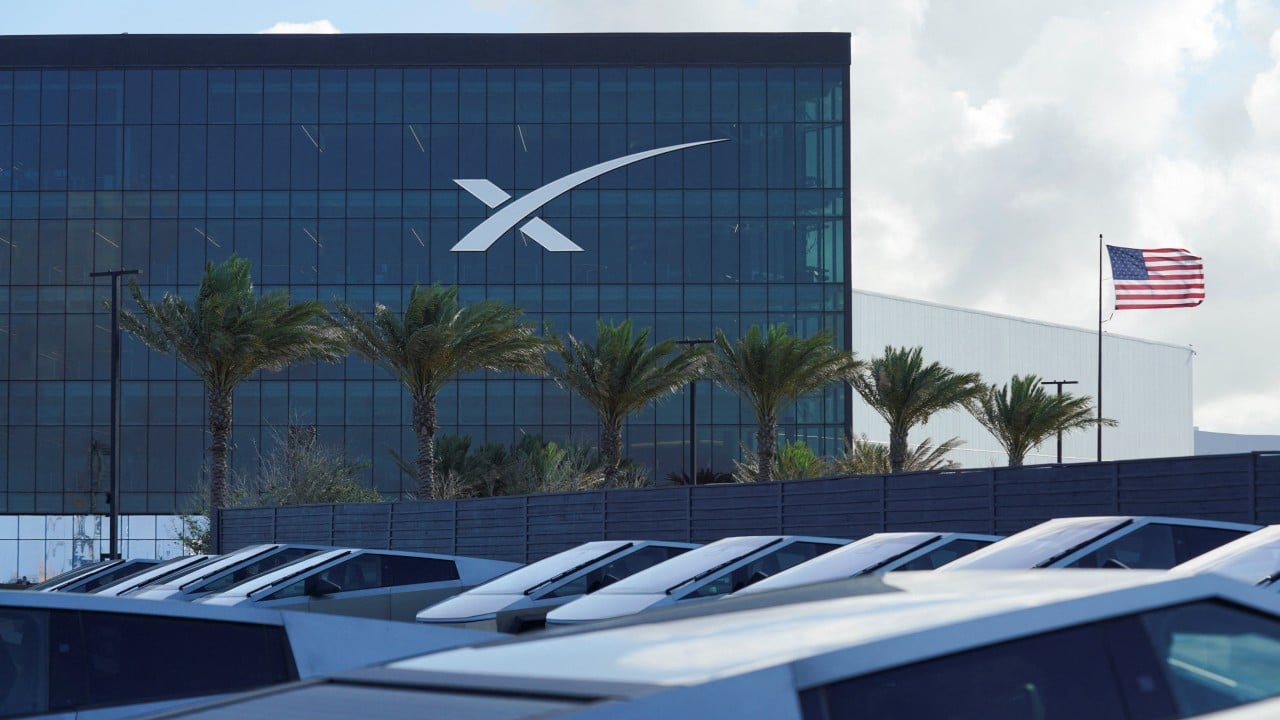
Going public usually gives a company a massive mountain of cash to play with, but Elon Musk's SpaceX isn't standard. Fresh off a blockbuster initial public offering on Nasdaq that valued the giant past $2 trillion, the company is already heading straight back to the capital markets. This time, it's not selling stock.
Wall Street bankers are scrambling to prepare a massive investment-grade bond offering. Sources indicate the sale will total at least $20 billion, with investor calls kicking off next week. If you found value in this article, you might want to look at: this related article.
If you bought shares during the recent public listing thinking the fundraising was over, you misread the script. Chief Financial Officer Bret Johnsen and President Gwynne Shotwell reportedly dropped a major hint during investor roadshows, suggesting the public listing was the last time the company intends to dilute its equity. Instead, debt is the new weapon of choice.
Moving Fast To Erase The Bridge Loan
The primary reason for this frantic debt push is simple. SpaceX has a ticking clock on its balance sheet. Earlier this year, the company secured a temporary $20 billion bridge loan to fund its massive February acquisition of xAI, Elon Musk's artificial intelligence startup. For another perspective on this story, refer to the latest update from The Motley Fool.
That bridge loan expires in September 2027. It accounts for the vast majority of the company's total $29.1 billion long-term debt load. Relying on short-term bank debt is highly stressful for a company that expects its capital expenditures to grow substantially.
Five heavy hitters on Wall Street—Bank of America, Citigroup, JPMorgan Chase, Goldman Sachs, and Morgan Stanley—provided that original bridge facility. Unsurprisingly, those same investment banks are managing this upcoming bond issuance. They want to swap out temporary, risky bank debt for highly stable, long-term corporate bonds.
The Pivot From Rockets To AI Infrastructure
Some investors are scratching their heads over why a space exploration firm needs a $20 billion bond deal to clear an AI loan. The reality is that SpaceX has shifted its core identity. By rolling xAI into its corporate umbrella, the firm isn't just flying rockets; it's aggressively building an expensive AI data infrastructure.
The cash requirements for this new phase are jaw-dropping. Some industry analysts estimate that the company's annual capital expenditures could eclipse $700 billion by 2031. Building data centers, securing thousands of high-end computing chips, and locking down the massive power infrastructure required to run modern AI systems takes real capital.
Oppenheimer recently bumped its price target on the stock to $250, cheering the integration of xAI and the recent acquisition of coding startup Cursor. Wall Street bulls argue that SpaceX controls every layer of the AI stack, from physical compute and models to real-world applications. But controlling that stack means paying upfront for the infrastructure.
Leveraging The Investment Grade Rating
Borrowing $20 billion isn't cheap unless you have the right credit score. SpaceX spent the entire public listing process securing investment-grade ratings from the three major credit agencies. This move gives them the ultimate hall pass in corporate debt markets.
By avoiding junk bond status, the corporate treasury can borrow at significantly lower interest rates. This matters when you refuse to issue more shares. Musk hates equity dilution because it eats away at his control and shrinks the pie for early investors. Long-term corporate bonds allow the business to fund its wild capital investments using other people's money without giving up a single slice of corporate ownership.
Debt market participants are watching closely. The corporate bond market is crowded. Tech giants are hitting the market constantly, and rivals like OpenAI and Anthropic are eyeing massive public debuts of their own.
Next Steps For Corporate Observers
If you are tracking this financial chess match, keep your eyes on the pricing terms of these upcoming corporate bonds. The final interest rate spreads will tell you exactly how much faith institutional fixed-income investors have in Musk's blended space and AI thesis.
Watch the upcoming investor calls closely. The focus will be on how the treasury structures the maturities. Spreading the debt across 5-year, 10-year, and 30-year tranches will give the company the long-term runway it needs to turn its heavy infrastructure investments into actual cash flow.