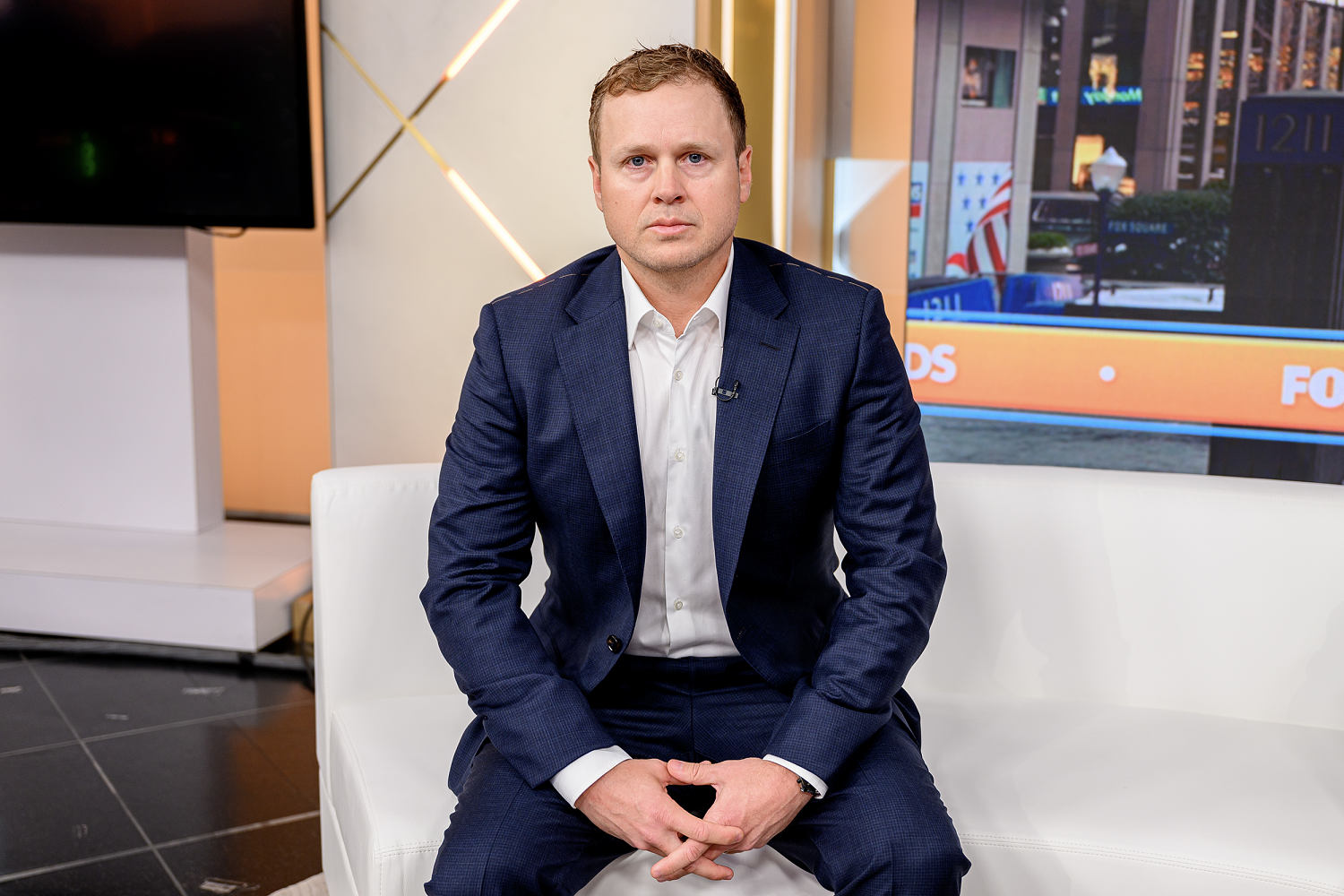
You’ve probably seen the video by now. The Hollywood sign is literally on fire. A militia stalks the streets of Los Angeles. Governor Gavin Newsom and Mayor Karen Bass are lounging like 18th-century French aristocrats at a decadent banquet, indifferent to the chaos outside. Then, Spencer Pratt—yes, that Spencer Pratt—swoops in like a tactical Batman to save the city.
It’s jarring. It’s hyper-saturated. It’s entirely fake.
This isn't just another weird moment in the life of a reality TV veteran. It’s a flare sent up from the front lines of a shifting political reality. When a non-commissioned, AI-generated campaign ad for a mayoral candidate goes viral with over 3 million views in days, the old rules of political communication haven't just changed. They’ve been shredded.
The Death of the Polished Campaign Ad
Traditional political ads are boring. You know the ones: the candidate in a crisp button-down walking through a park, a somber voice-over promising "a brighter tomorrow," and a legal disclaimer at the end. They’re expensive to produce and even easier to ignore.
The Pratt video, created by filmmaker Charlie Curran using generative AI, flips that script. It didn't cost hundreds of thousands of dollars in production fees. It didn't require a film crew, a permit to shut down a city block, or a team of editors working for months. It was "cranked out" in a fraction of the time for a fraction of the cost.
This is the new "rapid response." In a world where a news cycle lasts twelve minutes, waiting three weeks for a production house to finish a spot is political suicide. AI allows campaigns—or in this case, enthusiastic fans—to react to current events with cinematic intensity in real-time. If there’s a fire in the Palisades on Monday, there can be a high-def "hero" video of a candidate fighting the flames by Tuesday morning.
Why Spencer Pratt is the Perfect Vessel for AI Slop
Pratt isn't your typical candidate, which is exactly why this works. He’s spent twenty years navigating the "attention economy." He understands that in 2026, being liked is optional, but being watched is mandatory.
When the incumbent Mayor Karen Bass’s campaign dismissed the video as "AI slop," they missed the point. To the average voter doom-scrolling on TikTok, "slop" that entertains is infinitely more effective than a factual press release that nobody reads.
The Jokerfication of Karen Bass
The video portrays Mayor Bass with Joker-like face paint and depicts Kamala Harris swigging vodka from a bottle. It’s crude, offensive, and visually arresting. Because these are AI-generated caricatures, they bypass the usual "fact-checking" filters our brains use for live-action video. We know it’s fake, but the emotional "vibe" sticks.
Political expert Steve Caplan from USC pointed out that while this shock value might not flip a lifelong Democrat in a deep-blue city like LA, it does something else. It energizes a base that feels ignored. It gives them a visual language for their frustration. When Pratt rants about "$16 million for 64 units of interim housing," the AI video provides the cinematic "proof" of the incompetence he's attacking.
The Wild West of 2026 Election Law
If you're wondering how this is legal, the answer is: barely.
California has been aggressive in trying to regulate deepfakes. Current laws often require disclaimers on synthetic media published within 90 days of an election. But there’s a massive loophole the size of the 405 freeway.
- The "Fan Made" Defense: Pratt’s team claims he didn't make the video. He just "reposted" it. If a candidate isn't the creator, holding them legally liable for "deceptive media" becomes a nightmare for prosecutors.
- Satire and Parody: By making the imagery so over-the-top—Newsom as a French royal, for instance—the creators can argue it’s protected satire. It’s not meant to "deceive" you into thinking Gavin Newsom actually wears a powdered wig; it's meant to make a point about his perceived elitism.
The problem is that the line between "obvious parody" and "dangerous misinformation" is invisible. When the video shows a mother being harassed by homeless individuals, it’s tapping into very real, very raw fears. The AI just makes those fears look like a summer blockbuster.
What This Means for Your Ballot
We’re entering an era where you can't trust your eyes, but you'll still be asked to trust your vote. The Pratt video is a prototype. Expect every major race in the coming year to be flooded with "unofficial" AI content that the actual campaigns can disavow while reaping the benefits of the engagement.
If you’re a voter, the "smell test" is dead. You have to look for the source. If a video looks too cinematic to be true, it probably is.
If you're a political operative, you're likely terrified. Your carefully crafted "brand" can be demolished by a guy with a $20-a-month AI subscription and a grudge. The barrier to entry for political sabotage has effectively dropped to zero.
The real danger isn't that we'll believe Spencer Pratt is Batman. The danger is that after being flooded with enough of this content, we’ll stop believing anything at all. When everything is a simulation, the candidate with the loudest, weirdest, and most frequent "slop" wins the only thing that matters: the click.
Don't wait for the platforms to fix this. They won't. Check the metadata of viral clips if you can, follow primary sources for candidate statements, and remember that if a political ad makes you feel like you're watching a Marvel movie, you're being played.
Get used to the fire on the Hollywood sign. It’s not going out anytime soon.