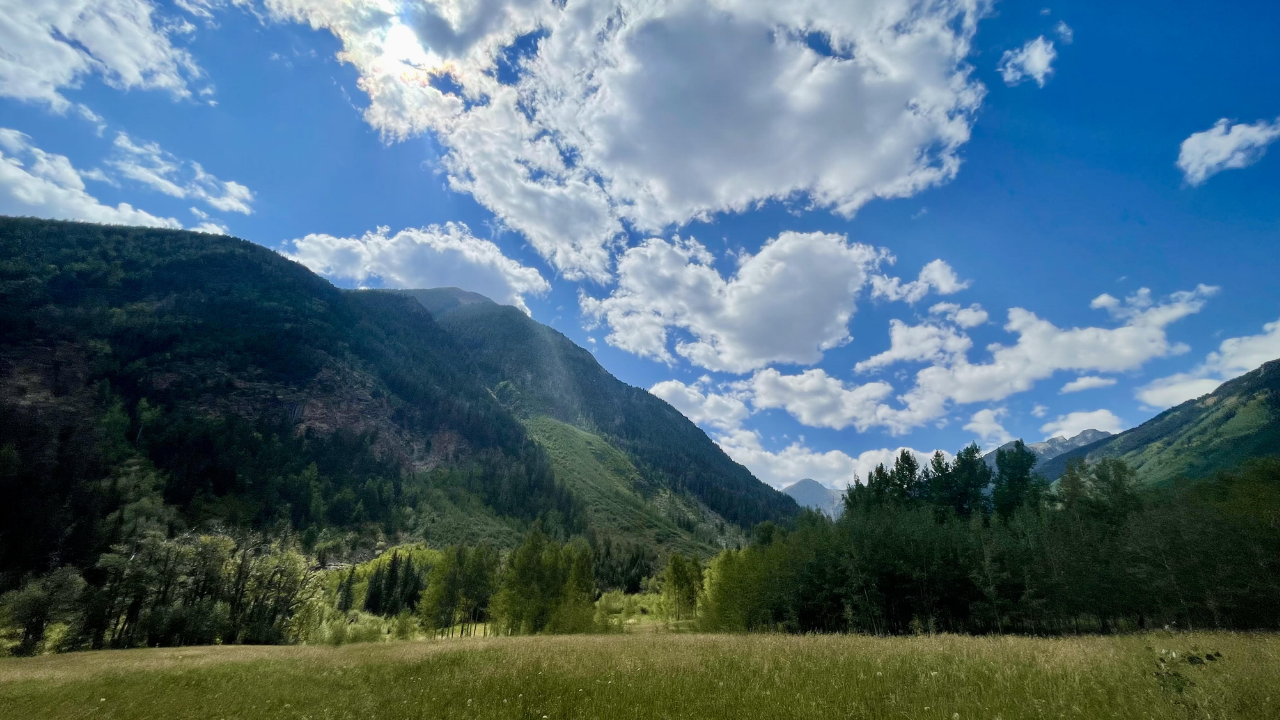
Writing a check for thirty-four million dollars demands a strong justification, especially when you are a local government spending taxpayer-backed funds. Back in 2024, Pitkin County took that exact gamble. They bought the 650-acre Snowmass Falls Ranch, a pristine property tucked away in the upper Snowmass Creek Valley that had remained in private hands for more than a century.
Most people hear a figure like that and assume local politicians lost their minds. They picture luxury gated communities or sprawling mega-mansions rising up against the Elk Mountains. Instead, this massive land deal turned out to be a masterclass in modern conservation, securing a crucial piece of the Rocky Mountains before private developers could carve it into pieces. You might also find this similar article insightful: Japan Is Slaughtering Thousands of Bears and It Is Backfiring Completely.
The Century-Long Backstory of Snowmass Falls Ranch
Before this land caught the attention of modern county planners, it had a long and rugged history. Long before European settlers arrived, the valley floor served as traditional territory for the Ute People. By the early twentieth century, a Danish immigrant named Kate Lindvig pieced together multiple parcels through direct purchases and the Homestead Act. She earned a fierce local reputation as the Cattle Queen of Snow Mass, running the operation entirely on her own until 1943.
After Lindvig's tenure, the property passed to Bob Perry, Ruth Brown Perry, and D.R.C. Brown, Jr. The Perry family cared for the pristine mountain landscape for nearly eighty years. When they finally listed the property for sale, the real estate market in Pitkin County was white-hot. Developers circled like hawks. If the county had stayed on the sidelines, the lush meadows, beaver ponds, and spruce forests would have vanished behind private security gates. As extensively documented in recent reports by The Washington Post, the results are notable.
How Pitkin County Pulled Off the Record Purchase
Raising thirty-four million dollars takes careful financial engineering. This acquisition shattered the previous local open space record, which was the seventeen million dollars spent on Sky Mountain Park back in 2010.
Pitkin County didn't just pull the cash out of a standard checking account. They relied on a mix of funding sources:
- Open space bonds issued back in 2020 when interest rates were low.
- A ten-millions-dollar loan from Great Outdoors Colorado, an organization that distributes state lottery revenues to conservation projects.
- Strategic partnerships with groups like The Wilderness Land Trust to manage federal land transfers.
Local officials weren't planning to hold the entire property indefinitely. The strategy relied on federal reimbursement. By utilizing the Land and Water Conservation Fund, the county set up a mechanism to transfer a vast majority of the acreage directly to the United States Forest Service.
Expanding the Maroon Bells Snowmass Wilderness
Buying land is only half the battle. Protecting it permanently requires changing its legal status. Two years after the initial purchase, officials initiated the formal transfer of 530 acres straight into the White River National Forest, locking it inside the Maroon Bells-Snowmass Wilderness.
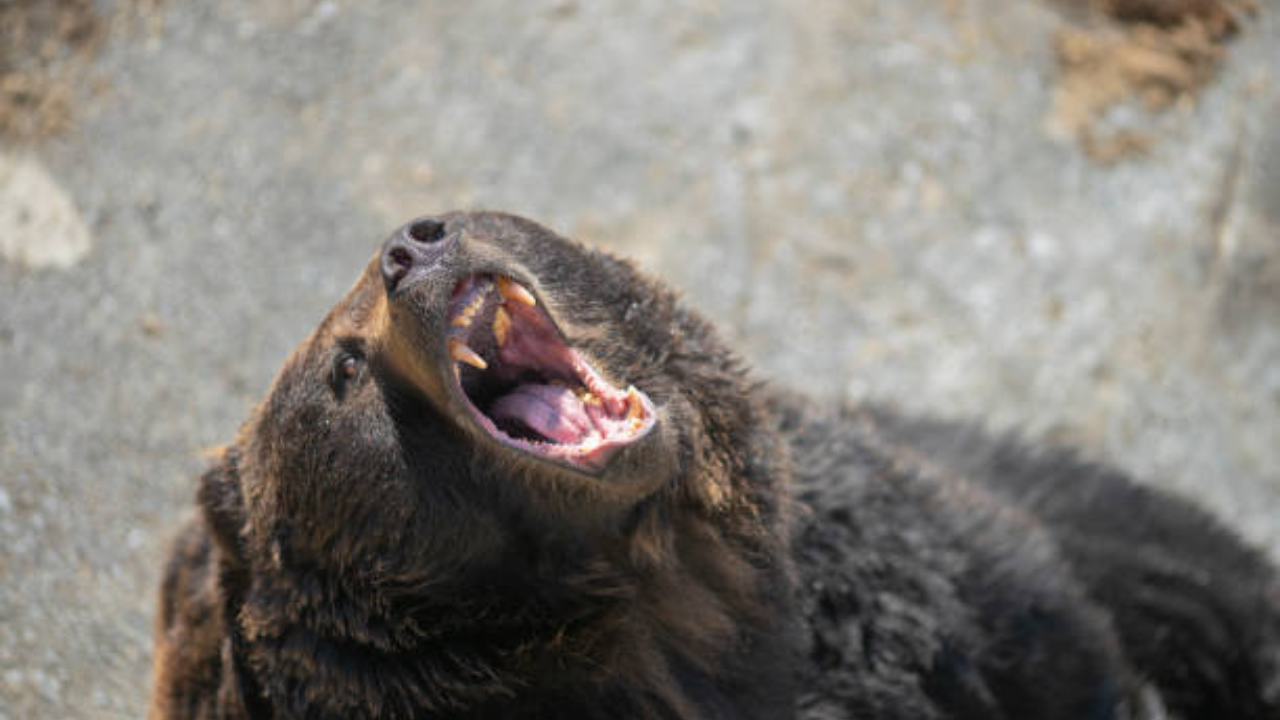
This move guards vital high-altitude habitats. Elk, mule deer, moose, black bears, and mountain lions rely on these seasonal migration corridors. Two miles of Snowmass Creek frontage protect critical water resources, while the famous Snowmass Falls remains accessible to hikers rather than blocked off by private owners.
The remaining 120 acres, which feature historic farm buildings and basic cabins, stay under local control with strict conservation easements. Walk the trails out there today, and you will barely notice where private ownership ends and public wilderness begins. That seamless integration is precisely why the gamble paid off.