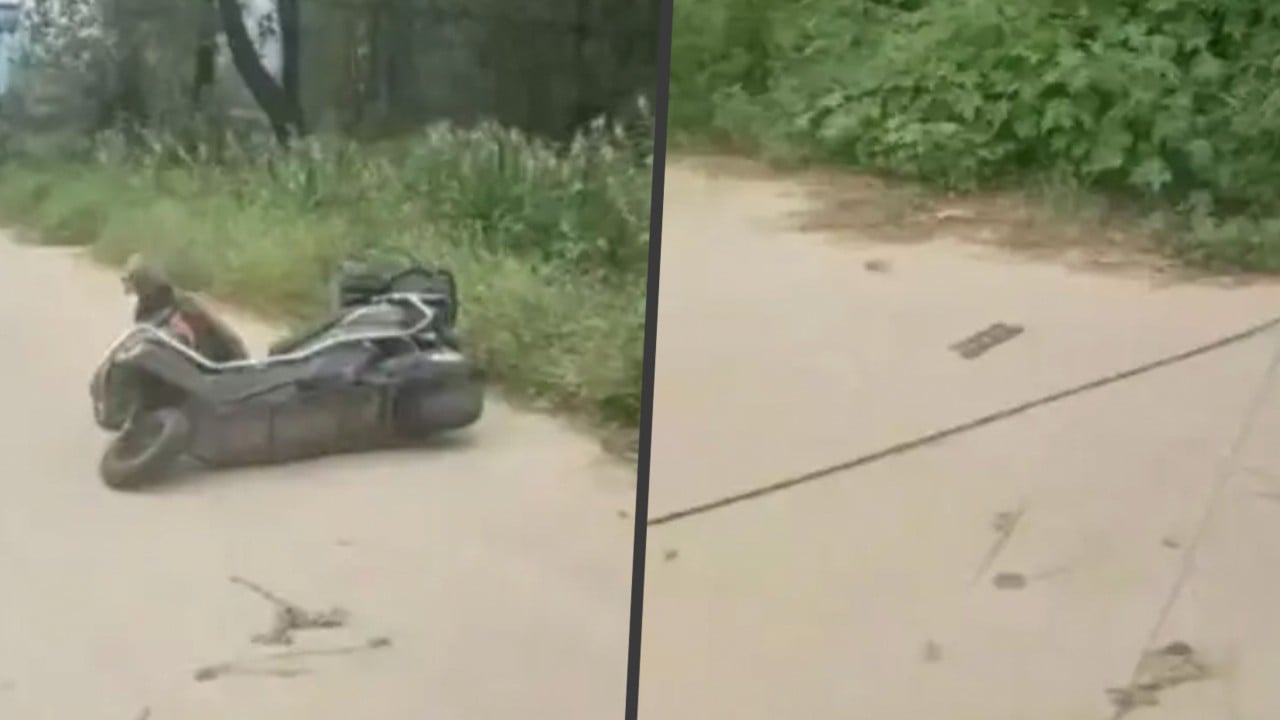
Every time blood stains the interior of a locked vehicle, the immediate, lazy reflex of modern media is to reach for the easiest narrative switchboard. We fixate on the instrument of violence. We gasp at the physical mechanics of the horror. We demand answers to a checklist of superficial questions that allow us to process the unthinkable without ever having to look at the rotting foundations of the structures around us.
It is a comforting illusion. If we can isolate the tragedy to a single blade or a single moment of madness, we can pretend that normal life remains safe, predictable, and clean.
The truth is much darker, much more systemic, and entirely ignored by the standard headline-chasing machinery.
I have spent years watching institutions fail the vulnerable, tracking how bureaucratic indifference and the total collapse of community safety nets quietly herd desperate human beings toward the edge of a cliff. When a family unit breaks down to the point of catastrophic internal violence, you are not looking at a sudden lightning strike of spontaneous evil. You are looking at the final, deafening explosion of a long, agonizing silence where every single warning light was ignored by the society charged with keeping the lights on.
The Comforting Lie of the Monolith
The public narrative loves to paint perpetrators of domestic annihilation as cartoon villains or rare, incomprehensible anomalies. This lets us off the hook. If they are monsters, then ordinary people have nothing to worry about.
That framework is dangerously false.
Human beings do not wake up one Tuesday morning and decide to erase their own flesh and blood unless their reality has contracted into a state of total, inescapable despair. When social support evaporates, when mental health infrastructure is nothing more than a six-month waiting list and a prescription pad, and when economic precarity squeezes the oxygen out of a household, people break.
We talk endlessly about crisis response, but we refuse to talk about the months of compounding institutional neglect that preceded the crisis. We treat the emergency room arrival as ground zero, ignoring the fact that the fire has been smoldering under the floorboards for years.
Dismantling the Bystander State
Look at how we handle domestic distress. We have built a system of locked doors and digital forms. If a parent is drowning under the weight of severe psychological fracture, financial ruin, or profound isolation, where is the early intervention that actually matters? It does not exist.
Instead, we wait for the blood to spill. We wait until the car is parked on a dark roadside and the irreversible has occurred before the state machinery kicks into high gear with flashing lights, yellow tape, and performative grief.
Our current approach to family safety is entirely reactive. It is an ambulance waiting at the bottom of a cliff, except the cliff has no guardrails, no warning signs, and a ticket booth charging families for the privilege of falling.
Until we stop treating these tragedies as isolated freak occurrences and start treating them as systemic symptoms of an abandoned population, we will keep reading the exact same headlines with different names swapped in. The weapon changes. The blood changes. The collective cowardice of our social infrastructure remains identical.
Stop asking how a tragedy happened. You already know how it happened. Start asking why we left them alone in the dark long before they ever reached the car.