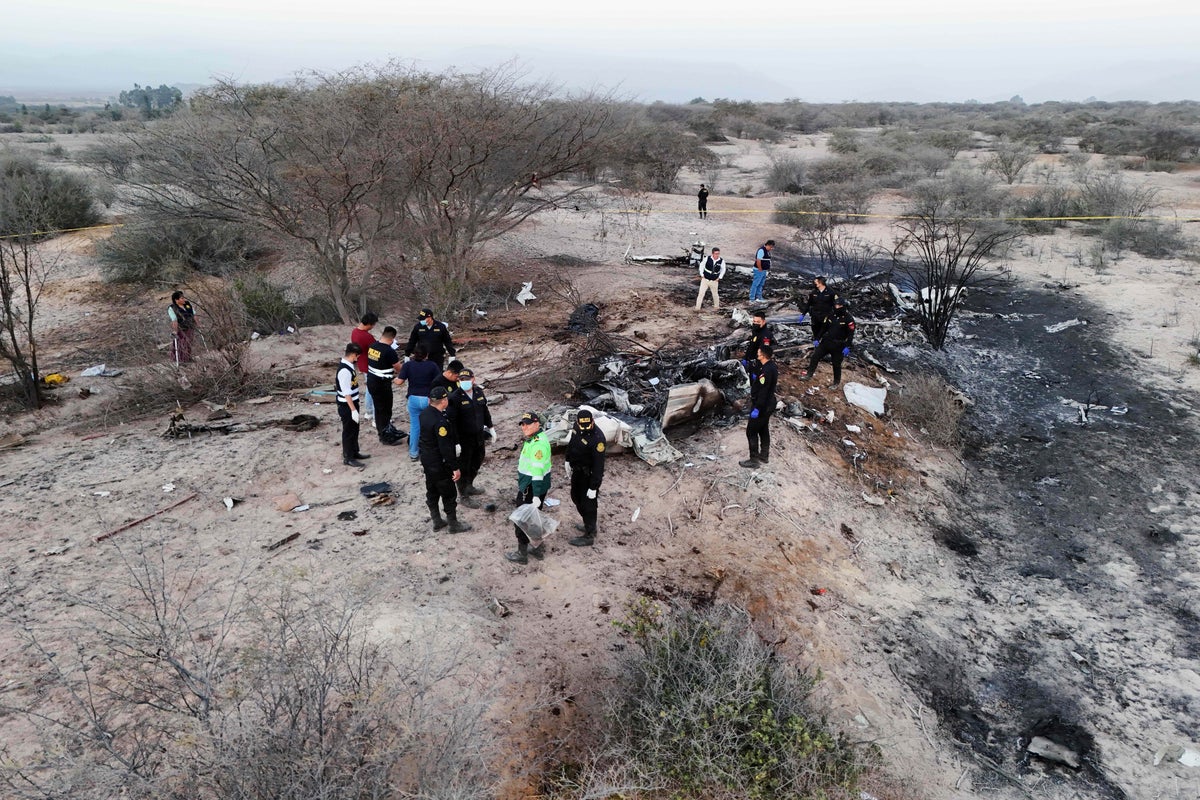
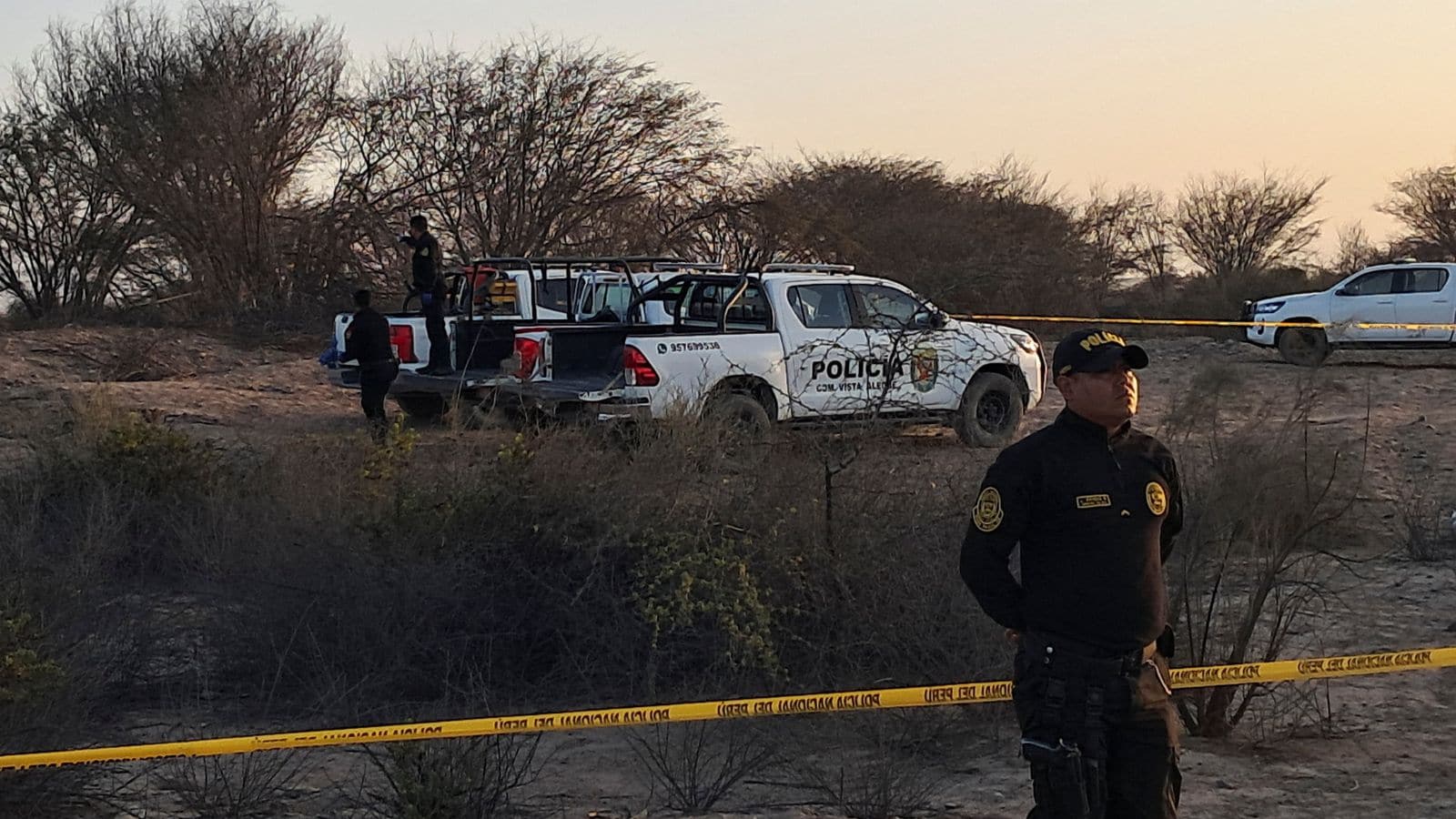
Every time a small tourist aircraft goes down, the media rolls out the exact same tragic script. Grief, shock, calls for immediate groundings, and the tired moral panic that commercial aviation is a ticking clock. When thirteen people lost their lives in a sightseeing plane crash in Peru, the lazy consensus immediately blamed the inherent danger of flying over rugged terrain for vacation photos.
That narrative is wrong. It is comfortable, lazy, and completely detached from how risk actually works in the modern world.
I have spent years analyzing operational safety limits across extreme tourism sectors. I have watched multi-million dollar adventure companies cut corners on weight distribution while regulators looked the other way. The real story behind these tragedies is never about the sky being inherently malicious. It is about a catastrophic failure to separate certified commercial air transport standards from the wild-west operations of localized scenic flight vendors.
The Illusion of Safety in Sightseeing Tourism
When you step onto a commercial jet operated by a major airline, you are stepping into the safest mode of mass transit ever engineered by humanity. The fatal accident rate for major scheduled carriers is virtually negligible, measured in fractions per million departures.
Tourists map that mental safety record onto a six-seater Cessna or a modified twin-engine prop plane flying over ancient ruins or canyons. That mental mapping is a fatal error.
Scenic flight operators often operate under entirely different regulatory classifications than major airlines. In many developing tourism hotspots, oversight is fragmented, maintenance logs are treated as loose suggestions, and pilots are pushed to fly in marginal weather conditions simply to protect profit margins during peak season. Blaming aviation as an industry for a sightseeing crash is like blaming the concept of maritime navigation when an overloaded party boat sinks because the captain ignored storm warnings.
The Data We Refuse to Look At
Let us look at the numbers without the emotional filter. General aviation and specialized sightseeing flights carry a risk profile exponentially higher than scheduled commercial flights. According to safety data from international civil aviation authorities, private and non-scheduled commercial flights experience accident rates up to ten times higher than scheduled domestic or international flights.
Yet, travelers treat booking a flight over the Nazca Lines or a remote glacier with the same casual nonchalance as booking a seat on an express train.
[ Scheduled Commercial Aviation ] ---> Exceptionally Low Risk / Heavy Regulation
[ Localized Sightseeing Flights ] ---> Elevated Risk / Fragmented Oversight
This disparity does not mean you should never board a small plane. It means you must stop treating all flight as a monolith.
Why the Standard Safety Advice Fails
When regulators respond to these disasters, they usually issue generic warnings about weather monitoring and pilot fatigue. These measures are completely insufficient. They address the symptom while ignoring the structural economic incentive that forces small operators to gamble with weather windows.
When a tour operator’s entire daily revenue depends on whether they can squeeze in three scenic rotations before noon, the psychological pressure on the pilot to fly through questionable fog or wind shear is immense. No amount of classroom safety training overrides the economic reality of a starving balance sheet.
If you want to stay safe while seeking out aerial views, you need a radical shift in how you evaluate adventure travel providers.
How to Audit Your Own Sky-High Risks
Stop looking at TripAdvisor ratings or glossy brochures. Those metrics measure customer service and photo quality, not piston-engine maintenance schedules.
- Demand Maintenance Transparency: Ask who maintains the fleet. Is it an in-house mechanic with a wrench and a prayer, or an authorized certified repair station?
- Verify Pilot Hours on Type: A pilot with ten thousand total hours is irrelevant if they only have fifty hours on the specific airframe configuration being flown in high-density altitude conditions.
- Embrace Cancellation: If your pilot calls off a flight due to weather, shake their hand and tip them. The pilots who refuse to fly are the only ones worth trusting.
The romanticized view of adventure travel insists that danger is just part of the thrill. That is a marketing lie invented by companies that want to externalize the cost of their poor safety culture onto you. Flying over the world's most breathtaking landscapes should humble you, but it should never require you to roll the dice on neglected mechanics and reckless scheduling. Demand better operators, or keep your feet firmly on the ground.