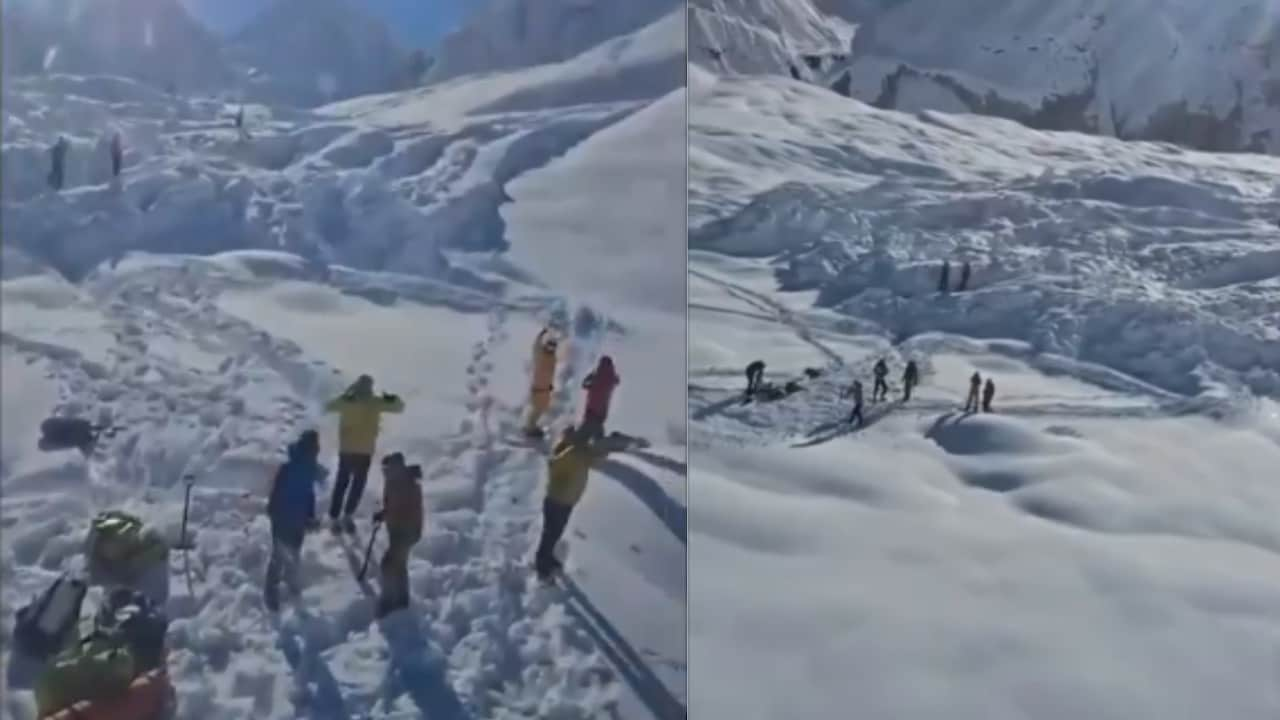
Every time an avalanche tears through an Himalayan slope and claims lives, the global media machine spins into the exact same predictable, exhausting cycle of manufactured shock. Headlines scream about tragedy, commentators wring their hands over route safety, and armchair mountaineers demand better infrastructure on peaks sitting thousands of meters above civilized life. It is a comforting collective delusion. It lets us pretend that wild places can be managed, regulated, and sterilized into submission if we just throw enough red tape and rescue helicopters at them.
The lazy consensus is that every climbing accident represents a system failure. Poor weather forecasting, inadequate guiding, lax permitting, or reckless risk-taking. Fix those variables, the narrative goes, and the mountains become safe. For another perspective, check out: this related article.
That perspective is dangerously naive. It strips the wilderness of its fundamental identity.
I have spent decades watching climbers, commercial operators, and bureaucrats try to negotiate with gravity, wind, and unstable snowpack. The uncomfortable truth is that mountains are indifferent to human ambition. When an avalanche sweeps across a snow-covered ridge in Nepal, it is not a malfunction of nature. It is nature functioning exactly as it has for millions of years. Similar coverage on the subject has been published by AFAR.
Treating high-altitude mountaineering as an extreme amusement park ride where safety is guaranteed by a permit fee destroys the entire point of going there. When we sanitize the risk, we cheapen the endeavor. Worse, we foster a culture of entitlement that puts local rescue workers at extreme risk simply because tourists refuse to accept that choice carries consequence.
The Myth of Controlled Wilderness
Look closely at how commercial expeditions operate today. Walk into base camp on any major peak, and you will see satellite internet terminals, real-time meteorological feeds, and massive logistics chains designed to insulate climbers from reality. This creates a profound psychological disconnect. People step onto icefalls believing they are participating in a managed outdoor sport rather than stepping into an untamed, high-stakes environment.
When conditions shift and an unpredicted slab release buries a route, the collective reaction is outrage. Who allowed them up there? Why didn't the forecasting models catch it?
The answer is simple. Mountain weather is chaotic. Forecasting models are probabilistic guesses built on sparse data in the most hostile topography on earth. No amount of sensor deployment or bureaucratic oversight will turn an unstable snow slope into a safe sidewalk.
By pretending that every accident is preventable, we shift the blame away from individual agency. We tell climbers that if they pay enough money, someone else is responsible for keeping them alive. That mindset is lethal. True mountaineering demands absolute personal accountability. The moment you outsource your risk assessment to a permit office or an app, you are already halfway down the wrong side of the mountain.
The Real Cost of Sanitizing Risk
There is a modern obsession with eliminating friction from human experience. We want air-conditioned commutes, curated social feeds, and sterilized adventure. But when you apply that philosophy to extreme environments, you break the math.
Mountains hold value precisely because they do not care about your feelings, your safety plan, or your return flight. They are vertical deserts of ice, rock, and thin air. When climbers head into the high ranges of Nepal, they are entering a zone where the default state is death, and survival is a temporary negotiation won through skill, timing, and a massive dose of luck.
When media outlets frame every storm and slide as an unexpected anomaly, they mislead the public. They encourage a wave of inexperienced travelers to view peaks like Annapurna or Everest as bucket-list checkboxes rather than severe technical challenges. These travelers arrive undertrained, over-reliant on fixed ropes, and utterly incapable of reading subtle shifts in microclimate or snow stability.
When tragedy strikes, the ensuing public relations scramble forces local governments into knee-jerk reactions. They talk about banning solo climbs, enforcing mandatory guide ratios, or shutting down routes entirely. These measures do not save lives; they bureaucratize hazard. They create a false sense of security while punishing the experienced, self-reliant alpinists who understand the stakes and accept the liability.
Rethinking How We Talk About Alpine Disasters
If we want to honor those who lose their lives in the high country, we need to stop romanticizing their ignorance and stop demonizing the environment.
Acknowledge the math. High-altitude climbing operates on thin margins. A minor miscalculation in timing, a sudden barometric drop, or a hidden wind slab can turn a routine traverse into a catastrophe in three seconds. No guide can outrun physics. No rope can hold against a million tons of moving snow.
Stop demanding accountability from the wind. When a structure fails in a city, blame the engineer. When an avalanche sweeps a ridge, blame gravity, accept the loss, and recognize that the human urge to test our limits against impossible odds is ancient, primal, and entirely optional.
If you cannot stomach the reality that the mountain might swallow you whole, stay home. Book a trek through a manicured valley. Buy a virtual reality headset. But do not demand that the roof of the world be padded with rubber for your peace of mind.
The peaks do not negotiate. They do not compromise. And they certainly do not owe you safe passage just because you paid your fees.