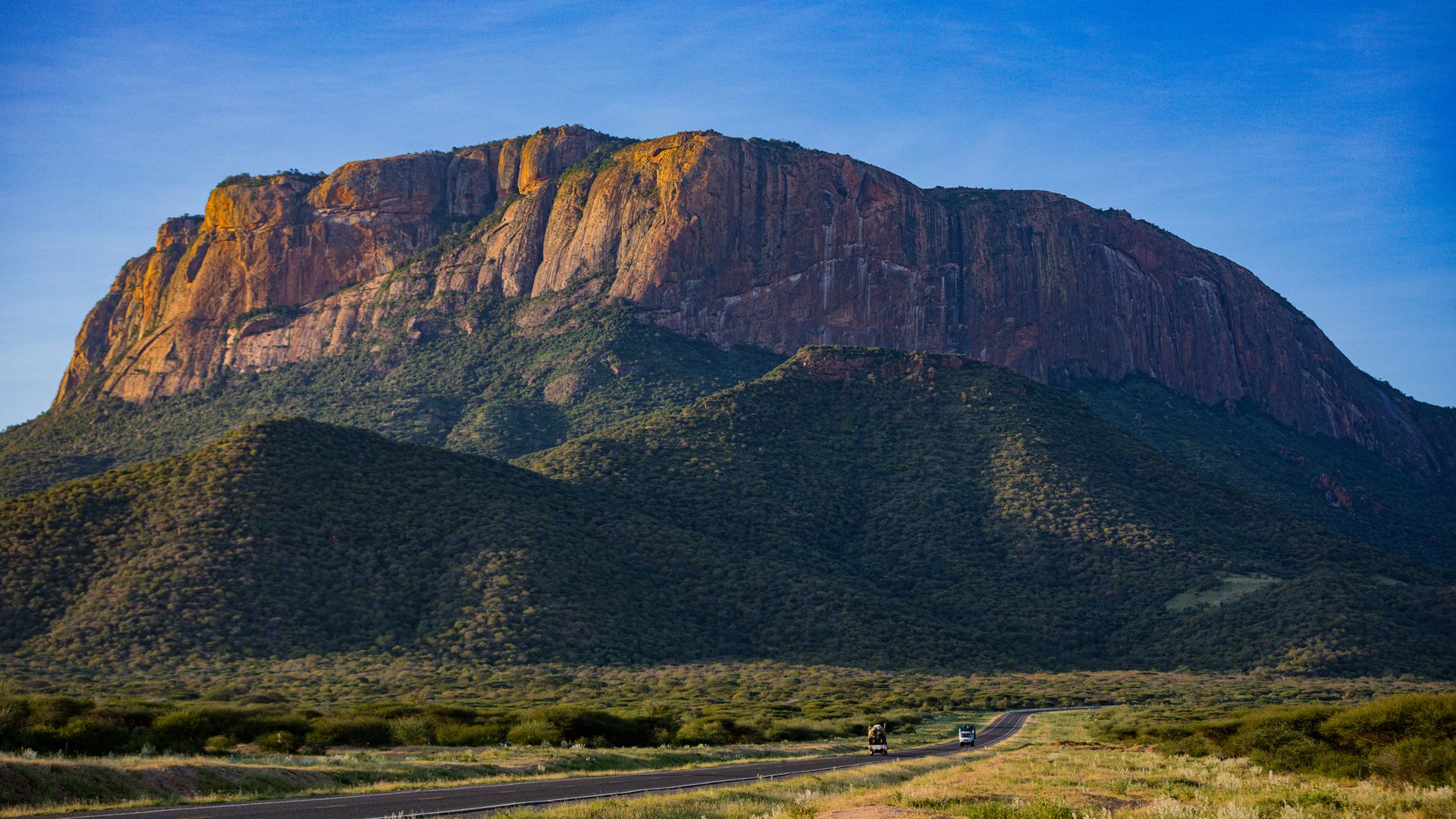
Another remote African airstrip, another burning wreckage, another round of hollow corporate condolences. The headlines focus obsessively on the flags of the deceased, mourning the loss of four American tourists and their pilot after a helicopter went down near Mount Ololokwe. This is the standard media script. Distill a complex aviation disaster into a tragic travel mishap, blame bad luck or rugged terrain, and move on until the next carbon-fiber hull shatters against a cliffside.
We need to stop treating high-risk adventure tourism as an unfortunate roll of the dice. It is a calculated product, heavily marketed, inadequately regulated, and systematically insulated from real accountability.
The Myth Of The Untamed Wilderness Hazard
When luxury operators pack tourists into a Eurocopter for a scenic hop across Samburu County, they sell an illusion of untamed frontier exploration. The marketing materials promise wild isolation, untouched vistas, and exclusive access. But physics does not care about marketing brochures.
The lazy consensus in mainstream coverage frames these incidents as random tragedies born of remote geography. That is a comforting fiction for an industry that thrives on turning high-consequence bush flying into a lifestyle accessory. Operating aircraft in East African microclimates requires elite instrument infrastructure, rigorous maintenance discipline, and absolute refusal to fly visual rules into rapidly shifting weather patterns.
When a multi-million-dollar charter goes down in a forested ravine, pointing at the wilderness is a cop-out. The failure is rarely the jungle. The failure is systemic pressure to maintain high-yield flight schedules regardless of atmospheric reality.
The Economics Of Ignoring Risk
I have watched high-net-worth tourism boards and boutique operators blow millions on brand optics while cutting corners on operational redundancy. Single-engine turbine helicopters are workhorses, but pushing them into remote, high-density altitude environments without dual-engine backups or military-grade flight tracking is an active choice.
Let us look at the structural incentives. High-end safari lodges price itineraries at tens of thousands of dollars per head. Guests expect seamless connectivity, private air transfers, and rigid timetables. When a pilot faces marginal weather or fatigue, the corporate pipeline exerts immense subtle pressure to fly. Turning down a charter flight means disappointing a high-value client base and disrupting complex logistics chains.
Accident investigations routinely focus on pilot error or mechanical anomaly. They rarely interrogate the corporate boardrooms that monetize the danger while outsourcing the risk management to a single pilot in the cockpit.
Demanding Real Accountability In Extreme Travel
If you want to fix luxury adventure travel, stop accepting press releases from tourism consortiums that hide behind pending investigations.
- Mandatory Flight Tracking: Refuse to book with any charter outfit that does not utilize real-time satellite telemetry accessible by independent third parties.
- Double-Engine Minimums: For mountainous or remote terrain, single-engine rotorcraft should be blacklisted by corporate travel policies. Redundancy saves lives when terrain leaves zero margin for error.
- No-Fault Grounding Rules: Operators must grant pilots absolute, legally protected authority to scrub flights for weather or fatigue without financial penalty or career blowback.
The next time a headline laments a tragic loss in the skies of East Africa, look past the nationality of the victims and ask about the dispatch sheets. Until the cost of negligence exceeds the profit margin of flying into a known hazard, the wreckage will keep piling up.
Stop buying the romance of bush flying. Demand structural safety or stay on the ground.