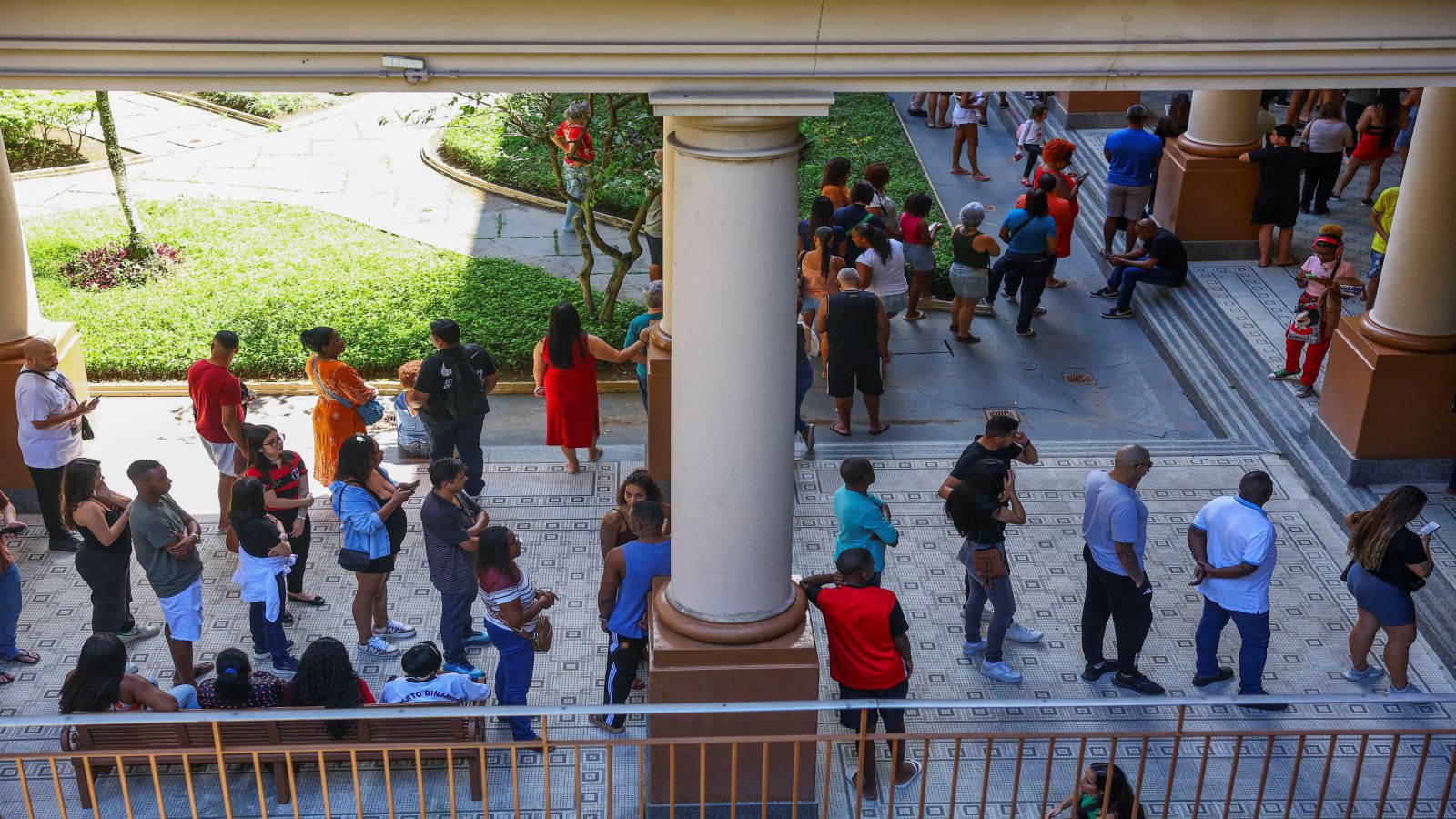
The lazy narrative dominating international headlines is that Luiz Inácio Lula da Silva simply pulled off a masterclass in political resilience, beating Flávio Bolsonaro in a classic left-versus-right showdown. Commentators love to frame this as the eternal triumph of institutional democracy over populist resurgence, pointing to the 159 million voters and the dramatic runoff swing as proof that the system works as intended.
It is a comforting bedtime story for political scientists. It is also entirely detached from economic and structural reality.
I have spent years watching foreign observers misread South America’s economic engine, treating structural crises like soap operas driven entirely by charismatic personalities. Focusing on whether Lula or a Bolsonaro occupies the Planalto misses the forest for the trees. Brazil's political class is engaged in a high-stakes shell game, and the electorate is cheering for the cup hiding an empty shell.
The Myth of the Great Democratic Rebound
Look past the feel-good photographs of voters sprinting to polls in Bahia. The conventional take treats Lula’s fourth term as an ideological mandate. That perspective ignores the arithmetic of stagnation. Brazil is trapped in a low-growth equilibrium defined by rigid fiscal rules, crumbling productivity, and an unbearable household debt burden.
When Flávio Bolsonaro stepped into his father’s oversized political shoes for this race, the media treated it as the continuation of a populist dynasty. In reality, the Bolsonaro faction capitalized on genuine, rotting structural grievances: rampant urban security fears, bureaucratic strangulation of small businesses, and a profound alienation from a Brasília elite that treats public coffers as personal patronage networks.
Yet, the right offered no structural solutions either. Their platform relied on cultural grievance and superficial tax cuts that would have blown wider holes in an already hemorrhaging budget. Choosing between Lula’s bloated state-directed paternalism and Bolsonaro’s performative anti-establishment posturing is not a choice between futures. It is a choice of poison.
The Economic Trap Nobody Wants to Name
Let us look at the numbers the pundits conveniently gloss over. Brazil's debt-to-GDP ratio is a ticking time bomb. Both political camps spent the campaign cycle making promises they cannot fund without triggering runaway inflation or crushing tax hikes on an informal sector that already carries half the economy on its back.
Imagine a scenario where a Brazilian president actually deregulated the labor market, dismantled the protectionist tariffs that shelter inefficient domestic monopolies, and privatized state-owned enterprises without political cronyism. Both Lula and the Bolsonaristas would violently oppose it. Why? Because the entire Brazilian political apparatus survives by distributing rents to favored interest groups—whether agricultural oligarchs on the right or union bosses on the left.
The media wants you to believe that democracy was saved on Sunday night. Ask the average small business owner in São Paulo paying extortionate interest rates whether their life changed because an 80-year-old incumbent edged out a departing senator. The answer will involve explicit language and a heavy sigh.
Why the Opposition Keeps Missing the Target
Flávio Bolsonaro’s post-election retreat to Washington and his immediate cries of electoral irregularities exposed the fundamental weakness of the modern Brazilian right. They have no institutional patience. Instead of building municipal power bases, reforming local governance, or presenting a coherent alternative budget, they rely on perpetual grievance and theatrical defiance.
When you scream fraud without evidence, you let the incumbent off the hook for actual policy failures. Lula does not need to defend his mediocre economic growth metrics or explain why inflation continues to bite into working-class families' purchasing power. He just needs to stand next to a microphone and point at the chaos coming from the opposition.
The right handed Lula this victory on a silver platter. They treated a national election like a social media culture war, completely ignoring the mundane, grinding reality of municipal tax codes, state pension deficits, and infrastructural bottlenecks that actually determine whether a country moves forward or stands still.
The Real Test Begins Now
Brazil is not saved, and it is not ruined. It is stagnant. Lula has his historic fourth term, but he inherits a fractured congress, disgruntled regional governors, and an international commodities cycle that will not bail out domestic mismanagement forever.
Stop looking at Brazilian politics through the lens of a Hollywood movie where good triumphs over evil. This is an oligarchy managing its own decline while the populace picks sides in a rigged stadium. Until a political movement emerges that cares more about balance sheets than culture wars, Brazil will remain the country of the future—and always will be.
Brazil's President Lula da Silva beats Flavio Bolsonaro to win re
This video provides a direct look at the narrow runoff results and the immediate political climate surrounding the close contest between Lula and Flávio Bolsonaro.


