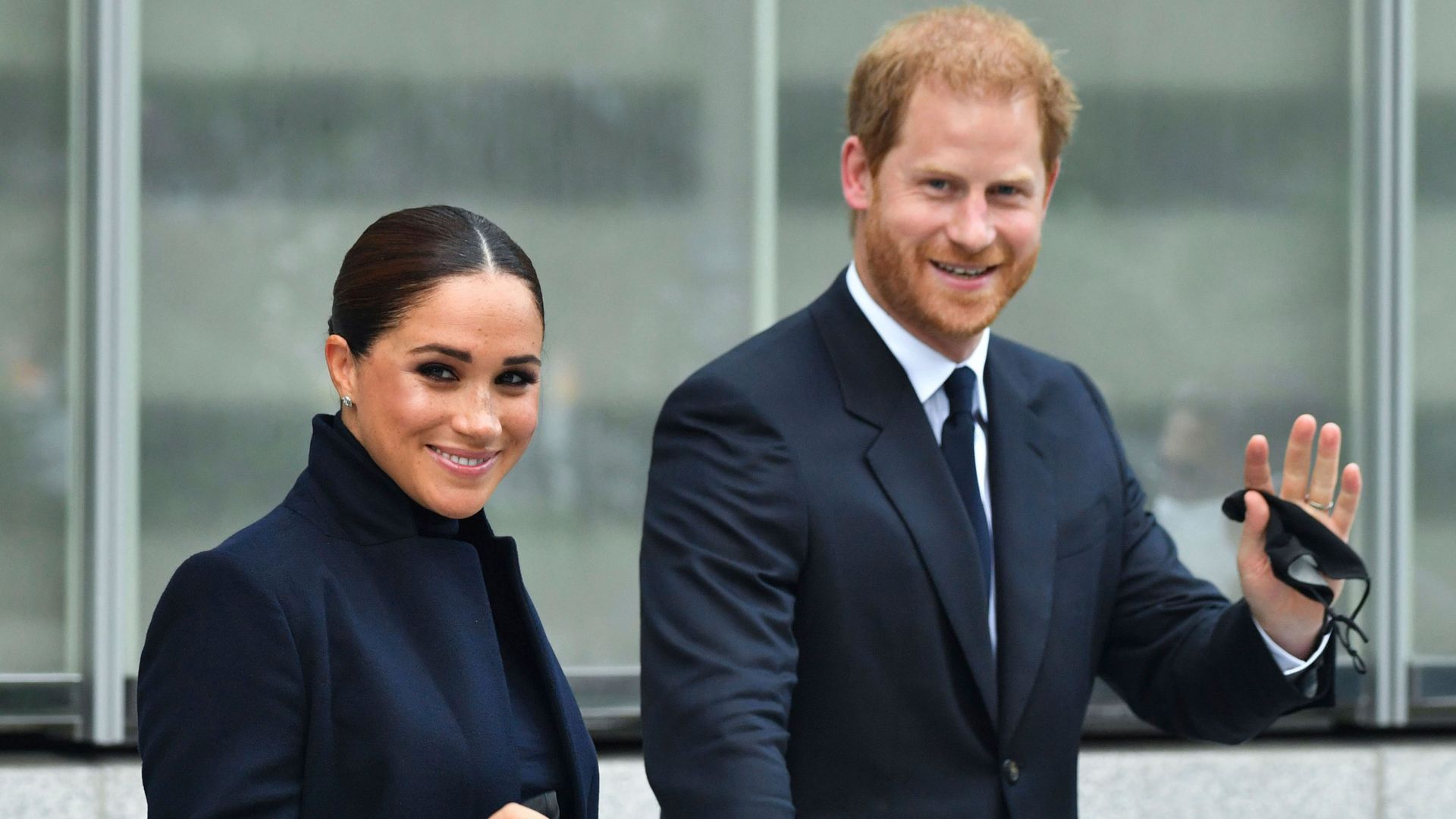
The media machine loves a good prodigal son narrative. Every time Harry and Meghan catch a flight across the Atlantic, the commentariat spins up the same tired fantasy: reconciliation is just around the corner, Charles is softening, and the family album is about to get its missing pieces back. It is comforting, cinematic, and entirely divorced from reality.
The lazy consensus is that institutional friction comes down to personal hurt feelings, bruised egos, and a stubborn patriarch who just needs to pick up the phone. That diagnosis is not just naive; it fundamentally misunderstands how modern statecraft and dynastic preservation actually function.
People ask whether the King is going to strip titles, whether Windsor security will be reinstated, or whether the Sussexes will ever step back onto a Buckingham Palace balcony. These questions miss the entire point. They treat a billion-dollar institutional brand like a dysfunctional suburban family gathering at Thanksgiving.
Let us look at the mechanics of the institution. A monarchy is not a club you can quit and rejoin on weekends depending on your media schedule. It is a rigid corporate entity where risk mitigation overrides sentimentality every single time.
The Cost of Brand Contamination
I have watched corporate boards panic over minor PR missteps, let alone an ongoing, multi-platform media campaign that treats an institution as fair game for prime-time interviews and streaming docuseries. When Harry and Meghan walked away, they did not just leave working roles; they monetized their proximity to the crown.
From an institutional risk perspective, bringing them back into the fold—even partially—introduces an unacceptable volatility factor. Every private conversation becomes a potential podcast episode. Every family dinner carries the risk of a Netflix second act. The Firm survived abdication, scandal, and centuries of political upheaval precisely because it learned how to quarantine threats.
The mistake critics make is assuming Charles operates as a grieving father first and a sovereign second. Constitutional monarchs do not have that luxury. The crown is a trust, not personal property. Reintegrating a faction that has actively demonstrated it operates outside the corporate messaging framework destroys internal discipline. If you let two members freelance, rewrite the rulebook, and cash in on royal branding without bearing the corresponding constitutional burdens, the entire enterprise collapses under the weight of its own hypocrisy.
The Illusion of the Half-In Model
People love to talk about hybrid models. They imagine a world where the Sussexes do half-year stints in Windsor and half-year stints in California, serving as glamorous global ambassadors without the boring ribbon-cutting ceremonies in Yorkshire.
Imagine a scenario where a multinational corporation lets a disgruntled former executive set up a competing firm across the street, trash the company culture in public, and then demand a seat on the board twice a year to boost their own stock options. It sounds absurd because it is.
The half-in, half-out proposition was dead on arrival the moment the Sandringham Summit concluded. An institution built on absolute consistency cannot tolerate ambiguity. You are either bound by the letters patent, the Privy Council oversight, and the suffocating goldfish bowl of public service, or you are a private citizen free to sign commercial contracts with corporate giants. You do not get to weaponize royal status for Silicon Valley production deals while demanding taxpayer-funded security details and ceremonial validation.
Dismantling the Victim Narrative
The counter-argument usually defaults to sympathy. We are told that the couple had no choice, that the British press drove them out, and that the institution is inherently toxic.
Let us be brutally honest about the economics. Stepping away from royal duties unlocked a commercial valuation that traditional service could never match. Building a global media production empire requires attention, and nothing commands attention quite like an ongoing feud with the oldest establishment in Europe. The friction is not an unfortunate byproduct of their exit; it is the primary engine of their new commercial viability.
To say this is not to damn them. It is simply to acknowledge the commercial reality. They chose financial independence and creative freedom. That choice came with a price tag: total institutional excommunication from the core working group. You cannot buy out of a system and still keep the keys to the executive washroom.
What Actually Happens Next
Nothing. That is the reality nobody wants to print in the Sunday columns.
There will be no grand reconciliation summit. There will be no triumphant return to the royal rota. The Firm will continue to shrink its footprint, relying on a tight circle of reliable, low-drama working royals who understand that the uniform matters more than the individual wearing it.
The media will keep manufacturing drama every time a flight lands at Heathrow because outrage pays the bills. But behind palace walls, the calculation was finalized years ago. The institution has vaccinated itself against the Sussex brand, and it has no intention of removing the antibodies now.
Stop looking for signs of a thaw where there is only permanent, calculated frost. The bridge was not just burned; the foundations were dynamited. And frankly, both sides are better off in the wreckage.