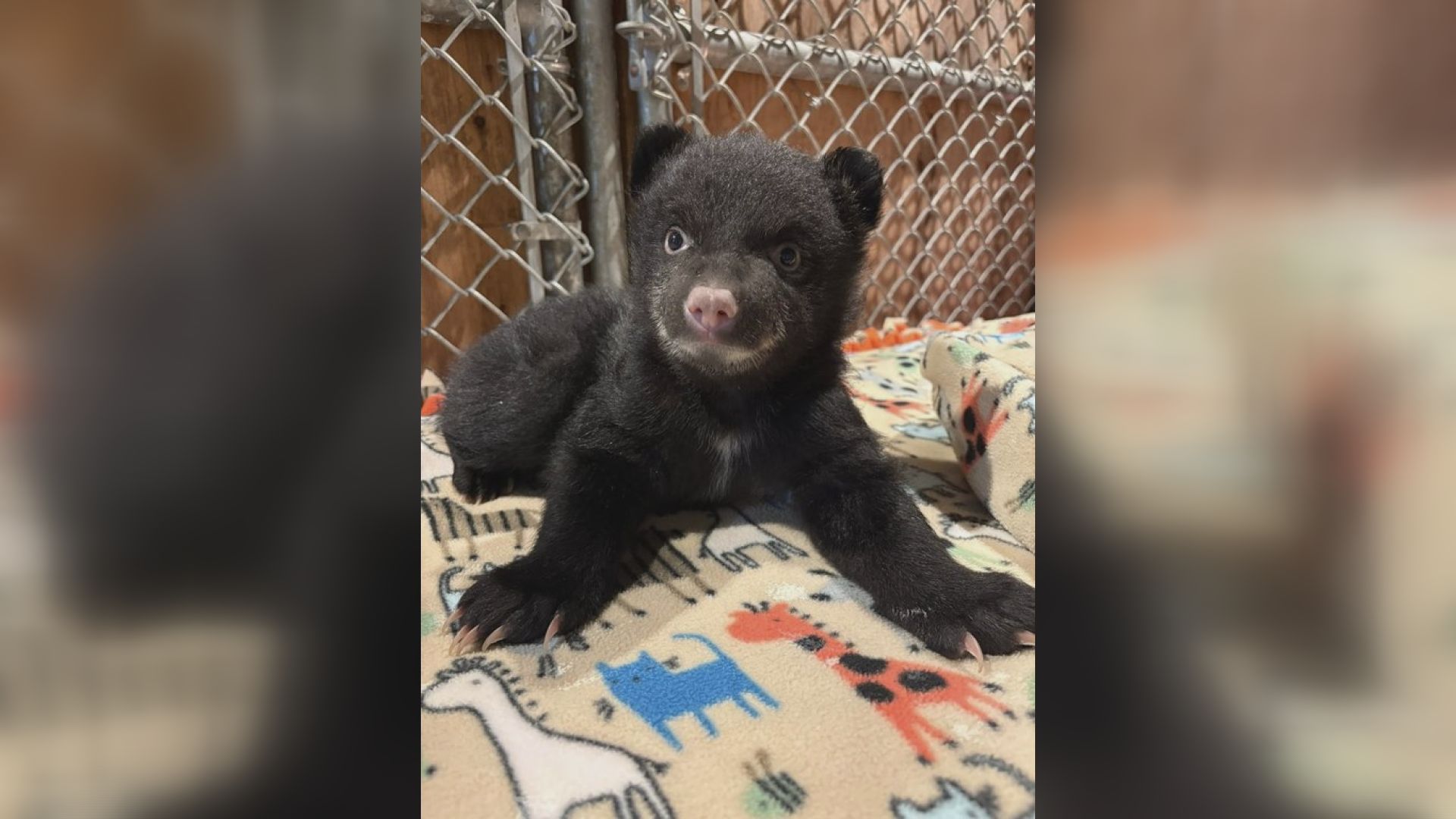
We love a good rescue story. It’s the ultimate PR win for conservation groups: a dead mother bear, a handful of wide-eyed, fuzzy orphans, and a fleet of vans rushing to "save" them. On Vancouver Island, this script plays out like clockwork. The public cries, the donations pour in, and we pat ourselves on the back for being the "stewards of nature."
It’s a lie.
What we are actually doing is interfering with natural selection to satisfy a human emotional itch. We aren't saving an ecosystem; we are running an expensive, high-stakes daycare for animals that nature already voted off the island. If that sounds cold, it’s because biology doesn't care about your feelings.
The Sentimentality Trap
The standard narrative suggests that every bear cub rescued is a victory for the species. This ignores the basic math of the wild. Vancouver Island has one of the densest black bear populations in the world. They aren't endangered. They aren't even struggling. In fact, in many regions, they are reaching the limits of their carrying capacity—the maximum number of individuals an environment can sustain without degrading.
When a mother bear dies and her cubs are "saved" by a rehab center, we aren't helping the population. We are artificially inflating it. In a high-density environment, the survival of those cubs was already a coin toss. By removing them, feeding them in a cage, and dropping them back into the woods a year later, we are dumping "soft" bears into a brutal hierarchy.
These yearlings lack the nuanced, location-specific survival skills taught by a mother. They are essentially suburban kids dropped into a war zone. If they survive, they often do so by seeking out the easiest calories: your trash, your garage, and your backyard.
Rehabilitation is a Human Ego Project
Wildlife rehabilitation is a multi-million dollar industry built on the optics of empathy. I have spent years watching how these organizations operate, and the internal logic is often skewed. The goal isn't "biological fitness"; the goal is "release."
Consider the cost. It can cost thousands of dollars to rehab a single cub. That money goes toward specialized formula, high-security enclosures, and veterinary staff. If you took that same $10,000 and invested it into large-scale habitat protection or corridor connectivity, you would save hundreds of animals—from salamanders to elk—over several decades.
Instead, we blow the budget on the "charismatic megafauna" because a picture of a bear cub in a blanket gets more clicks than a picture of a protected wetland. We are choosing individuals over the collective health of the biome. It’s an inefficient, ego-driven way to manage the planet.
The Genetic Reality Check
Nature is a ruthless editor. When a sow dies, her offspring’s survival is the ultimate test of the genetic line. Maybe she died because she made a poor choice in territory. Maybe she lacked the instinct to avoid human-dominated areas. By bypassing the consequences of those traits, we are potentially weakening the gene pool.
In a truly wild setting, the death of a mother and the subsequent loss of her cubs provides a windfall for the rest of the forest. Scavengers—ravens, wolves, cougars, and even other bears—benefit from that biomass. By "rescuing" the cubs, we are literally stealing food from the mouths of other wildlife to satisfy our own need to feel like heroes.
The Conflict Loop
We need to talk about the "Problem Bear" pipeline.
When a bear is raised by humans, even under strict "no-contact" protocols, it loses a fundamental edge of fear. It associates the scent of humans, the sound of engines, and the presence of structures with safety and food.
Studies on black bear translocation and release show a depressing trend: released rehab bears have a significantly higher chance of becoming "conflict bears." They don't know where the best berry patches are, but they definitely know where the nearest dumpster is.
When a "rescued" bear ends up being shot by a conservation officer three years later because it broke into a kitchen in Tofino, was it actually saved? No. It was just given a stay of execution and a very expensive final meal. We didn't solve a problem; we delayed it and made it someone else’s nightmare.
The Hard Truth About Carrying Capacity
Imagine a scenario where every single orphaned cub on Vancouver Island is successfully reared and released. In a saturated habitat, those bears must compete with established adults for territory.
- Territorial Displacement: Older, larger boars will kill or drive off these newcomers.
- Resource Depletion: High densities lead to over-browsing, affecting the health of the entire forest.
- Disease Spreading: Dense populations are breeding grounds for parasites and illnesses that wouldn't normally take hold in a leaner, meaner population.
By insisting on a 100% survival rate, we are actually threatening the long-term stability of the black bear population. We are creating a crowded, stressed, and conflict-prone environment.
Stop Asking the Wrong Question
The public always asks: "How can we save these cubs?"
The better question is: "Why are we so afraid of death in the woods?"
Death is the engine of the wilderness. It is the filter that ensures only the strongest, smartest, and most adaptable animals pass on their traits. When we treat the forest like a Disney movie, we strip it of its dignity. We turn wild animals into wards of the state.
If we actually cared about Vancouver Island's bears, we would stop obsessing over the three orphans in the news and start obsessing over the logging practices that destroy their winter dens. We would fight for stricter regulations on industrial expansion into the backcountry. We would stop building luxury "wilderness retreats" in the middle of prime foraging territory.
But those things are hard. They require political will and personal sacrifice. It's much easier to write a check to a rehab center and watch a video of a cub eating a bowl of apples.
The Path Forward: Radical Non-Intervention
The most pro-wildlife stance you can take is to leave it alone.
This isn't an argument for cruelty; it’s an argument for respect. A bear is not a dog. It doesn't need our help to be a bear. If it dies, it serves a purpose in the cycle of life. If it survives on its own, it has proven its worth to the ecosystem.
We need to dismantle the "Wildlife Industrial Complex" that prioritizes the survival of the individual over the health of the species. We need to stop rewarding organizations that spend vast sums of money on low-impact rescues while the actual habitat disappears behind them.
The next time you see a headline about "rescued" cubs, don't celebrate. Ask how many thousands of dollars were wasted on a feel-good project that will likely result in a nuisance bear three years down the line. Ask why that money wasn't spent buying back timber licenses.
Nature doesn't need a savior. It needs us to get out of the way. Stop "saving" the bears and start respecting the brutal, beautiful efficiency of the wild. If we can't handle the sight of a cub failing to survive, then we don't deserve the wilderness at all.