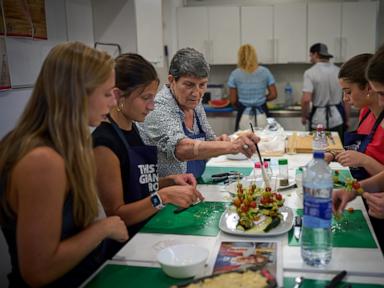
The media loves a cozy narrative. Put an octogenarian in an apron, hand her a wooden spoon, and watch the headlines write themselves. We are fed a steady diet of feel-good stories about elderly women in Barcelona dishwashing away loneliness, finding purpose, and healing their souls through the sacred magic of communal cooking. It plays well on social media. It wins awards. It makes us feel warm inside about the human condition.
It is also largely a romanticized fiction that misses the entire point of what is actually happening in those kitchens. Read more on a related topic: this related article.
For years, lifestyle journalists have trotted out the same lazy consensus: that older adults simply need a hobby, a dash of socialization, and a pinch of culinary nostalgia to cure the modern epidemic of isolation. This narrative treats seniors like passive recipients of charity wrapped in flour and dough. It frames the kitchen as a therapeutic sandbox rather than a high-pressure commercial engine or a rigorous cultural preservation site.
Let us dismantle the feel-good fluff. Additional reporting by Glamour delves into similar views on the subject.
The Economics of Nostalgia
Strip away the soft-focus camera lenses and the gentle acoustic background music. What looks like a cozy social club is often an unpaid or undercompensated labor pipeline capitalizing on generational talent under the guise of therapy. When we frame cooking programs for seniors primarily as a mental health intervention, we infantilize the practitioners. These are not cute grandmas passing the time because they have nothing better to do on a Tuesday afternoon. They are skilled culinary technicians with decades of kitchen reps, knife skills, and flavor memory that outstrip any culinary school graduate fresh out of a certificate mill.
I have watched organizations market these initiatives as purely charitable endeavors designed to nourish the soul of the elderly cook. That framing is a cop-out. It allows institutions to bypass fair compensation structures by rebranding hard labor as holistic wellness. If an 80-year-old woman is standing on her feet for four hours teaching tourists how to laminate puff pastry or knead pasta dough, she is producing economic value. Call it what it is: professional instruction.
The lazy consensus assumes that older people want to cook simply to feel connected. The truth is that many of them want to cook because they demand mastery, precision, and respect for their craft. When you reduce their presence to a heartwarming photo opportunity, you strip them of their professional dignity.
Redefining the Kitchen Floor
People love to ask whether community cooking classes solve urban loneliness for retirees. The premise of the question is flawed from the jump. It assumes that loneliness is the root problem and that a pot of simmering escudella is the antidote.
Loneliness is a symptom of a fractured social fabric, not an excuse to turn commercial kitchens into senior day care centers disguised as cultural immersion.
If you want to understand why these programs succeed, look at the discipline, not the hugs. Real culinary transmission is brutal. Ask any chef who spent formative years under a demanding taskmaster. Grandmothers in traditional Mediterranean households were never soft culinary instructors; they were domestic autocrats who demanded exact measurements, perfect timing, and total respect for ingredients. The idea that they suddenly transform into benevolent, endlessly patient saints the moment they step into a public workshop is insulting to their actual histories.
When you participate in these sessions, the real magic does not happen because everyone sings kumbaya over a paella pan. It happens because the instructor corrects your knife grip with the speed and severity of a Marine drill instructor. That is where the actual nourishment lives. It lives in competence, not comfort.
The Cost of Our Comfort Food Obsession
There is a dark side to this relentless fetishization of domestic amateurism. By elevating the untrained or informally trained home cook to mythological status, we devalue the rigorous, exhausting mechanics of professional food production.
Restaurants operate on margins so thin they resemble paper cuts. When lifestyle blogs celebrate community kitchens as the ultimate model for food culture, they ignore the systemic failures in our actual food distribution and elder-care economies. Handing someone a wooden spoon does not fix a broken pension system. Teaching a retiree how to roll croquettes does not substitute for universal healthcare or robust social safety nets.
We use these feel-good stories as emotional pacifiers. Whenever economic inequality or social isolation in major European cities gets too uncomfortable to look at, the press finds a photogenic abuela making sofrito and tells us everything is fine.
It is not fine. It is a band-aid on a structural fracture.
How to Actually Respect Culinary Elders
If you want to support older culinary traditions without falling for the trap of performative sentimentality, change how you engage with them.
First, pay them like masters. Stop accepting the premise that teaching cooking is a volunteer-adjacent activity for people with extra time. If an elder holds the keys to a disappearing regional recipe, compensate that knowledge at market rate.
Second, drop the patronizing tone. When reporting on these programs, stop using adjectives like adorable, sweet, or tiny. Use terms like precise, experienced, and authoritative. Respect their craft the way you would respect a master carpenter or a concert pianist.
Third, recognize that cooking is hard work. It requires physical stamina, sensory acuity, and mental sharpness. Pretending it is a gentle pastime for the golden years ignores the physical toll it takes on aging bodies.
The next time you read a heartwarming profile about seniors finding nourishment in a bustling kitchen, look past the flour on the apron. Look at the technique. Look at the demand for excellence. That is where the real story resides. Everything else is just marketing.