The narrative is as predictable as it is exhausting. A Western superpower pulls its funding, a regional health system "buckles," and the headlines scream about a humanitarian catastrophe. We are told the Mideast is a helpless victim of shifting political winds in Washington. This is a lie.
The collapse isn't caused by the withdrawal of U.S. dollars. The collapse is caused by the addiction to them.
When we talk about Mideast health systems—specifically in areas like the Palestinian territories or Lebanon—we aren't talking about sovereign, self-sustaining infrastructures. We are talking about subsidized petri dishes. For decades, billions in aid have flowed into these regions, creating a perverse incentive structure where local governments have zero reason to build tax-based, sustainable medical systems. Why bother with the hard work of civil engineering and fiscal responsibility when you can just wait for the next NGO check?
The "helplessness" cited by health officials in these regions isn't a medical crisis. It is a withdrawal symptom.
The Aid Trap: Building on Sand
Most people look at a hospital closing due to budget cuts and see a tragedy. I see a structural inevitability.
If your entire oncology department depends on the political whims of a subcommittee in D.C., you don't have a health system. You have a pop-up clinic with better branding. The fundamental mistake of the "humanitarian" industry is prioritizing immediate throughput over long-term resilience.
- External dependency: When 40% or more of a health budget comes from foreign grants, the "patient" isn't the person in the bed. The patient is the donor.
- Brain Drain: Aid money often funds high-level Western-style facilities that the local economy cannot support. When the money dries up, the best surgeons leave for Dubai or London.
- Infrastructure Overhang: It is easy to build a gleaming wing with USAID money; it is nearly impossible for a fractured local government to pay the electricity bill for it ten years later.
I have watched NGOs dump millions into specialized equipment in Ramallah and Gaza that sits idle because there isn’t enough consistent power to run the cooling systems. We are building Ferraris for people who don’t have roads, and then acting shocked when the cars break down.
The Myth of the "Sudden" Collapse
The competitor articles love the word "buckle." It implies a sudden, unforeseen snap.
There is nothing sudden about it. These systems have been in a state of terminal decline for twenty years, masked by the artificial respirator of foreign capital. By stepping in to fill every budget gap, the international community has allowed local leadership to abdicate their primary responsibility: the welfare of their own citizens.
Instead of building a tax base or a national insurance scheme, these regimes spend their internal revenue on "security"—a polite word for patronage networks and weapons—while outsourcing their "social" responsibilities to the UN and the U.S. State Department.
If you want to know why the Mideast health system is failing, don't look at the U.S. Treasury. Look at the local ministries that view health as a discretionary expense.
The Math of Mismanagement
Let’s look at the actual mechanics of how this money is spent. In a standard aid-heavy environment, the cost per patient is often double or triple what it would be in a self-sustaining middle-income country.
Why? Because aid money is "expensive" money. It comes with strings, reporting requirements, and the need for international consultants who take their $200,000 salaries off the top.
Imagine a scenario where a local clinic needs $50,000 for basic antibiotics.
- The grant application costs $10,000 in administrative labor.
- The "oversight" committee requires a Western auditor at $15,000.
- The procurement must be done through approved (often Western) vendors at a 20% markup.
By the time the medicine hits the shelf, the "aid" has been eaten by the machinery of the aid industry itself. When the U.S. cuts that funding, they aren't just cutting medicine; they are cutting the life support for a bloated, inefficient bureaucracy that prevents local solutions from ever taking root.
Stop Asking for More Money
The "People Also Ask" section of the internet is full of queries like "How can we save Mideast healthcare?"
The answer is brutal: Stop trying to save it from the outside.
Every dollar of "emergency aid" pushed into a corrupt or dysfunctional system acts as a stay of execution for the status quo. It prevents the necessary, painful reform that happens when a government realizes it actually has to provide for its people or face an uprising.
We see this in Lebanon. The healthcare system didn't fail because of a lack of talent or a lack of money. It failed because the banking sector was a Ponzi scheme and the political class used the health ministry as a piggy bank. Giving Lebanon more "health aid" right now is like giving a gambler a loan to pay off his bookie. It doesn't fix the habit; it just funds the next bet.
The Hard Path to Sovereignty
If we actually cared about the lives of people in these regions, we would stop the cycle of "crisis and cash."
True medical sovereignty requires three things that no NGO wants to talk about:
- Strict Fiscal Separation: Health budgets must be ring-fenced from "security" spending. If a government can afford rockets, it can afford insulin.
- Localized Manufacturing: The Mideast has the intellectual capital to produce its own generics. Why are we still shipping basic pills from Europe? Because the aid agreements often mandate it.
- The End of the NGO Parallel State: In many of these regions, the UN operates a shadow government. This kills the legitimacy of the local state. You cannot build a nation when the "best" healthcare is provided by a blue-helmeted foreigner.
The Professional Guilt Trip
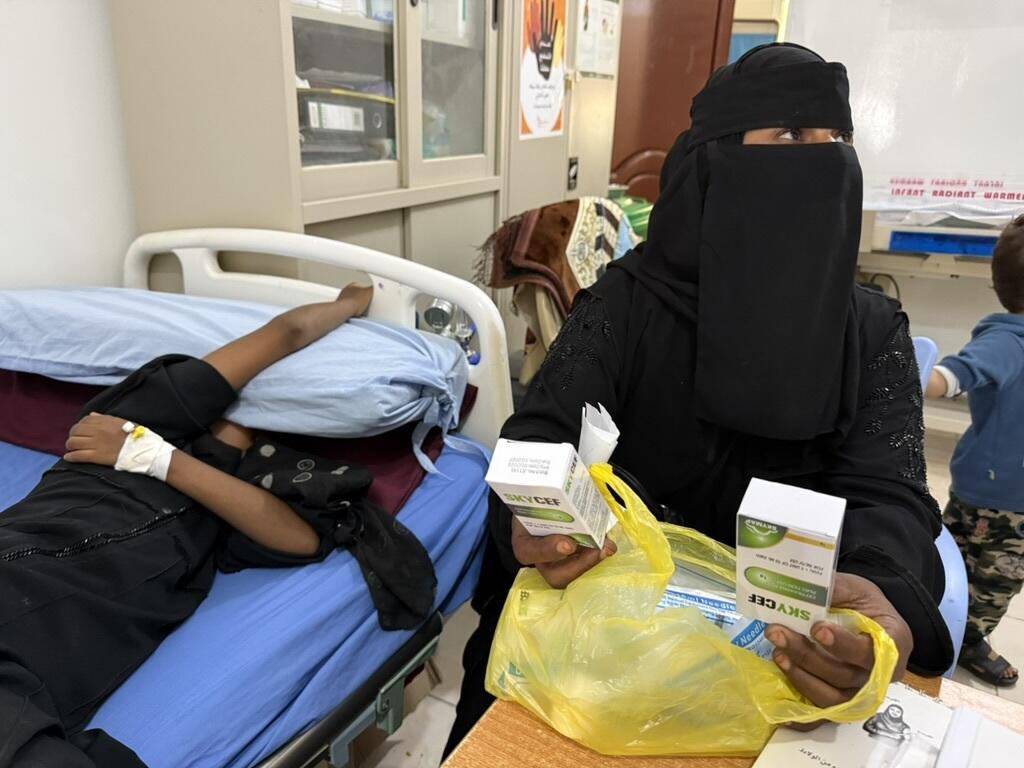
The media uses "helplessness" as a cudgel to induce guilt in Western taxpayers. They show you a crying mother and a doctor with an empty syringe. It is effective theater, but it’s bad policy.
That doctor is empty-handed because his government knew the West would feel guilty enough to send a plane-load of supplies eventually. We have conditioned these systems to be failures. We have taught them that incompetence is rewarded with a fresh infusion of capital.
I've been in the rooms where these deals are made. I’ve seen the "battle scars" of auditors trying to track where the money goes, only to find it vanished into a "consultancy" owned by a minister's cousin. The "cuts" aren't the problem. The "cuts" are the only thing that might finally force a moment of clarity.
The Brutal Reality
We have to stop treating the Middle East like a permanent charity case.
The medical professionals in these regions are some of the most resilient, talented people on earth. They don't need our "pity" or our "rescue." They need their own governments to stop stealing their futures, and they need the West to stop enabling that theft through the "humanitarian" shroud.
If a system "buckles" because one country stops paying the bills, that system was a ghost. It never truly existed.
The most "pro-health" thing the U.S. can do is stay out of the way and let these nations face the reality of their own balance sheets. Growth only happens in the absence of a crutch.
Stop mourning the end of the subsidy. Start demanding the beginning of accountability.
Build a system that can stand on its own, or get out of the way of the one that will.