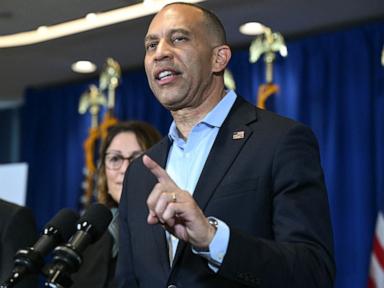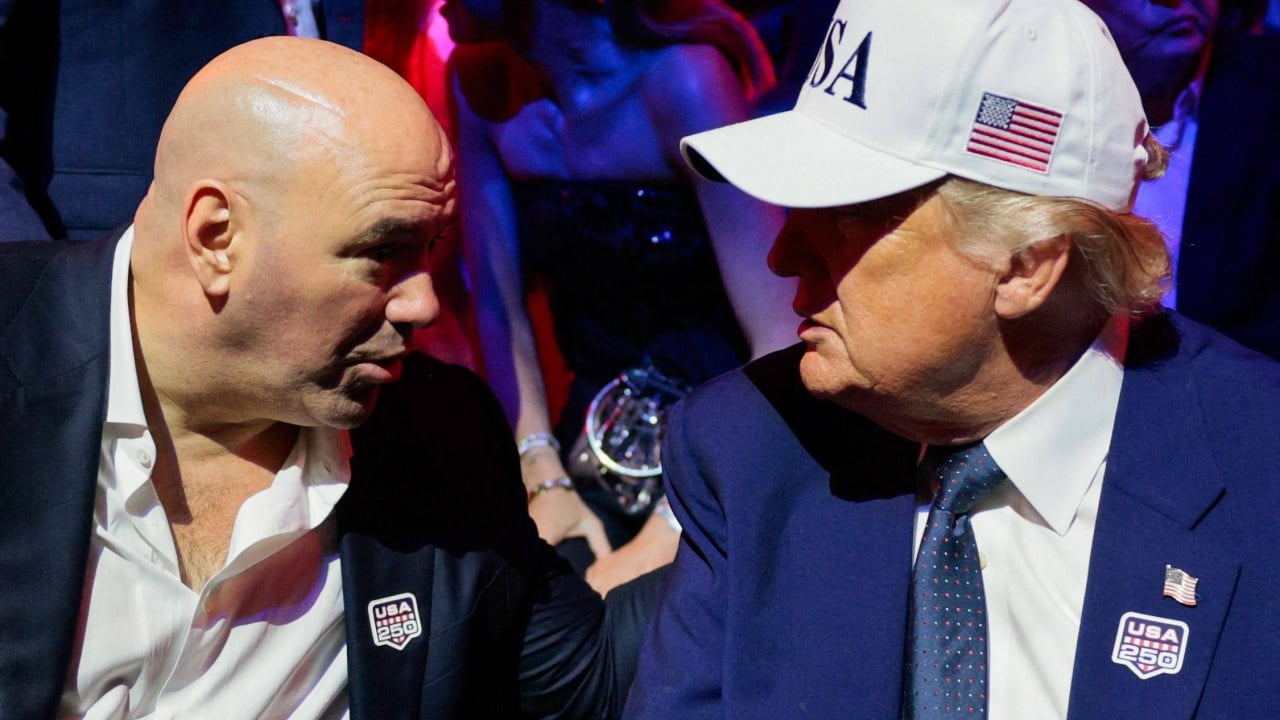
The beltway media class is having a collective aneurysm over the idea of Dana White standing behind the James S. Brady Press Briefing Room podium. They see a bald, red-faced fight promoter who drops F-bombs on live television and think the republic is collapsing into a clown show.
They are wrong. Completely, utterly, laughably wrong.
If you look past the pearl-clutching of legacy pundits, Donald Trump floating Dana White as a potential White House press secretary isn't a punchline. It is a calculated tactical nuke aimed straight at the decaying architecture of modern political communications. The mainstream press views the briefing room as a sacred cathedral of civic accountability. White views it as an outdated pay-per-view prelim that nobody is paying to watch anymore. And in 2026, his model is winning while theirs is laying off staff every Tuesday.
I have spent two decades watching corporate crisis managers and political flacks light millions of dollars on fire trying to "control the narrative" using playbooks written during the Clinton administration. They obsess over sanitized talking points, polite pivots, and off-the-record background whispers with reporters whose actual reach has shrunk to a few thousand Beltway insiders on X. Meanwhile, Dana White took a bankrupt, banned-from-cable bloodsport in 2001 and turned it into TKO Group Holdings, a multi-billion-dollar publicly traded juggernaut that routinely outperforms traditional sports leagues in key male demographics.
You don't pull off that kind of commercial resurrection by being bad at messaging. You do it by understanding attention economics better than the people paid to cover you.
The Lazy Consensus of the Beltway Press Corps
The standard critique from Washington insiders goes something like this: A press secretary needs deep policy fluency, diplomatic restraint, and respect for institutional norms. Dana White has none of these. Therefore, he would be a disaster.
This argument collapses the second you examine what the White House press secretary role has actually become over the last fifteen years.
Let's define the job honestly. Historically, figures like James Brady or Marlin Fitzwater served as genuine conduits of granular policy information between the executive branch and a press corps that held a monopoly on public distribution. If you wanted to reach the American voter, you had to go through the three major broadcast networks, the New York Times, and the Washington Post. Pissing off that room meant cutting off your own oxygen supply.
That monopoly is dead.
Today, the daily White House press briefing is rarely about policy extraction. It is a televised theater of mutual antagonism. Reporters ask loaded, viral-bait questions designed to generate a 15-second clip for their network's evening broadcast or their personal Substack. Press secretaries recite pre-cleared, focus-grouped non-answers designed to survive the news cycle without creating a gaffe. Nobody learns anything. Nobody changes their mind. Both sides walk away claiming victory to their respective echo chambers.
When pundits clutch their pearls over White’s lack of "decorum," they are defending a corpse. They are mad because White wouldn't play the rigged, polite game that keeps their access relevant.
Why Fight Promotion Is the Ultimate Political Communications Training
If you strip away the octagon, the ring girls, and the sponsorships, what is a fight promoter's actual job?
It is pure, unadulterated narrative warfare.
A promoter takes two human beings, manufactures an existential conflict between them, bypasses skeptical gatekeepers, and convinces millions of people to part with $80 of their hard-earned money on a Saturday night. To survive at the top of combat sports—a notoriously corrupt, fragmented, and ruthless industry—you cannot rely on polite institutional deference. You have to master four distinct skills that modern political operatives desperately lack.
1. Radical, Unfiltered Framing
In Washington, when a scandal breaks, communications directors deploy the "strategic ambiguity" playbook. They issue a passive-voice statement acknowledging that "mistakes were made" and promise an internal review. The media smells blood, circles for three weeks, and bleeds the administration dry through death-by-a-thousand-leaks.
Dana White uses the exact opposite tactic: aggressive, immediate preemption.
When a UFC fighter misses weight, gets arrested, or pops for a banned substance, White doesn't hide behind a lawyer's statement. He walks up to a scrum of microphones ten minutes later, calls the guy an idiot to his face on camera, explains what happens next, and moves on. By owning the ugly truth immediately and framing it in plain English, he robs the press of the ability to "expose" it over the next news cycle. You can't investigate a guy who just confessed louder than your headline.
2. Bypassing the Gatekeepers
Long before political campaigns figured out that podcast appearances moved the needle more than Sunday morning talk shows, White was weaponizing alternative media. During the COVID-19 lockdowns, when mainstream sports journalists called him reckless and demanded the UFC shut down, White didn't beg ESPN or the New York Times for fair coverage. He went straight to Joe Rogan, Pat McAfee, and the Nelk Boys. He bought an island in Abu Dhabi, built "Fight Island," and broadcast live events while every other major league sat dark.
The legacy media wrote hit pieces. The audience watched the fights. White understood a fundamental rule of modern communication: distribution beats validation. You do not need the approval of the credentialed class if you own a direct pipeline to the consumer's eyeballs.
3. Weaponizing Hostile Questions
Watch a standard post-fight UFC press conference. White stands at the podium, points at a reporter who just wrote a scathing article about fighter pay or unionization, and doesn't dodge the question. He attacks the premise of the question, challenges the reporter's credentials, and turns the exchange into viral content that gets clipped and shared across TikTok and Instagram millions of times.
Imagine that exact dynamic inside the Brady Briefing Room.
A network correspondent stands up and asks a multi-part, sanctimonious question designed to trap the administration in a contradiction. A traditional press secretary stares down at a massive binder, flips through color-coded tabs, and reads a stilted paragraph written by a 26-year-old deputy assistant. The clip dies on the vine.
White would look the correspondent dead in the eye, tell them their premise is garbage, explain why the administration is doing what it's doing in three brutal sentences, and call on a podcaster in the back row. Within twenty minutes, that clip would have ten million views. The administration's message wouldn't just survive the briefing; it would dominate the entire digital ecosystem before the evening news even aired.
4. Relentless Repetition Without Apology
Political consultants are terrified of sounding repetitive. They constantly tweak slogans, soften edges, and pivot to whatever the morning focus group says is polling well.
Fight promoters know that human beings are distracted, busy, and cynical. You have to hammer the exact same simple, visceral message a thousand times until it penetrates the noise. White has repeated the exact same core value proposition for the UFC—"the best fighting the best"—for a quarter century, even on nights when the matchmaking clearly didn't live up to it. He never flinches, never apologizes for his product, and never lets critics define his brand.
Answering the Questions Nobody Wants to Touch
When rumors like this hit the wire, search engines light up with variations of the same predictable questions. Let's dismantle them honestly instead of giving you the sanitized political science textbook answers.
Is Dana White actually qualified to be White House Press Secretary?
If your definition of "qualified" means knowing the exact statutory language of a Senate appropriations bill or navigating the delicate protocol of a G7 summit readout, no. He isn't qualified, and pretending otherwise is dishonest. If your definition of "qualified" means commanding attention, dismantling hostile narratives in real time, and communicating directly with working-class voters who haven't watched cable news since 2014, he is vastly more qualified than any Ivy League communications director currently sitting in Washington.
Would Dana White actually take the job?
Almost certainly not—and this is the massive blind spot in the media's panic. White is the CEO of a massive sports property, sits on the board of Meta, and makes tens of millions of dollars a year without having to answer to congressional oversight committees or ethics disclosures. Taking a $180,000-a-year government job where he has to wear a suit every day and submit to federal financial scrutiny makes zero commercial sense for him. Trump asking him publicly is a classic boss move: it flatters a loyal ally, signals to voters that Trump values toughness over bureaucratic polish, and trolls the press corps simultaneously.
What happens to the press corps if someone like White takes the podium?
The current hierarchy of the White House Correspondents' Association gets blown to pieces. For decades, front-row seats in the briefing room have been reserved for legacy outlets like the Associated Press, Reuters, CNN, and the New York Times. A promoter mindset doesn't care about legacy seating charts; it cares about reach and engagement. Under a White-style regime, those front-row seats would immediately be handed to independent journalists, massive podcast hosts, and digital creators with ten times the audience of the legacy networks. The old guard wouldn't be censored—they would simply be relegated to the back row, treated like regional bloggers begging for a credential.
The Brutal Reality of the Promoter Model (And Where It Fails)
I am not here to sell you a fairy tale where Dana White steps behind the podium and solves every communications problem in Washington. Anyone who tells you an aggressive, combative media strategy has zero downsides has never actually managed a real crisis.
There is a massive structural difference between selling a cage fight and governing a superpower.
In the UFC, if Dana White says something reckless about a fighter, a referee, or a state athletic commission, the worst-case scenario is a fine, a bruised ego, or a canceled bout. Nobody dies. Markets don't crash. Nuclear deterrence doesn't wobble.
Behind the White House podium, words carry sovereign weight.
If a press secretary shoots from the hip about interest rates, troop deployments in Eastern Europe, or trade tariffs with Beijing, algorithmic trading desks react in milliseconds. Billions of dollars in market value can evaporate before the press secretary finishes the sentence. Allies start panicking on secure phone lines. Adversaries test red lines to see if the rhetoric matches actual military posture.
The "promoter" style thrives on hyperbole, confrontation, and absolute certainty. Governance, by contrast, frequently requires strategic ambiguity, nuance, and leaving yourself an off-ramp when facts on the ground change.
Furthermore, the combative approach has a shelf life. When you turn every single press briefing into a cage match, you generate massive short-term engagement, but you also exhaust the public. Voters eventually tune out constant friction. Even the greatest fight promoters know you can't book a heavyweight title grudge match every single Tuesday afternoon; eventually, the audience becomes numb to the yelling, and the spectacle stops moving the needle.
If you deploy a sledgehammer for every routine policy announcement, you have nothing left in the trunk when an actual national emergency hits.
What Every Brand and Leader Should Steal From This Playbook
You don't have to like Donald Trump, and you don't have to like Dana White, to recognize why this story struck such a raw nerve. The visceral reaction from the political establishment is pure survival instinct. They see a guy who built an empire outside their permission structure, and they are terrified that his methods are about to render their entire profession obsolete.
Whether White ever sets foot in the West Wing is irrelevant. The tectonic plates have already shifted. If you run a company, lead an organization, or manage a public reputation in 2026, clinging to the polite, institutional communications playbook is professional suicide.
Here is what you need to do instead:
- Stop optimizing for hostile gatekeepers. Stop wasting time and money trying to win over critics, trade journalists, or industry insiders who have a vested interest in seeing you fail. Speak directly to your customers, your employees, and your audience using platforms you control.
- Kill the corporate passive voice. When you screw up, admit it immediately in plain, human language. Say what happened, say who is responsible, and state how you are fixing it. Lawyers hate this advice because it creates liability; communications experts know it saves brands because it preserves trust.
- Treat attention as a scarce asset, not a right. Nobody owes you their time. If your messaging is boring, overly cautious, or buried in jargon, the algorithm will bury you alive. Have a clear, sharp point of view, and be willing to defend it without flinching.
- Know when to put the sledgehammer down. Be ruthless with bad-faith critics, but never confuse volume with strategy. Save your sharpest rhetoric for the moments that actually define your core mission, and let the petty noise die on its own.
The legacy media keeps waiting for politics to return to the quiet, decorous norms of the 1990s. They are waiting for a train that isn't coming. Dana White doesn't need to take the press secretary job to prove his point—the fact that Washington is losing its mind over the mere possibility means he has already won the fight.