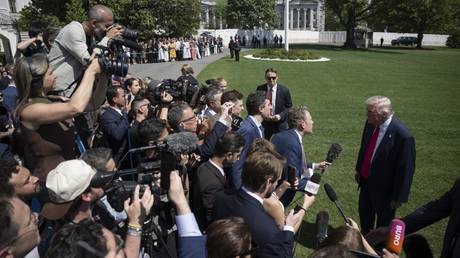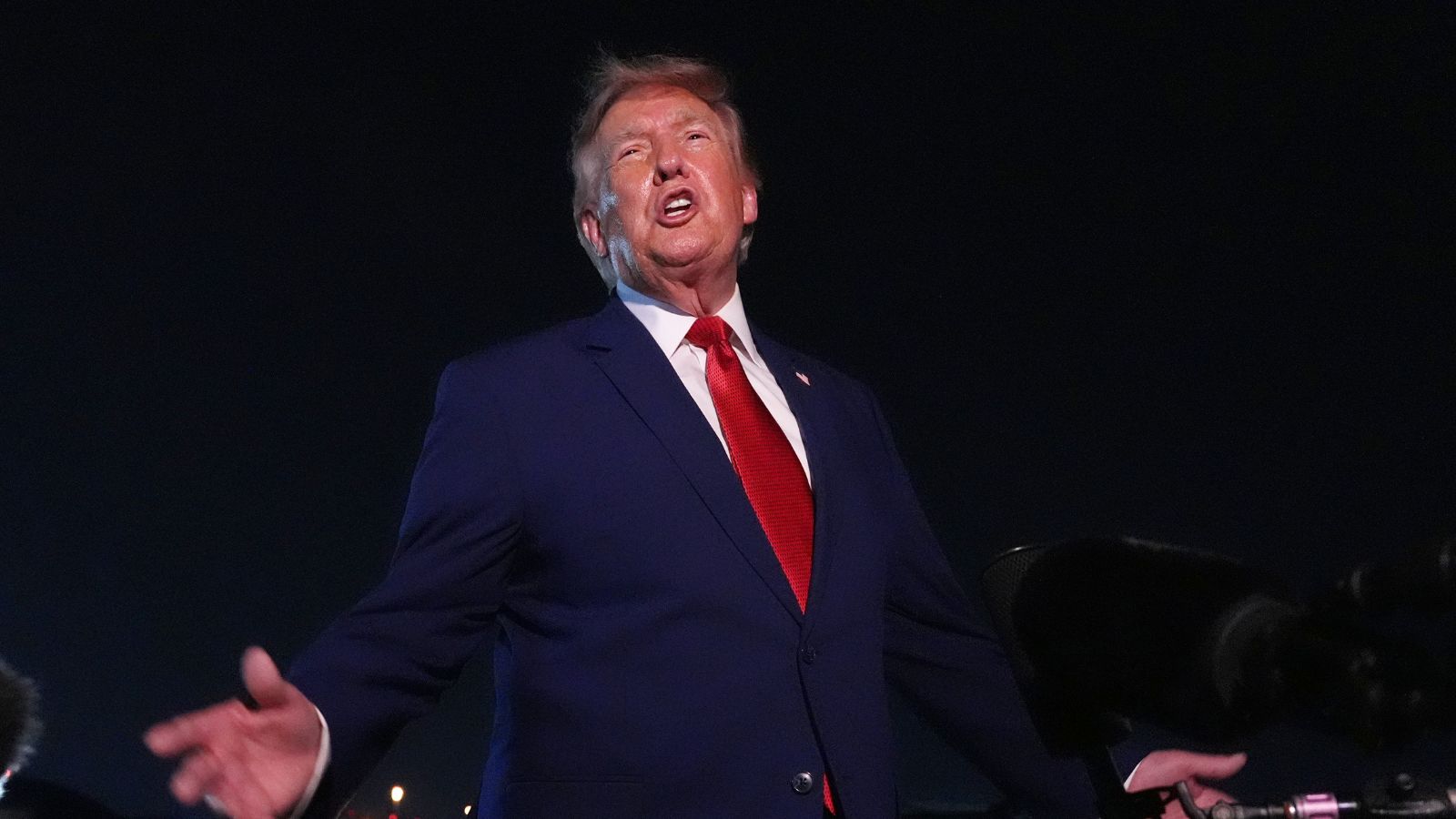
The Strait of Hormuz is the world's most critical energy chokepoint, and right now, Washington and Tehran are locked in a fierce contest over who actually runs it. US President Donald Trump stood at Joint Base Andrews and told reporters that the United States holds total control over the waterway, declaring that Washington "owns it." You need to understand why this matters. Roughly a fifth of the world's petroleum passes through this narrow passage every single day. When tensions spike here, gas prices jump globally within hours.
Trump did not mince words about his lack of faith in Iranian leadership. "I don't trust Iran," he stated bluntly, pointing to ongoing friction over naval blockades and stalled negotiations. He also claimed that Tehran is no longer the "bully of the Middle East," pointing to the heavy toll of the ongoing military confrontation that began back in late February. Iranian state media and officials have fired back, blaming Western military aggression for the maritime crisis while talks continue behind closed doors through regional mediators like Oman.
The Energy Stakes Behind the Naval Blockade
Why should you care about a patch of water thousands of miles away? Because energy markets hate uncertainty. The ongoing closure and strict naval checks have disrupted commercial shipping routes to their core. US Central Command has enforced a tight blockade, rerouting dozens of container ships and intercepting vessels attempting to bypass restrictions.
Data from the US Energy Department shows regional oil flows hovering around fifteen million barrels per day when pipeline shipments are factored in. But the seven-day average for direct exports leaving the Strait itself sits near nine million barrels. That gap represents billions of dollars in delayed commerce, squeezed refinery margins, and jittery financial markets.
Iran's newly structured military command, under Supreme Leader Ali Khamenei's latest defense appointments, shows no sign of backing down easily. Hardliners in Tehran are signaling a tough stance, insisting that the waterway cannot return to normal business without major concessions from Washington. Yet, Washington insists its naval dominance leaves Iran with very few cards left to play.
What Happens When Superpowers Clash Over Maritime Routes
History proves that control over narrow shipping lanes dictates global economic power. Think back to the Suez Canal or the Strait of Malacca. When a single choke point gets squeezed, supply chains break.
The standoff has forced shipping companies to reroute cargo, burn extra fuel, and pay skyrocketing insurance premiums. If you are tracking inflation, shipping costs through the Middle East act as a direct tax on consumer goods worldwide. Every day the standoff drags on, manufacturing costs tick upward.
Tehran argues that its historical rights to the waterway have been violated by unjust sanctions and military strikes. Meanwhile, Washington maintains that its naval presence is the only guarantee for free-flowing international trade.
Keep an eye on the diplomatic backchannels involving regional intermediaries. Until a formal transit agreement replaces the current naval standoff, expect volatile energy markets and high-stakes posturing from both sides.