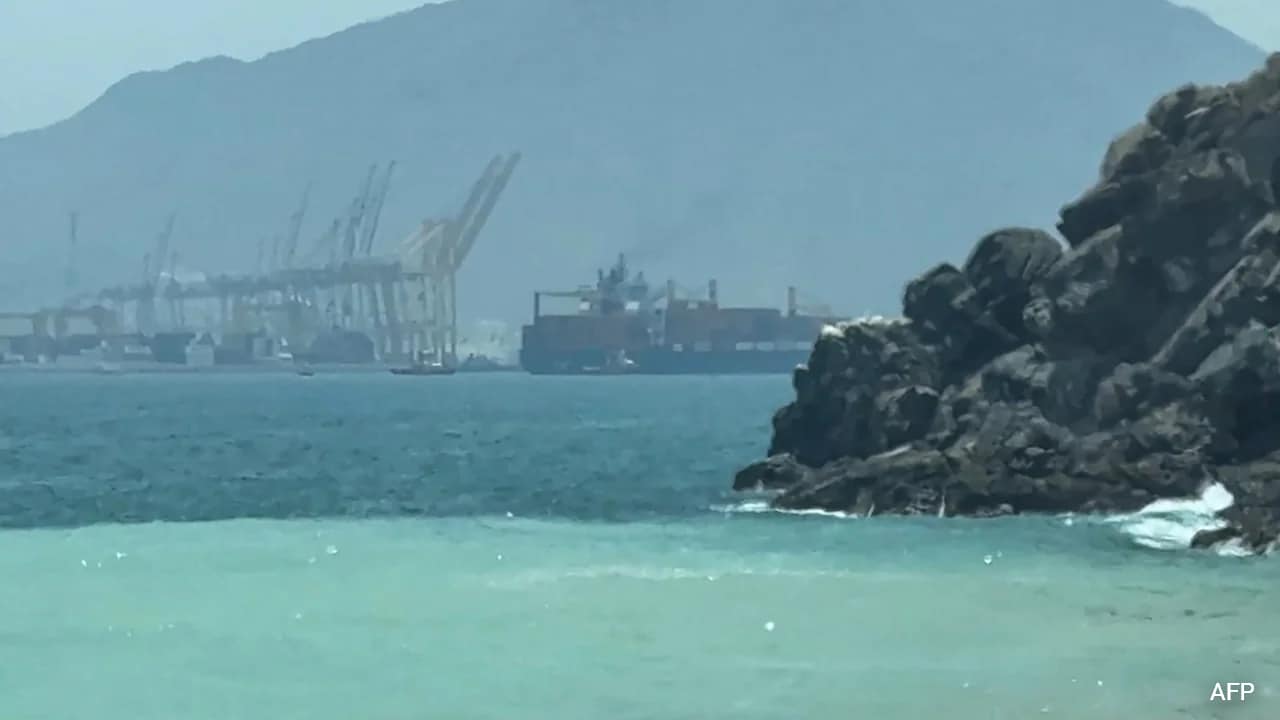
The global energy supply chain is hanging by a thread, and most people don't realize how close we actually are to a severe fuel crunch. When the United Kingdom Maritime Trade Operations issued urgent alerts regarding commercial vessels coming under fire in the Strait of Hormuz, it wasn't just another routine security brief. It was a flashing red light for international shipping.
Every single day, a massive portion of the world's petroleum passes through this narrow maritime chokepoint. When tankers get hit by unidentified projectiles or run into regional blockfires, the shockwaves hit pump prices instantly. Let's break down what's actually happening on the water and why the current naval chess match matters to you.
The Reality of Chokepoint Security
You can't just reroute supertankers the way you divert a semi-truck on a highway. The geography of the Persian Gulf leaves commercial vessels with very few options. When regional actors and Western navies trade strikes—such as recent flare-ups near Qeshm Island and escalating drone activity across the Gulf—merchant crews pay the price.
Insurance rates for Gulf transits have skyrocketed. Crew members are facing unprecedented risks, with several recent incidents resulting in engine room fires, structural damage, and missing personnel. Shipping companies are caught in an impossible squeeze between mandatory delivery timelines and the stark reality of active naval skirmishes.
Decoding the Market Impact
Energy markets react violently to uncertainty. Brent crude futures jump every time a maritime agency pings a new strike alert. Even when physical oil supplies haven't completely dried up, the sheer cost of maritime insurance, military escorts, and delayed cargo creates an artificial bottleneck.
If you're watching energy inflation, don't just look at crude production quotas out of OPEC. Look at the insurance premiums for vessels entering Omani and Iranian territorial waters. That's the real barometer of supply chain health.
Navigating the New Normal
Supply chain managers and logistics operators are being forced to rethink risk management from scratch. Relying on historical safety margins in the Middle East is no longer viable. Companies are investing heavily in real-time telemetry, private security contractors, and alternative overland pipelines where available.
The situation in the Gulf remains volatile, and anyone tracking global economics needs to keep a close eye on maritime advisories rather than waiting for mainstream headlines to catch up.
Hormuz Shock: Two Oil Tankers Hit By 'Unidentified Projectiles', UK Maritime Agency Says
This video provides an on-the-ground news breakdown of the UK Maritime Trade Operations alerts and the immediate fallout for tankers transiting the Strait of Hormuz.