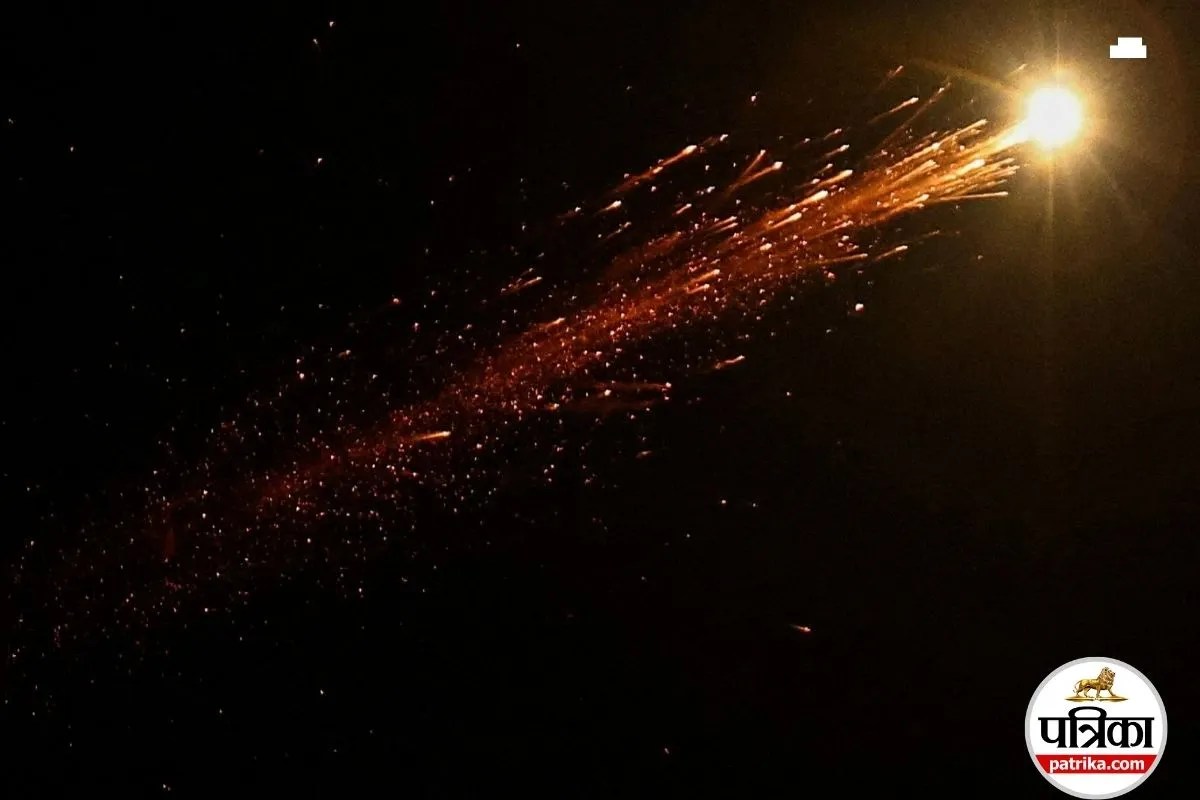
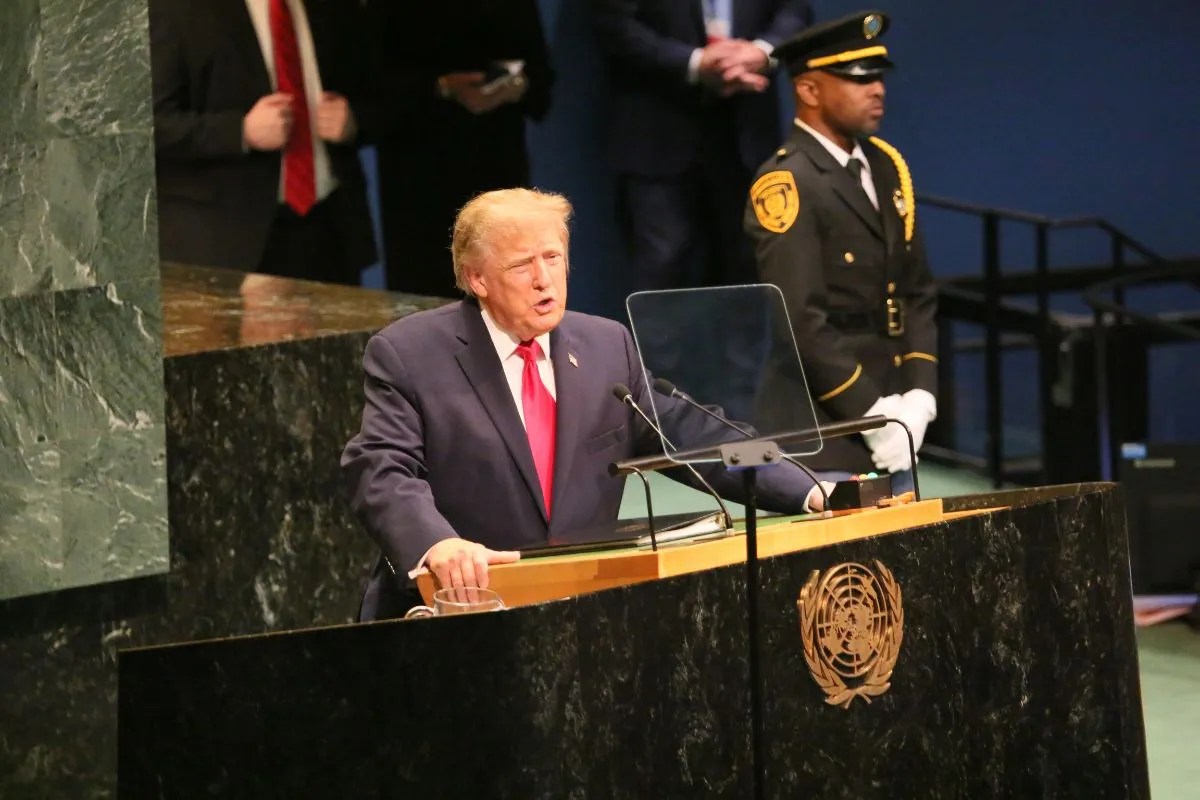
Every major news network loves a good gunboat diplomacy headline. Show pictures of naval patrols, highlight explosions near Iranian waters, quote a bombastic presidential soundbite about having "good talks" with a delegation, and watch the web traffic roll in. It makes for fantastic political theater. It also completely misses why global energy markets are bleeding out.
The lazy consensus dominating international reporting suggests that peace in the Strait of Hormuz is merely a matter of getting Tehran and Washington back to a negotiating table to hash out maritime transit rules. If diplomats can just agree on safe corridors, tankers will flow, oil prices will stabilize, and everyone goes home happy.
That narrative is dangerously naive. Focusing exclusively on surface-level naval skirmishes and staged diplomatic handshakes is like arguing about the deck chairs while the hull has a torpedo hole in it. The real crisis in the Persian Gulf is not about who controls a twenty-mile-wide stretch of water; it is about the structural, permanent weaponization of logistics that no peace treaty can simply wave away.
To understand why the current diplomatic track is hollow, we have to look past the press releases.
The Anatomy Of A False Breakthrough
When leaders announce productive dialogue against a backdrop of regional explosions, analysts rush to price in a return to normalcy. I have watched corporations and institutional investors blow millions of dollars positioning themselves for a breakthrough every time a backchannel in Doha or Muscat issues a hopeful communique.
It is an expensive illusion.
The baseline reality of the modern Middle East is that asymmetric deterrence has evolved. Iran does not need to close the Strait of Hormuz with a traditional naval blockade to choke global trade. The threat matrix now relies on gray-zone disruptions, digital interference with Persian Gulf maritime communication cables, and persistent proxy pressure that makes marine insurance rates economically untenable for commercial shippers.
When a tanker captain faces the constant probability of an unidentified projectile or electronic spoofing of navigation systems, a presidential declaration that talks are going well does not lower insurance premiums. Underwriters live in the real world of risk exposure, not the political world of optimistic spin.
Dismantling The Leverage Myth
Washington argues that its economic sanctions and naval posture provide absolute leverage, maintaining that the Iranian regime is buckling under financial strain. Tehran counters by locking in hardline preconditions, hardening missile production facilities underground, and signaling that any long-term economic strangulation will be met with regional escalation that targets the broader infrastructure of energy transit.
Both sides are trapped in an escalatory loop disguised as diplomacy.
Imagine a scenario where a formal agreement is miraculously signed tomorrow, lowering the immediate threat of kinetic strikes. Does that instantly restore trust? Absolutely not. The physical architecture of security in the Gulf has been fundamentally shattered. Regional actors have learned that global supply chains are uniquely vulnerable to low-cost disruptions. Once that bell has been rung, it cannot be un-rung. Capital expenditure for alternative overland pipelines and redundancy measures is already underway. The Strait of Hormuz is losing its monopoly on Middle Eastern energy transit, regardless of whether a temporary truce is declared this week or next month.
The Metrics That Actually Matter
If you want to track where this standoff is heading, stop reading statements about friendly delegations. Look at three hard metrics instead:
- Marine Hull Insurance Spreads: Watch the war-risk surcharges for Gulf-bound supertankers. Until these rates plummet back to historical baselines, any talk of a normalized waterway is pure fiction.
- Underground Infrastructure Dispersion: Track the industrial relocation data. Tehran’s push to decentralize and bury its defense and command nodes means conventional deterrence has a rapidly diminishing shelf life.
- Redundancy Bypass Projects: Monitor pipeline diversification across the Arabian Peninsula. The moment regional producers successfully route oil away from maritime chokepoints, the geopolitical ransom value of Hormuz drops to zero.
The obsession with diplomatic theater prevents markets from pricing in the permanent structural shift happening beneath the surface. The old rules of international shipping and energy security are dead.
Stop waiting for a grand bargain to fix a system that has already evolved past repair.