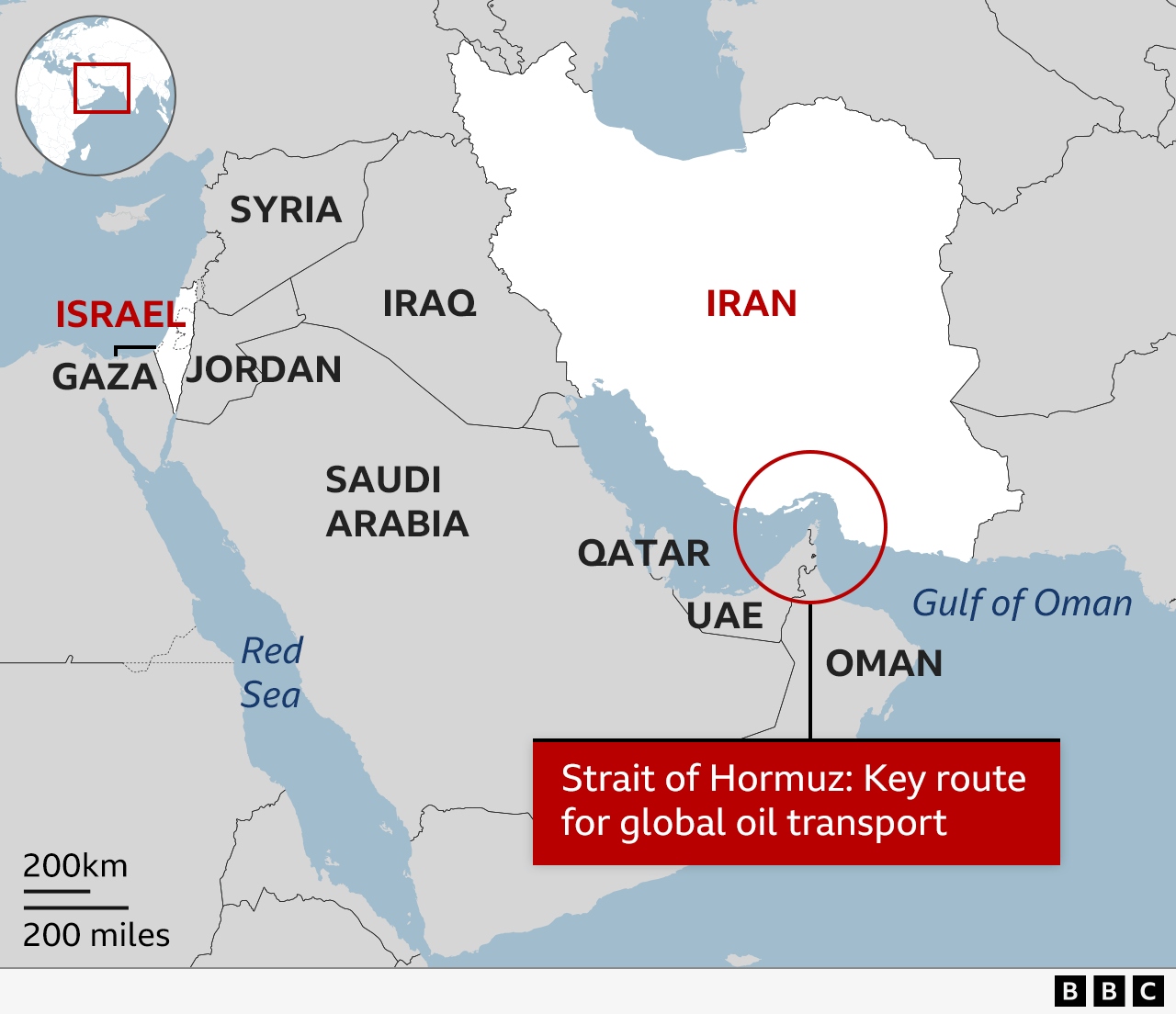
Western diplomats love the sound of their own voices when they talk about "freedom of navigation." The UK's recent posturing regarding a "toll-free" Strait of Hormuz is the latest example of geopolitical delusion. They treat the world’s most vital maritime chokepoint like a public park. It isn't. It is a high-stakes, high-maintenance piece of industrial infrastructure that the West expects to use for free while offloading the security costs onto everyone else.
The consensus view is that any friction in the Strait is an objective evil. That is wrong. The reality is that the era of the "free ride" in global shipping is dead. We should stop demanding a "toll-free" passage and start asking who is actually going to pay the bill for the massive naval presence required to keep the lights on in London and New York. Meanwhile, you can read related stories here: Canadian Dependency and the Asymmetric Risk of North American Integration.
The Myth of the Global Commons
The British government’s call for unhindered, cost-free passage relies on a 19th-century view of the seas. In that world, the Royal Navy policed the waves, and the costs were baked into the colonial ledger. Today, the Strait of Hormuz handles roughly 21 million barrels of oil per day. That is 21% of global petroleum consumption.
To keep that water clear, the U.S. 5th Fleet and various coalition task forces—like Operation Prosperity Guardian or the UK’s own HMS Diamond—spend billions. To understand the bigger picture, we recommend the detailed article by The Wall Street Journal.
Who pays for the fuel for those destroyers? Who pays for the Sea Viper missiles that cost £1 million a pop to intercept a cheap drone? The taxpayer. Not the oil majors. Not the shipping conglomerates. Not the end-consumers in the East who are actually buying the bulk of the crude.
Demanding "toll-free" access is an argument for corporate welfare. It is a subsidy for inefficiency. When a resource is free, it is abused. If shipping companies and oil exporters had to pay a literal or figurative "security tax" to transit the Strait, we would see a rapid, market-driven shift toward energy independence and diversified logistics. By demanding it stay free, the UK is simply propping up a fragile, outdated dependency on a single geographic point of failure.
Why High Friction Is a Market Signal
Volatility in the Strait of Hormuz isn't a bug; it's a feature of a world that has outgrown its supply chains. Every time a tanker is harassed or an insurance premium spikes, the market is trying to tell us something. It’s saying that the cost of doing business in a contested zone is rising.
By insisting on "toll-free" passage, Western powers are trying to suppress that price signal. They want the risk of the Middle East without the cost of the Middle East.
If you want to move 2 million barrels of Grade A crude through a narrow gap controlled by a hostile regional power, that should be expensive. It should be prohibitively expensive.
The Insurance Trap
Look at the Hull War Risk premiums. When tensions rise, these rates don't just tick up; they explode. Ship owners complain to their respective governments, begging for naval escorts. These escorts are, in effect, a massive insurance payout provided by the public sector to private entities.
I have watched maritime logistics firms bake these "free" security guarantees into their annual projections for decades. It’s a moral hazard of oceanic proportions. If the UK truly wanted a stable global economy, it would stop promising free security and start charging for it.
The False Promise of "International Law"
The "toll-free" argument usually hides behind the United Nations Convention on the Law of the Sea (UNCLOS). Specifically, the right of "transit passage."
Here is the inconvenient truth: Iran is not a party to UNCLOS. They signed it, but they never ratified it. From their perspective, the Strait consists of their territorial waters, and "transit passage" is a Western invention designed to allow foreign warships to skirt their borders.
When the UK calls for a "toll-free" Strait, they are shouting at a wall. You cannot enforce a contract on someone who never signed it unless you are willing to occupy their coastline. Since the West has no appetite for another ground war in the Persian Gulf, the rhetoric about "law" is just empty noise. It’s a diplomatic security blanket.
A Realistic Framework for the Strait
If we move past the fantasy of "free," what does a functional Strait of Hormuz actually look like? It looks like a managed, paid-for corridor.
- Security Surcharges: Shipping companies should pay a per-transit fee that goes directly into a multilateral fund for maritime security. If you want the protection of a destroyer, you pay the invoice.
- Regional Stakeholder Responsibility: The burden of security should shift from the US and UK to the nations that actually buy the oil. China and India are the primary beneficiaries of Hormuz stability. Why are British taxpayers funding the protection of tankers bound for Ningbo?
- Internalized Risk: Energy companies must be forced to internalize the cost of their supply chain's physical vulnerability. This would accelerate the transition to renewables and domestic nuclear power faster than any carbon tax ever could.
The Cost of the "Free" Strait
We are told that a "toll" or any increased cost in the Strait would tank the global economy. This is the same scare tactic used to prevent every necessary market correction in history.
Yes, gas prices would go up. Yes, inflation would twitch. But that is the actual price of the energy we are consuming. The current price at the pump is a lie. It is artificially deflated by the blood and treasure spent patrolling the Gulf.
When the UK demands a "toll-free" Strait, they are asking for a continuation of the lie. They are asking to keep the world's most dangerous choke point on a life-support system funded by people who will never see a drop of that oil.
Stop Fixing the Wrong Problem
The problem isn't that the Strait is "unsafe" or "expensive." The problem is that we've built a global civilization that breaks if a few dozen ships are delayed by 48 hours.
The UK shouldn't be calling for "toll-free" access. It should be preparing for a world where Hormuz is permanently expensive, consistently contested, and economically secondary.
The obsession with keeping this specific waterway "free" is a sign of strategic atrophy. It shows a lack of imagination and a desperate clinging to a maritime order that has already dissolved.
The Strait of Hormuz is a toll road. It has always been a toll road. The only difference now is that the owners are finally looking to collect, and the West is realized they’ve forgotten their wallets.
Instead of whining about the cost of passage, start building a world where the passage doesn't matter. Until then, pay the toll or stay out of the water.