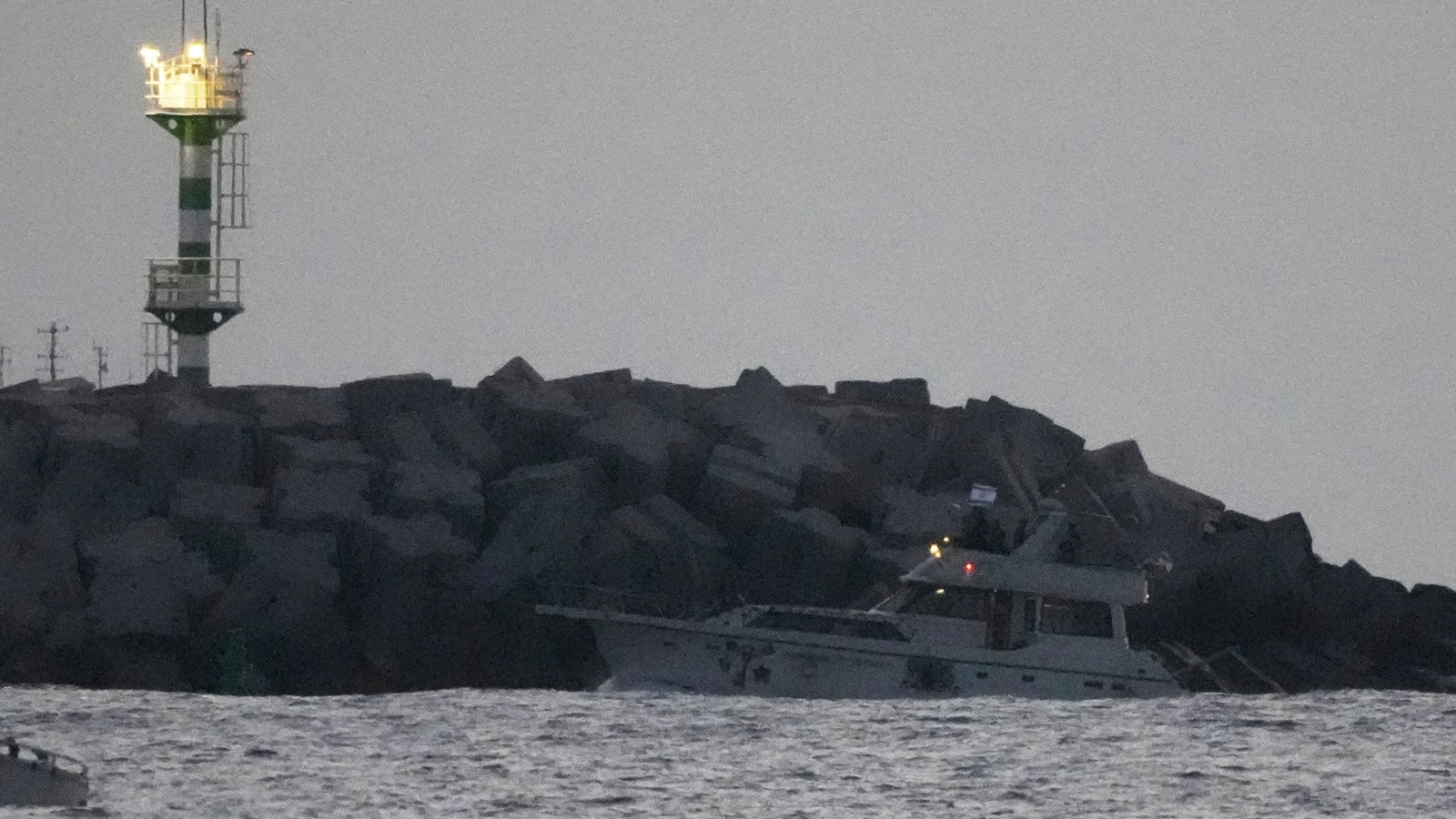
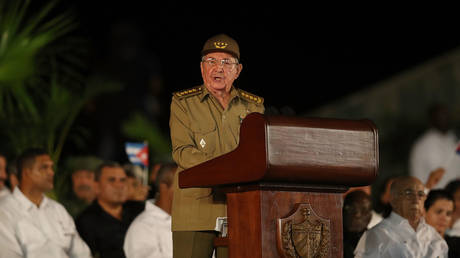
The federal grand jury indictment of 94-year-old former Cuban President Raúl Modesto Castro Ruz in Miami, Florida, represents a calculated shift in American foreign policy—one that uses domestic criminal courts as an instrument of geopolitical leverage. By charging Castro with conspiracy to kill U.S. nationals, four counts of murder, and two counts of destruction of aircraft, the U.S. Department of Justice has formalised a legal architecture around an event that occurred three decades ago: the February 24, 1996, downing of two civilian Cessna aircraft operated by the exile group Brothers to the Rescue.
Evaluating this development requires looking past the historical nature of the charges to analyze the current strategic variables. The indictment functions less as a conventional effort to secure a domestic trial and more as a mechanism to achieve specific outcomes within a broader campaign against the Cuban government. This strategy relies on distinct pillars: legal precedent, economic pressure, and the calculated threat of state-enforced compliance.
The Framework of Sovereign Liability
The indictment treats the 1996 shootdown not as an insulated military engagement, but as a coordinated criminal operation executed through a formal command structure. The state's legal logic depends on three main variables:
- Jurisdictional Extension: The U.S. Department of Justice asserts jurisdiction because the victims—Armando Alejandre Jr., Carlos Costa, Mario de la Peña, and Pablo Morales—were U.S. nationals (three citizens and one lawful permanent resident), and the destruction of the aircraft occurred over international waters, outside Cuba's 12-mile territorial sea limit.
- The Chain of Command Doctrine: The indictment alleges that all lethal orders within the Cuban military required authorization from the highest levels of the regime. Because Raúl Castro served as Minister of the Revolutionary Armed Forces (MINFAR) in 1996, prosecutors position him as the primary architect of the operational directive.
- Intelligence Infiltration as Conspiracy: The legal basis for the conspiracy charge is built on the activities of the Red Avispa (Wasp Network), a Cuban intelligence ring that infiltrated Brothers to the Rescue in the early 1990s. The prosecution argues that flight data gathered by these operatives was directly used to plan the interception, establishing a clear link between espionage and the final missile strikes.
Cuba's defense relies on an opposing framework of state sovereignty and active threat mitigation. The Cuban government maintains that Brothers to the Rescue was an organization engaged in unauthorized incursions into Cuban airspace, characterizing their flights as provocative violations. By framing the group's actions as national security threats, Havana attempts to justify the deployment of MiG-29 fighter jets under Article 51 of the UN Charter, which governs the inherent right of individual or collective self-defense.
However, independent investigations—specifically the assessment by the United Nations International Civil Aviation Organization (ICAO)—concluded that the civilian Cessnas were intercepted and destroyed in international airspace without prior warning. This finding invalidates the legal defense of proportional territorial defense and underpins the current U.S. criminal case.
Economic Interdiction and Negotiations
The timing of the indictment suggests it is closely linked to ongoing economic pressures on the island. Cuba is currently facing an energy crisis, caused by structural issues in its domestic power grid and a tight U.S. blockade on fuel imports.
[U.S. Fuel Sanctions] + [Grid Degradation] ---> Energy Deficit & Economic Contraction
                                                         |
                                                         v
[Indictment of Senior Leaders] -----------> Pressure on Negotiating Leverage (GAESA)
This economic vulnerability shapes how the indictment functions as a political tool. The Cuban economy relies heavily on Grupo de Administración Empresarial S.A. (GAESA), a military-run conglomerate that controls large portions of the island’s retail, financial, and tourism industries. U.S. policymakers view GAESA's monopoly as a major barrier to market reforms and private sector expansion.
The indictment alters the calculus of ongoing bilateral discussions by raising the personal risks for Cuba's ruling elite. By targeting Castro alongside senior military figures—including pilot Lorenzo Alberto Pérez-Pérez—the U.S. creates a new variable in negotiations. Future concessions, such as easing energy sanctions or adjusting Cuba's designation as a State Sponsor of Terrorism, can now be tied directly to structural political changes. These include reducing GAESA's economic dominance and releasing political prisoners.
The Precedent of Law Enforcement Interventions
A key factor driving the speculation around this indictment is the recent shift in how the U.S. enforces warrants against foreign leaders. Acting Attorney General Todd Blanche's statement that the government expects Castro to appear "by his own will or by another way" references a real-world legal precedent: the January 2026 U.S. special forces operation in Caracas that captured Venezuelan President Nicolás Maduro following his 2020 drug trafficking indictment.
The use of military force to execute domestic arrest warrants against foreign heads of state involves a complex balance of strategic trade-offs:
| Strategic Variable | Operational Mechanism | Risk Component |
|---|---|---|
| Precedent Enforcement | Uses historical criminal indictments as a legal basis for direct intervention. | Overrides traditional norms of sovereign immunity, which can lead to legal pushback internationally. |
| Regime De-escalation | Designed to encourage internal opposition and weaken the ruling elite's cohesion. | Can trigger a defensive reaction, causing the regime to consolidate power and suppress domestic dissent. |
| Geopolitical Deterrence | Signals that leadership status does not offer permanent protection from U.S. prosecution. | Escalates regional tensions and complicates diplomatic engagement with neutral third parties. |
The Maduro case showed that a federal indictment can transition from a symbolic legal filing to an actionable operational directive if political conditions shift. For the Cuban leadership, this means the risk profile of the indictment extends beyond travel restrictions to include potential security challenges at home.
Structural Implications for Cuba's Leadership Succession
The long-term impact of the indictment depends on how it influences the balance of power within the Cuban state. Although Raúl Castro stepped down as president in 2018 and resigned as First Secretary of the Communist Party of Cuba in 2021, he remains an influential figure in the country's governance structure. President Miguel Díaz-Canel manages day-to-day administration, but Castro retains considerable authority over the military and intelligence services through personal networks established over sixty years.
Targeting a 94-year-old leader has clear operational consequences for the regime's succession plans. It forces a faster transition of authority to a younger generation of officials who lack the historical authority of the original revolutionaries. This transition introduces two distinct structural vulnerabilities:
First, it creates friction between reform-minded economic officials and the conservative military leadership running GAESA. The threat of U.S. legal action could make younger officials more willing to consider structural economic changes to avoid personal liability and stabilize the economy.
Second, it complicates Havana's efforts to use backchannel diplomacy. The indictment restricts the political room for maneuver on both sides, as any future U.S. administration will find it legally and politically difficult to drop federal murder charges without receiving significant structural concessions in return.
The U.S. strategy relies on applying simultaneous pressure across multiple fronts: maintaining energy sanctions to strain the domestic economy, using the indictment to create legal uncertainty for leadership, and raising the possibility of enforcement actions. The success of this approach depends on whether these pressures lead to policy changes within the Cuban government, or cause the regime to tighten its control and resist external demands.