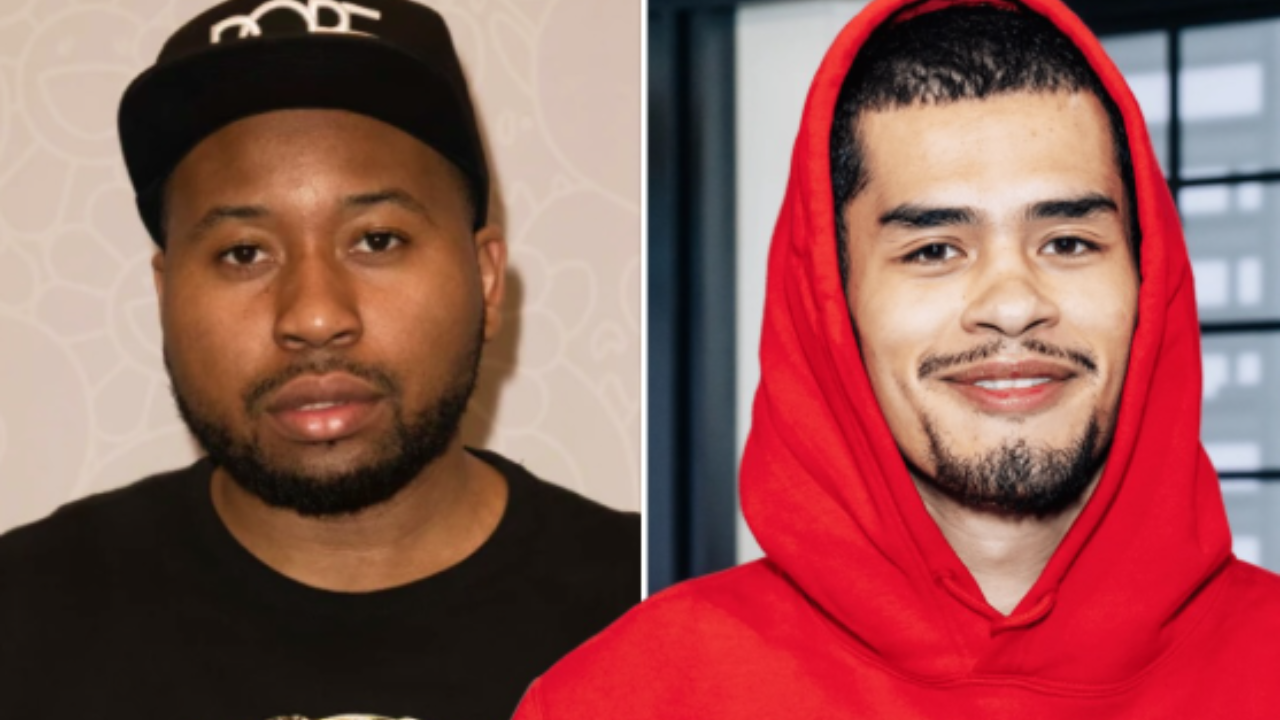
When online streamer Sneako reportedly issued a formal legal demand to hip-hop commentator DJ Akademiks over a social media post alleging an intimate video threat, the creator economy crossed a familiar, dangerous threshold. For years, live-streaming personalities have treated defamation, extortion accusations, and personal destruction as routine content fodder. Now, the mechanics of traditional media law are colliding directly with the lawless incentives of algorithmic outrage, turning a viral post into a high-stakes legal standoff over reputation, monetization, and platform liability.
The Anatomy of a Viral Legal Demand
A cease-and-desist letter or formal legal demand in the creator space rarely stays private. Unlike legacy Hollywood disputes handled quietly by crisis publicists and corporate counsel behind closed doors, streamer litigation is almost always performed for an audience. Yet behind the public posturing lies a very real set of legal mechanisms.
When a high-profile commentator like Akademiks—whose entire business model rests on aggregating, amplifying, and reacting to hip-hop and internet drama—publishes a post referencing an alleged threat involving an intimate video, the stakes escalate immediately. Accusations involving non-consensual pornography, revenge porn, or extortion are not standard internet trash talk. Under U.S. law, falsely accusing someone of a serious crime or severe sexual misconduct falls squarely into the territory of defamation per se.
In standard defamation cases, a plaintiff must prove actual financial damage—lost sponsorships, canceled tours, or measurable drops in revenue. Defamation per se changes the math. The law presumes that certain accusations are so inherently destructive to a person’s reputation and livelihood that damages do not need to be itemized upfront. Accusing a public figure of threatening to leak an intimate recording sits right on that fault line.
To understand why a legal demand lands with weight here, look at what the sender is actually trying to accomplish before a single courtroom filing happens:
- Preservation of Evidence: A formal demand legally obligates the recipient to preserve direct messages, deleted tweets, edit histories, and source communications. Deleting a post after receiving a demand letter can trigger severe judicial sanctions for spoliation of evidence.
- Establishing Actual Malice: Because both Sneako and Akademiks are undeniable public figures, any eventual lawsuit requires proving actual malice—meaning the publisher knew the statement was false or acted with reckless disregard for the truth. A formal notice putting the publisher on record strips away the defense of casual ignorance for any subsequent reposts or follow-up commentary.
- De-escalation and Retraction: Most creator legal demands aim to force a rapid deletion and public clarification before the rumor ossifies into permanent search-engine reality.
Why Creator Beef Keeps Ending Up in Lawyers' Offices
The friction between Sneako and Akademiks is not an isolated flare-up. It is the inevitable byproduct of how modern commentary networks operate.
For the past decade, figures like DJ Akademiks built massive media empires by functioning as the central clearinghouse for hip-hop and internet gossip. Speed is the primary currency in that ecosystem. Posting a screenshot or an unverified tip minutes before anyone else captures the algorithmic wave, driving millions of impressions, ad-sense payouts, and live-stream superchats. Fact-checking slows down the pipeline. By the time a rumor is verified, the attention cycle has already moved on.
Sneako, meanwhile, represents the hyper-reactive, live-broadcasting wing of the internet. Having navigated multiple platform bans, demonetizations, and ideological pivots, his brand is tightly bound to real-time confrontation. When a damaging allegation circulates in that space, ignoring it rarely works; the chat sections of live streams weaponize rumors instantly, forcing the creator to address the narrative on air or watch their community fracture.
"In legacy media, a legal department vets a story before publication because the publisher owns the liability. In the creator economy, the individual publishes first, monetizes the chaos, and only calls a lawyer when the blowback threatens their remaining revenue streams."
This structural mismatch creates a recurring cycle. Commentators treat unverified allegations as harmless entertainment, while the subjects of those allegations face tangible consequences—payment processor bans, brand blacklists, and platform suspensions—that no longer require a criminal conviction to trigger.
The Thin Line Between Commentary and Defamation
Defenders of fast-moving internet commentary often point to the First Amendment as an absolute shield. They argue that reporting on rumors, quoting anonymous sources, or adding "allegedly" to a caption immunizes them from legal fallout.
That is a fundamental misunderstanding of media law.
Adding the word "allegedly" does not grant immunity. Under the republication doctrine, repeating a defamatory statement made by someone else makes the repeater just as legally liable as the original source. If an anonymous account fabricates a story about an intimate video threat and a major commentator broadcasts that claim to millions of followers without independent verification, the commentator cannot simply shrug and blame the internet rumor mill.
Courts look at the broader context of the publication:
- Did the publisher present the claim as credible fact or pure speculation?
- Did the publisher reach out to the subject for comment prior to posting?
- Was the source known to be unreliable or biased?
- Did the publisher rely on sensational framing to maximize engagement while ignoring obvious red flags?
In the case of an alleged intimate video threat, the reputational harm is asymmetrical. Even if a post is deleted within hours, screenshots circulate permanently across secondary drama channels, Reddit threads, and X replies. For a streamer already operating on the margins of mainstream platform terms of service, any association with non-consensual intimate imagery is an existential threat. Major platforms like Kick, Rumble, and X maintain strict policies against doxxing and non-consensual sexual content; even an unsubstantiated rumor can prompt trust-and-safety teams to freeze monetization while they investigate.
The Streisand Effect Versus Reputation Survival
Sending a legal demand in the middle of an internet storm carries an obvious risk. The moment a cease-and-desist becomes public, it validates the story as serious enough to warrant legal intervention. Critics immediately frame the move as "soft" or anti-free-speech, especially within male-dominated streaming communities that prize unfiltered bravado.
Yet the calculus has shifted dramatically over the last two years.
Creators are increasingly realizing that the Streisand Effect—the phenomenon where trying to suppress information only draws more attention to it—is a temporary problem, whereas an unchallenged defamatory narrative is a permanent one. If a creator lets a severe accusation stand uncontested, future journalists, sponsors, and platform executives will treat that silence as tacit confirmation.
A legal demand serves as a permanent marker in the public record. Even if the dispute never reaches a courtroom, the existence of a formal retraction demand allows the subject's team to send a counter-notice to platforms, search engines, and business partners proving the allegation was formally disputed as false.
What Happens When These Demands Actually Go to Court
Most creator legal threats evaporate once the offending post is deleted and both sides move on to the next news cycle. Litigation is brutally expensive, slow, and invasive.
If a dispute like the one between Sneako and Akademiks actually proceeds to a formal lawsuit, the real battleground is rarely the final trial. It is discovery.
During discovery, both sides gain the legal power to subpoena private communications. That means text messages, Discord logs, direct messages with anonymous tipsters, and internal monetization records all become fair game. For commentators who rely on confidential sources to feed their daily broadcasts, discovery is a nightmare scenario; refusing to reveal who supplied a false tip can result in severe legal penalties, while revealing the source destroys their credibility across the industry.
Conversely, the plaintiff opens their own private life to forensic scrutiny. To prove a claim about an intimate video threat is false, the plaintiff may have to hand over device records, cloud backups, and private correspondence to prove no such threat was ever made. For public figures whose personal lives are already messy, the cure of litigation often proves far more damaging than the original rumor.
Furthermore, many jurisdictions enforce Anti-SLAPP (Strategic Lawsuits Against Public Participation) statutes. These laws allow defendants to quickly dismiss lawsuits that target speech on matters of public interest—and force the plaintiff to pay the defendant's legal fees if the case is deemed frivolous. While Anti-SLAPP protections do not protect deliberate lies, they raise the financial barrier to entry so high that only plaintiffs with airtight evidence and deep war chests dare to file.
The New Rules of Engagement for Digital Commentators
The clash between Sneako and Akademiks highlights an industry growing up against its will. The wild-west era of zero-consequence gossip is closing, driven not by government regulation, but by basic economics.
As independent streamers and hip-hop commentators sign multi-million-dollar distribution deals, launch subscription networks, and court institutional advertisers, they cease to be rogue bloggers. They become media companies with attachable assets. A judgment against a broke twenty-year-old livestreamer is worthless; a judgment against a commentator generating millions in annual revenue is a lucrative target for defamation attorneys working on contingency.
Until commentary channels adopt basic editorial guardrails—verifying primary sources, giving subjects a window to respond before hitting publish, and separating verified reporting from chat-room speculation—legal demands will remain a standard cost of doing business. The cameras never stop rolling in the streaming world, and neither do the billable hours.