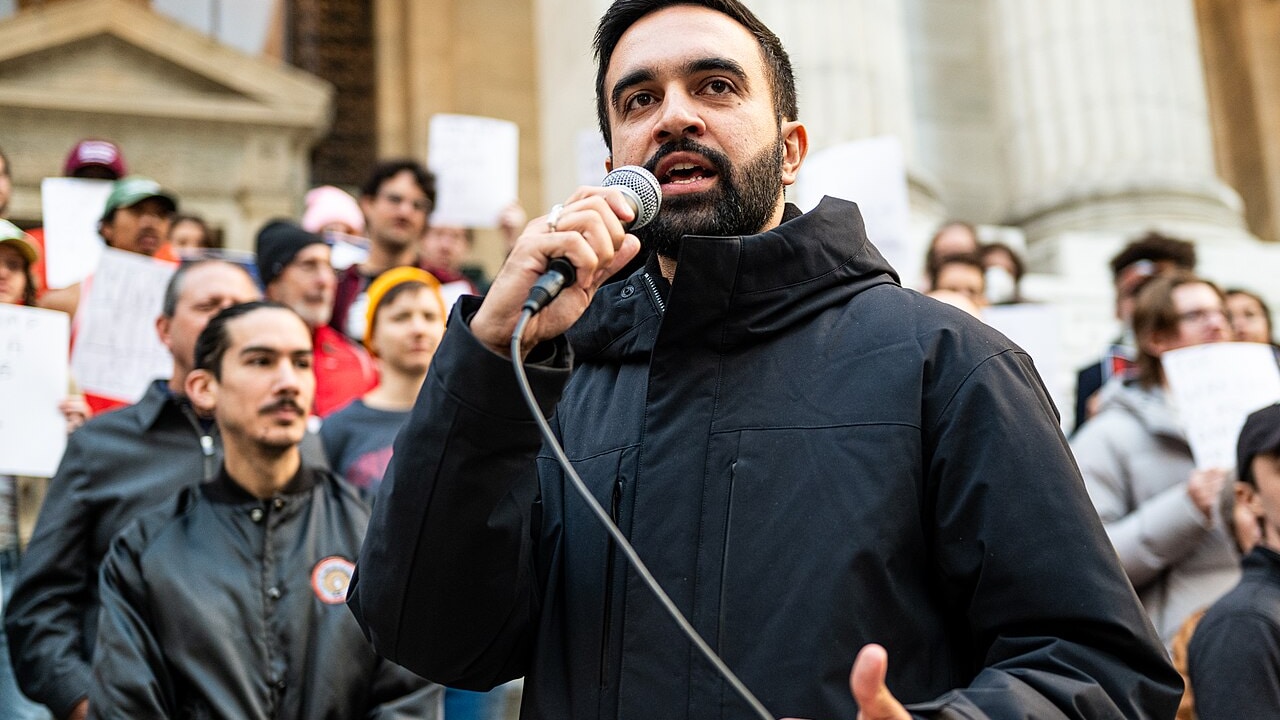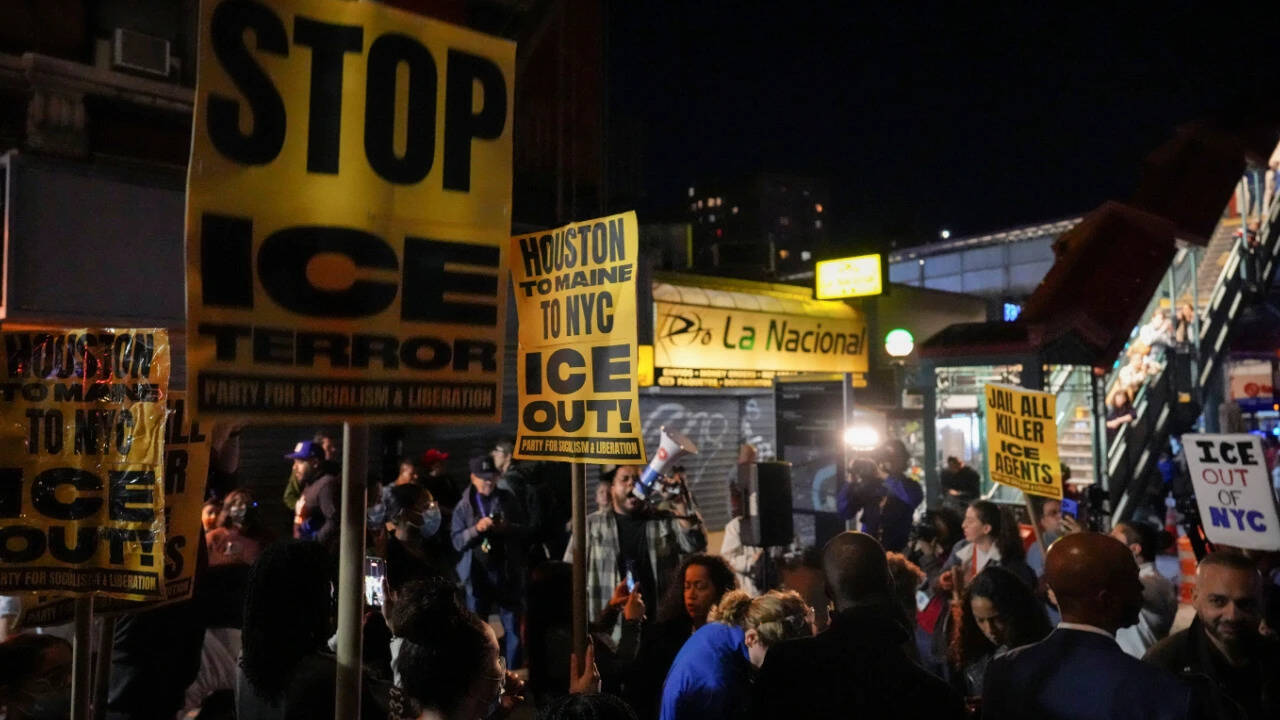
Every time federal immigration enforcement executes an operation that goes sideways in an American metropolis, the script writes itself. Sirens wail, cell phones capture grainy footage of a scuffle, outraged crowds flood the pavement, and local politicians rush to microphones to denounce militarized overreach. The headlines paint a familiar picture of community resistance against an invading state apparatus. It feels noble. It feels like David versus Goliath.
It is also an absolute waste of time that guarantees the system you claim to hate gets stronger.
I have spent years watching the machinery of immigration policy from the inside, tracking how federal agencies absorb shocks, neutralize local opposition, and expand their operational footprint precisely because of the chaos in the streets. When protesters block vans and chant slogans, they are not disrupting the enforcement apparatus. They are giving it the exact justification it needs to request a bigger budget, upgrade its tactical gear, and entrench its presence.
Let us dismantle the lazy consensus. The standard narrative claims that street-level mobilization checks federal power. The cold reality is that street-level mobilization is the primary engine of federal expansion.
The Performance of Outrage
When a high-profile enforcement action sparks a riot or a massive demonstration in New York or any other sanctuary municipality, the immediate response follows a predictable ritual. Activists organize marches. City council members draft symbolic resolutions condemning federal agencies. Editorial boards write mournful op-eds about human dignity.
None of this alters a single clause in the Immigration and Nationality Act. None of this defunds an operational task force.
Federal agencies like Immigration and Customs Enforcement do not derive their legitimacy from public popularity contests in progressive urban centers. They derive their mandate from federal statute and executive branch priorities. Yelling at agents on a street corner does not repeal statutory authority; it merely raises the adrenaline levels of the enforcement teams.
Worse, it converts a complex administrative failure into a theatrical battle of good versus evil. When the debate is framed as a righteous community fighting fascist stormtroopers, we completely ignore the boring, systemic architecture that makes these raids possible in the first place. We focus on the dramatic symptom while ignoring the chronic disease.
How Resistance Feeds the Beast
If you want to understand why federal enforcement budgets balloon year after year regardless of which party occupies the White House, look no further than the optics of civil unrest.
Bureaucracies are rational actors whose primary goal is self-preservation and expansion. When an agency faces intense, localized hostility, its leadership does not back down or introspect. They use the friction to argue for increased operational security. They request specialized vehicles, enhanced communication jamming equipment, and larger tactical details for routine operations, citing officer safety in hostile environments.
Every protest film clip aired on cable news becomes a recruitment tool and a budget justification memo on Capitol Hill. The agency tells congressional appropriators that hostile municipal environments require heightened defensive posture. Congress, terrified of appearing soft on security or incapable of protecting federal personnel, signs off on the checks.
By taking the bait and turning every enforcement action into a street brawl, activists play right into the hands of the very bureaucracy they seek to dismantle. You cannot picket your way out of a statutory mandate.
The Mechanics of Real Change
If street theater does not work, what does? The answer requires abandoning the dopamine hit of immediate public defiance for the unglamorous, grinding work of structural leverage.
Real reform happens where money, data, and municipal compliance intersect. Federal immigration enforcement relies heavily on local cooperation, data sharing, and infrastructure access, even in jurisdictions that claim to be sanctuaries.
Look at how enforcement operations actually succeed or fail. They depend on local jail databases, municipal utility records, vehicle registration access, and physical staging areas. When local governments truly want to limit federal overreach, they do not hold press conferences; they audit their data-sharing agreements, restrict local police from performing collateral civil immigration checks, and ruthlessly enforce municipal labor and housing codes against employers who exploit undocumented workforces.
Notice how quiet that work is. There are no bullhorns, no viral videos, and no dramatic confrontations with riot gear. It is legal drafting, procurement contract review, and bureaucratic obstruction. It is boring. It is technical. And it is devastatingly effective.
The comfort of the protest line is that it lets you feel like a revolutionary while changing nothing. The hard reality of policy mechanics is that power respects legal jurisdiction and administrative friction, not righteous anger.
The Cost of Misdirected Energy
Every hour spent organizing a march against an ICE detention van is an hour stolen from building the boring, unsexy coalitions needed to change federal labor laws, reform visa backlogs, or shut down the private prison contractors who profit from detention beds.
The private detention industry loves street protests. As long as the public debate focuses on whether an arrest was executed politely on a Brooklyn sidewalk, nobody is auditing the multi-million-dollar contracts awarded to corporate detention facility operators. As long as politicians can pander to protesters with empty rhetoric, they are absolved from passing actual legislative protections for vulnerable workers.
We are caught in a circular trap. The federal agency overreaches, the community protests, the agency securitizes, the politicians fundraise off the outrage, and the cycle repeats. Both sides of this theatrical binary depend on each other for relevance. The enforcement agency needs the resistance to justify its budget; the activist leadership needs the raids to justify its fundraising appeals.
Meanwhile, the actual people caught in the middle see zero structural improvement in their daily lives.
Dismantling the Blueprint
If we are serious about changing how immigration enforcement operates in American cities, we have to stop playing the game by the agency's rules.
Stop treating every tactical arrest as an existential crisis that requires a march. Treat it as a symptom of a broken statutory framework that requires legislative overhaul and administrative strangulation through local non-cooperation.
This approach demands discipline. It requires activists to trade their megaphones for policy briefs, and politicians to trade their hashtags for regulatory audits. It means accepting that true power is exercised quietly in committee rooms and legal filings rather than loudly on asphalt.
Until we make that shift, we will keep marching in circles, wondering why the machine keeps getting bigger while nothing ever changes. Drop the signs. Open the code books. Cut off the data pipelines.
Stop fighting the symptoms and start starving the engine.