The traditional ceramic tile manufacturing sector operates on an energy-intensive economic model. Raw mineral feedstocks are mined, transported, mixed, and subjected to high-temperature thermal processing inside industrial kilns to achieve structural vitrification. This thermal phase dictates the cost structure of the industry, binding operational expenditures directly to fossil fuel or electricity pricing while generating substantial carbon emissions. The emergence of alternative manufacturing methodologies utilizing high-recycled-content gypsum waste streams targets this exact thermal dependency. By substituting virgin raw materials with processed construction waste and eliminating the kiln-firing stage entirely, circular production models alter the unit economics of wall tile fabrication.
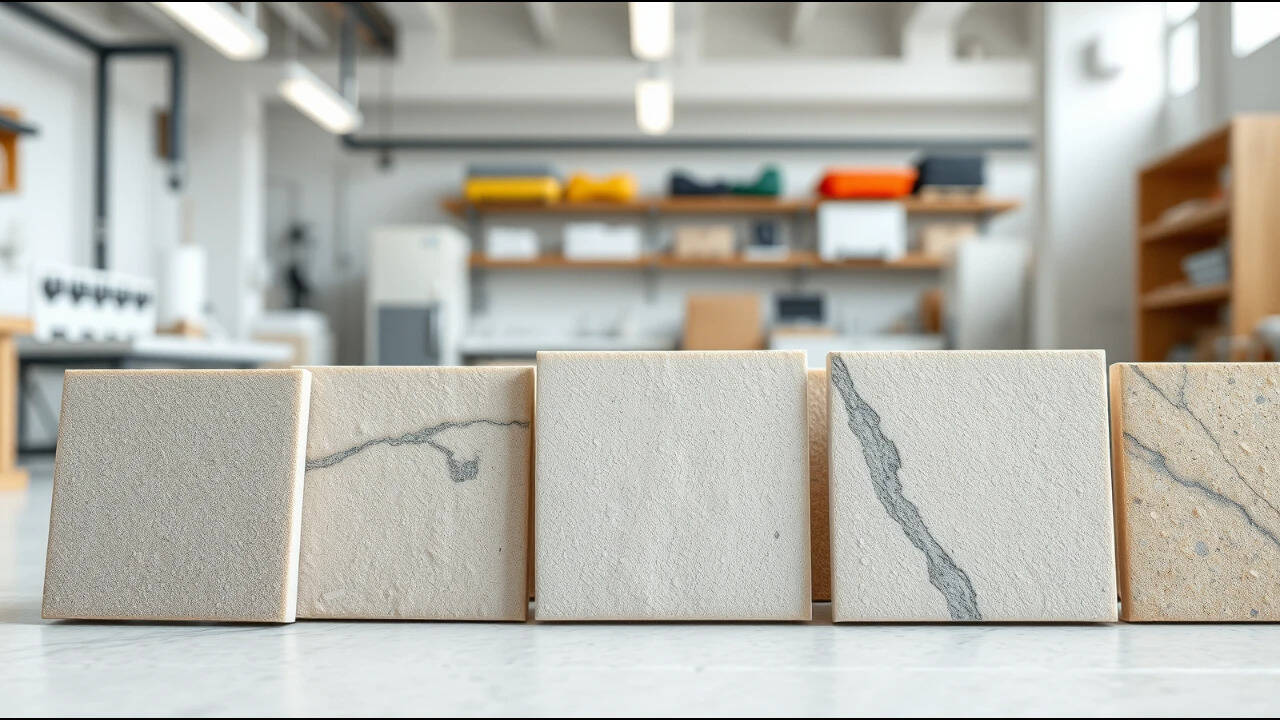
Deconstructing the material substitution mechanism reveals a shift in input logistics and curing physics. Construction and demolition waste yields substantial quantities of gypsum plasterboard scrap. When processed through separation and milling facilities, this waste produces a refined calcium sulfate dihydrate powder. Integrating this recovered powder into pressed tile formulations at concentrations exceeding ninety-five percent alters the binder dynamics. Instead of relying on high-temperature phase changes to fuse mineral particles, the manufacturing sequence employs low-temperature chemical curing or hydraulic pressing mechanics. The absence of a kiln transforms the operational cost curve, shifting expenditures from continuous thermal energy consumption to ambient press compression and binding agents. Meanwhile, you can read other stories here: Why Blaming Fuel Prices for the Death of the French Baguette is Lazy Journalism.
Evaluating the production process through first principles highlights three operational variables that govern scalability: feedstock purity, binder kinetics, and application boundaries.
The first variable is feedstock purity control. Construction waste streams are notoriously heterogeneous, frequently contaminated with paper fibers, foils, adhesives, and foreign aggregates. In traditional plasterboard recycling, these contaminants are mechanically separated to recover gypsum for new board production. For tile manufacturing, even minor particulate impurities can compromise compressive strength and moisture resistance. The economic viability of the process depends on upstream waste segregation protocols executed by contractors on construction sites. Without rigorous source separation, the preprocessing cost to purify recovered gypsum erodes the raw material cost advantage. To see the bigger picture, we recommend the recent article by CNBC.
The second variable is binder kinetics and structural integrity. Traditional ceramic tiles achieve hardness through high-temperature sintering, which fuses the mineral matrix into a rigid, impermeable body. Kiln-free gypsum-based tiles rely on alternative consolidation mechanisms, such as hydraulic pressing combined with chemical additives that facilitate crystal growth or matrix hardening at ambient temperatures. This introduces performance boundaries. While these tiles perform reliably in dry indoor wall applications, their structural profile differs significantly from vitrified stoneware. Consequently, market positioning must align strictly with environmental performance metrics rather than universal structural substitution.
The third variable is the capital expenditure redistribution. Traditional tile plants require multi-million-dollar continuous-fire kilns with long operational lifespans and high thermal inertia. A kiln-free manufacturing line eliminates the primary thermal bottleneck, lowering the barrier to entry for localized production facilities. By partnering with established ceramics manufacturers—such as pilot initiatives testing these systems within existing industrial plants—technology developers can leverage brownfield infrastructure, utilizing standard industrial presses while bypassing the thermal phase.
The broader supply chain impact centers on closed-loop integration between demolition contractors, waste aggregators, and component manufacturers. The economics of waste collection follow a regional cost gradient, where transportation distance directly impacts the landed cost of raw gypsum. Maximizing circularity requires establishing regional processing hubs close to urban demolition centers, minimizing freight emissions and securing a predictable input stream. As environmental reporting standards and embodied carbon regulations tighten across the construction sector, the market value of verified high-recycled-content materials will be determined by lifecycle carbon accounting accuracy rather than raw material price parity alone.
Scaling this model from pilot verification to mass industrial output requires managing the trade-off between environmental positioning and structural versatility. The strategic priority for enterprises deploying kiln-free tile technology is to anchor production inside existing manufacturing ecosystems, using collaborative trial arrangements to validate mechanical performance before attempting Greenfield capacity expansion.