Trade wars usually spark panic. When broad tariffs hit, dependent factory towns brace for impact. But look north of the border, and you'll find a different story entirely.
Ontario Premier Doug Ford recently put a heavy weapon on the table. He threatened to cut off the flow of critical minerals and electricity to the United States if heavy protectionist measures persist. Towns reliant on steel or auto manufacturing are sweating bullets. Yet Sudbury, the literal hard-rock heart of the province's mining sector, remains remarkably calm.
Why aren't miners and local officials losing sleep? Because the mathematics of global supply chains completely favors the ground beneath their feet.
The Reality of American Mineral Dependence
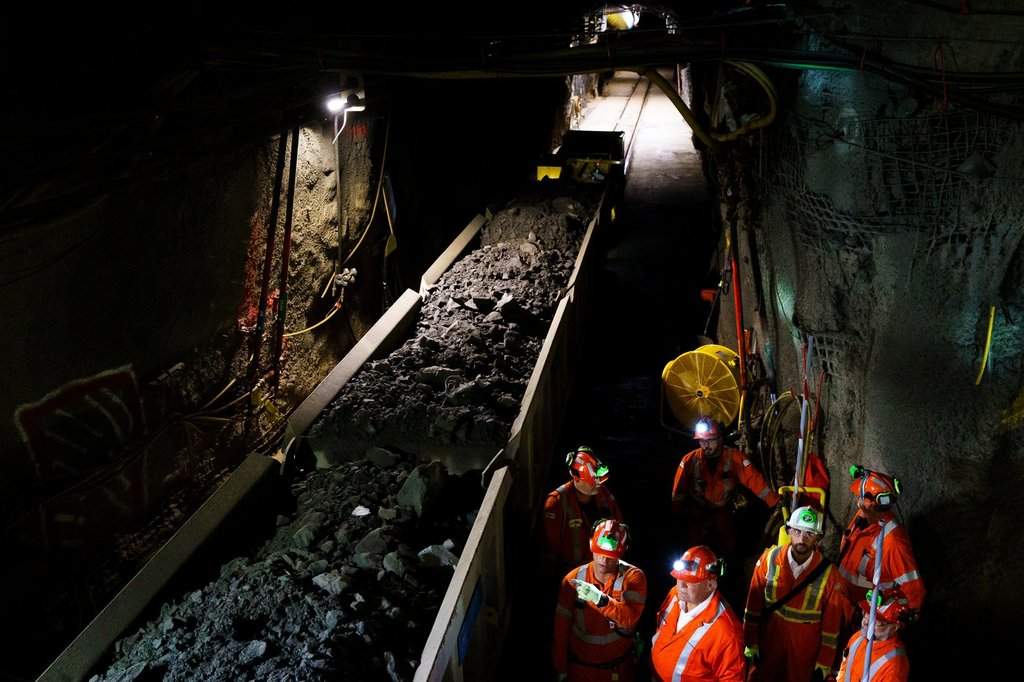
If you trace where American manufacturing gets its foundational metals, you end up staring straight at Northern Ontario. The United States maintains only a single operational nickel mine, located in Michigan. To make matters more awkward for Washington, much of the nickel extracted from that lone domestic site actually gets shipped north for processing right back into Sudbury.
When politicians talk about cutting off critical minerals, it sounds like a hollow political bluff. But resource economists point out that shutting down these supply lines is an economic nuclear option. Sudbury supplies high-grade nickel and copper that feed American defense contractors, aerospace manufacturing, and electric vehicle assembly lines.
The U.S. can look for alternatives, but they don't exist domestically at scale. Developing a new nickel mine from scratch takes a decade or more of permitting, exploration, and construction. You can't fast-track a decade-long geological project with an executive order.
Why Local Leaders Aren't Worried
Sudbury Mayor Paul Lefebvre has made it clear that the city isn't panicking because its core exports—primarily nickel and copper—aren't currently caught in the crosshairs of standard tariffs. The city's 12 billion dollar annual GDP, anchored by roughly 600 mining-related companies, operates on a global scale.
Local leadership views the Premier's aggressive stance not as a threat to their livelihood, but as an accurate reflection of leverage. Leaders in the region understand a fundamental truth of modern geopolitics: you can survive without foreign wine or whiskey, but you cannot build modern defense electronics or high-tech batteries without heavy metals.
Marie Litalien, president of the Greater Sudbury Chamber of Commerce, describes the mood locally as business as usual. Years of boom-and-bust commodity cycles teach mining towns to keep their heads down and focus on extraction, processing, and global export diversification. A trade dispute doesn't change the physical composition of the earth.
Diversification and Global Markets
Sudbury isn't just sitting around waiting for Washington to blink. Local officials have actively pursued international delegations, looking outward toward markets in Asia and Europe to lock in long-term demand.
This strategy highlights a major lesson for single-industry towns. While smaller municipalities that rely on a single factory or export get hammered the moment a border tax is announced, Sudbury's broad economic footprint and status as a unique global hub insulate it from localized trade shocks. Laurentian University economics experts note that the city's push into financial services alongside its massive mineral wealth has created a buffer other towns simply don't have.
If tariffs tighten further, local businesses expect short-term friction. Global supply chains are messy when politicians start swinging tariff hammers. But the long-term fundamentals remain untouched. The world needs raw metals to build the future, and Sudbury happens to hold the keys to the vault.