History isn't just written by the victors. It's written by the people who control the choke points.
When you look at the Suez Canal today, you see a massive engineering marvel moving billions of dollars in cargo between Asia and Europe. But behind the container ships and the toll revenues lies a brutal century-long story of foreign occupation, financial manipulation, and nationalist defiance. Most people view the canal simply as a shortcut through the Sinai desert. They miss the entire geopolitical drama that turned a French-dug ditch into the literal heartbeat of modern Egyptian sovereignty. Building on this idea, you can also read: The Map of Shadows We Keep Ignoring.
Let's strip away the textbook sanitized narrative. You need to understand how Egypt took a monument built on forced labor and turned it into the ultimate symbol of anti-colonial triumph.
The Debt Trap That Sold Out a Nation
Let's go back to the nineteenth century. Ismail Pasha, the Khedive of Egypt, wanted to modernize Cairo so badly that he bankrupted his own country. European banks smelled blood in the water. They piled predatory loans onto Egypt until the treasury collapsed under the weight of crushing interest rates. Observers at USA Today have also weighed in on this situation.
To pay the bills, Ismail did the unthinkable. He sold Egypt's remaining shares in the Suez Canal Company to the British government in 1875.
Benjamin Disraeli snapped them up in a stealthy financial maneuver funded by the Rothschilds before the British Parliament even voted. Just like that, Great Britain owned nearly half of a waterway sitting right on Egyptian soil. Thousands of Egyptian laborers had already died carving out the sand under horrific corvée labor conditions. Now, foreign bankers and British administrators were reaping the profits while Egyptian peasants starved to pay off European debts.
It was classic imperial extortion. The canal wasn't an Egyptian asset anymore. It was a foreign-owned tollbooth guarding the British Empire's lifeline to India.
The Night the Lion Roared
By July 1956, Gamal Abdel Nasser had enough.
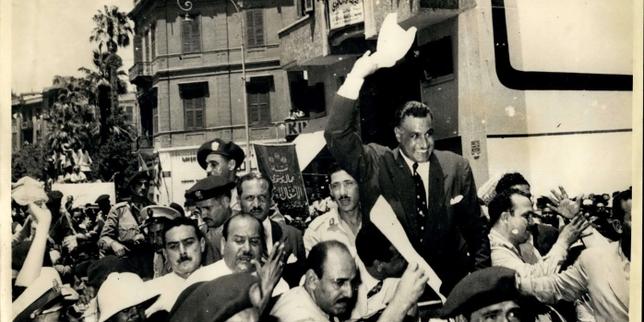
Egypt was tired of begging the World Bank for loans to build the Aswan High Dam only to have the United States and Britain pull funding at the eleventh hour as a political slap in the face. Nasser didn't blink. Standing before a roaring crowd in Alexandria, he delivered a speech that sent shockwaves through Western capitals.
He didn't just nationalize the canal. He seized the Suez Canal Company overnight, announcing that Egyptian revenues would finally pay for Egyptian dams.
Code words flew across secure lines in London and Paris. Prime Minister Anthony Eden called Nasser an Arab Mussolini. British and French leaders panicked because losing control of the canal meant losing their grip on Middle Eastern oil and global maritime dominance.
You have to grasp the sheer audacity of this move. Egypt was a developing nation taking on two declining European empires that still acted like global policemen. The diplomatic fallout was immediate. The military response wasn't far behind.
The Military Defeat That Stole a Political Victory
In late October 1956, Israel launched a lightning invasion of the Sinai Peninsula, followed swiftly by British and French paratroopers dropping into Port Said.
On the ground, the Suez Crisis was a tactical disaster for Egypt. The military forces were outmatched, and the airfields were smashed. But wars aren't won by battlefield tactics alone. They're won by geopolitical leverage.
Eisenhower was furious. The United States hadn't been consulted by its traditional allies, and Washington feared a wider Soviet confrontation in the Middle East while the Hungarian Revolution was raging. Using brutal financial pressure, the Eisenhower administration forced the British and French to halt their invasion and withdraw in humiliation.
Britain's status as a superpower died in the sands of Port Said. Nasser stood victorious. The canal was officially under Egyptian management, flying the red, white, and black flag of the republic.
Turning Symbols Into Sovereignty
Taking the canal back was one thing. Running it was another.
Western pilots walked off the job, predicting that Egyptian engineers would run the complex maritime highway aground within weeks. They were dead wrong. Egyptian and international pilots stepped up, keeping traffic moving through the narrow channel with remarkable efficiency.
Nasser weaponized the canal's revenues to fund major domestic reforms and assert leadership across the Arab world. Even after the devastating Six-Day War in 1967 closed the canal for eight long years, Egypt refused to surrender its legal rights over the waterway. When it finally reopened in 1975 under President Anwar Sadat, the canal had transformed from a haunting monument of colonial oppression into the crown jewel of Egyptian economic independence.
What This Means for Global Trade Today
You cannot understand modern global supply chains without looking at this history.
When the Ever Given ran aground across the canal in 2021, billions of dollars of global trade froze instantly. Analysts panicked over supply chain resilience. Ships had to reroute all the way around the Cape of Good Hope, burning millions of extra gallons of fuel.
That single week of chaos proved something vital. The Suez Canal is still the jugular vein of international shipping. And Egypt holds the knife.
When you look at container ships inching through the desert today, remember the human cost of its construction and the political courage it took to reclaim it. Egypt didn't just take back a ditch in the sand. They took back their dignity. Next time a global trade crisis hits the news headlines, look past the cargo delays and see the century of struggle that put Cairo in charge of the world's most important waterway.