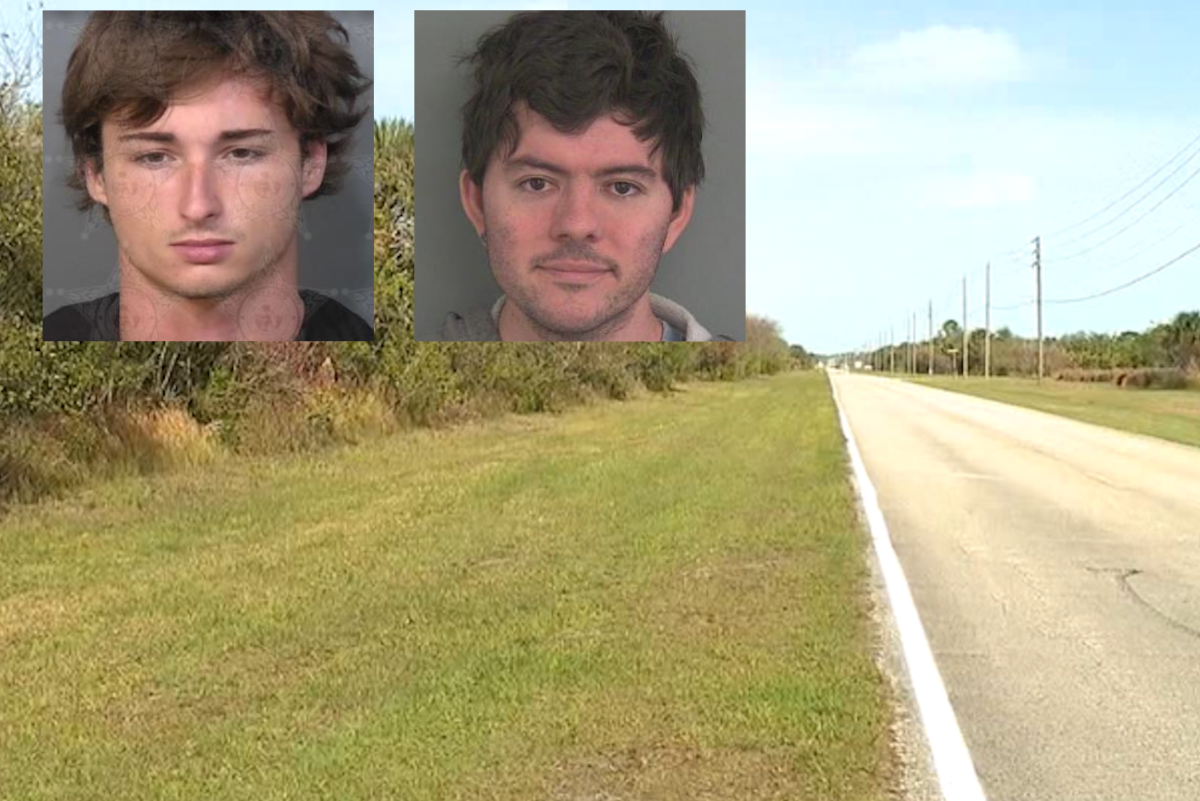
The headlines are predictably sensational. A sex offender’s body is found crammed into a suitcase in Florida. A teenager is hauled off in handcuffs. The public reacts with a toxic mixture of "he got what he deserved" and "what is wrong with kids today?" Both reactions are intellectually lazy. They ignore the systemic rot that makes these grim discoveries inevitable.
We are obsessed with the gore and the shock value. We ignore the mechanics of a society that has outsourced its moral policing to the desperate and the damaged. This isn't just a murder story. It is a post-mortem on a failed justice system that marks people for life and then wonders why the violence never stops.
The Myth of the Monster vs. the Victim
The media loves a binary. In this case, it’s the "predator" versus the "delinquent." By framing the narrative this way, we avoid looking at the structural failures. When a person is placed on a registry, the state essentially places a permanent target on their back. I’ve seen this play out in backrooms and precinct offices for years: the registry doesn't just "track" offenders; it creates a subclass of people who are effectively outside the protection of the law.
When you strip someone of their humanity, you shouldn't be surprised when they are treated like trash—literally stuffed into luggage. The "lazy consensus" suggests that the registry keeps us safe. Data from the U.S. Department of Justice suggests otherwise, showing that registries have a negligible effect on recidivism rates. What they do do is create a high-pressure environment where violence is the only currency left.
The Teenager as a Symptom
Why is a teenager involved? Because the youth are the first to sense when the social contract has been shredded. If a kid grows up in a neighborhood where the law is an abstraction and the "monsters" are identified by a public website, they don't see a complex legal system. They see a green light.
We have taught an entire generation that some lives are worth zero. We shouldn't act shocked when they start doing the math. This isn't a "lack of values." This is the logical conclusion of the values we have projected: that punishment is a bottomless pit and redemption is a myth.
The Logistics of Desperation
Think about the physical act. Stuffing a human being into a suitcase is not a crime of passion; it’s a crime of logistical panic. It’s what happens when the perpetrator realizes they’ve killed someone the world already considers dead.
- The Disposal: Using a suitcase implies a need for portability in a world of constant surveillance.
- The Choice of Victim: Offenders are targeted because they are "safe" victims. Who is going to report them missing? Who is going to care?
- The Fallout: The teen is now a ward of the state, likely heading to a prison system that will finish the job of hardening them into a career criminal.
We aren't solving crime; we are just recycling it.
Your Safety is a Marketing Gimmick
We love the feeling of "doing something." Sex offender registries, public shaming, and "tough on crime" rhetoric are the security theater of the 21st century. They provide the illusion of control while the underlying causes—mental health collapse, poverty, and the total failure of rehabilitation—continue to fester.
If these measures worked, Florida wouldn't be the backdrop for a suitcase-stuffed corpse. The reality is that the more we marginalize individuals, the more volatile the community becomes. When you push people to the absolute edge of existence, the "edge" becomes a very dangerous place for everyone.
Why You’re Wrong About "Deterrence"
The common argument is that harsh treatment deters future crimes. If that were true, the United States would be the safest country on Earth. It isn't.
- Recidivism is fueled by instability. If you can’t get a job or a house, you go back to what you know.
- Vigilantism is a sign of a failing state. When citizens (or teenagers) take "justice" into their own hands, it’s because they don’t trust the authorities to handle it.
- The "Monster" narrative prevents actual prevention. If we treat all offenses as equal and all offenders as irredeemable, we lose the ability to intervene before things turn deadly.
The Professional Price of Silence
I’ve watched policy experts and politicians nod along to these "tough" laws while knowing they are ineffective. Why? Because being "nuanced" doesn't win elections. Admitting that we need to rethink how we handle post-conviction life is political suicide.
But look at the cost. We are paying for this with the lives of teenagers who become murderers and the souls of a public that cheers for suitcase-disposal. We have traded actual public safety for a sense of tribal vengeance. It’s a bad trade.
Breaking the Cycle
If we actually wanted to prevent these headlines, we’d stop treating the legal system like a revenge fantasy.
- Audit the Registry: Move toward a risk-based system that actually identifies current threats instead of a blanket list that includes decades-old non-violent offenses.
- Invest in Re-entry: Real work, real housing, and real supervision. It’s cheaper than a murder trial and a lifetime of incarceration.
- End the Dehumanization: Understand that when you make a group of people "sub-human," you are creating a vacuum where violence is inevitable.
The suitcase in Florida isn't an anomaly. It's the inevitable output of a machine designed to discard people. We built the machine. We shouldn't be surprised when it works.
Stop looking for a hero or a villain in this story. There are only casualties of a system that would rather see a body in a box than admit that its "solutions" are actually the problem.
The kid is in jail. The man is in a morgue. The public is satisfied. And tomorrow, the machine will find someone else to crush.