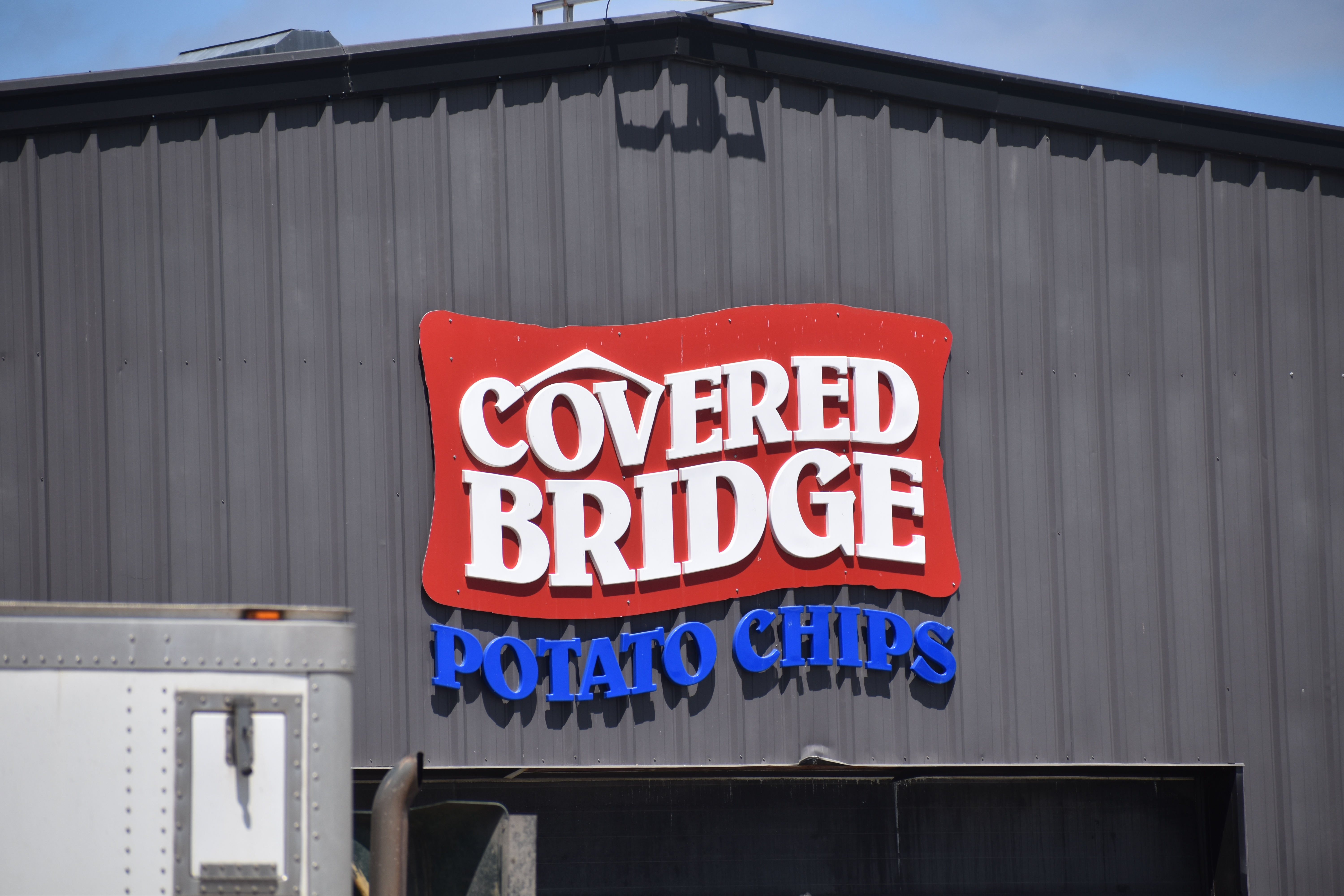
Smell that? That is the scent of a paycheck.
When residents near the rebuilt Covered Bridge Potato Chips factory in Waterville, New Brunswick, filed an environmental claim over a "sickening" odor, the media rushed in with its usual, predictable script. It is the classic David versus Goliath narrative: innocent, rural homeowners being choked out by a heartless industrial giant.
It is a moving story. It is also entirely wrong.
The local outcry over the frying fumes is not a tale of corporate negligence. It is a textbook case of NIMBYism—Not In My Back Yard—clashing with the brutal realities of rural economic survival. For decades, North American manufacturing communities have begged for industrial development, only to complain the exact moment the gears start turning.
Let us look past the emotional hyperbole and dismantle the lazy consensus surrounding this factory dispute.
The Luxury of Complaining About Industrial Odors
In rural New Brunswick, a functioning factory is a miracle. When the original Covered Bridge facility burned to the ground in early 2024, it was not just a tragedy for the Albright family; it was a devastating blow to the local economy. It meant the sudden loss of dozens of jobs and a massive hit to regional potato farmers who rely on local processing contracts.
When an employer rebuilds from the ashes, invests millions of dollars, hires local workers, and keeps a community on the map, they deserve a medal. Instead, they get a lawsuit because someone’s patio smells like canola oil and fried starch.
This is a symptom of a broader, modern delusion: the idea that we can enjoy the fruits of heavy industry without ever having to look at, hear, or smell it. We want the jobs. We want the tax revenue to pave our roads. We want the bag of kettle chips on our grocery shelves. But heaven forbid the manufacturing process disrupts our idealized, postcard-perfect country air.
The Mirage of Zero-Impact Manufacturing
The core argument of the complainants is that the factory should simply install technology to eliminate the smell entirely. It sounds reasonable on paper. "Just fix it."
But anyone who has spent five minutes managing industrial capital expenditure knows that engineering a zero-emission, zero-odor food processing facility is a financial fantasy.
Frying thousands of pounds of potatoes every hour requires massive thermal energy and exhaust systems. You can install scrubbers, carbon filters, and advanced ventilation systems—and Covered Bridge undoubtedly possesses modern industrial filtration—but you cannot alter the laws of physics. Industrial food production produces vapor. Vapor carries organic compounds. Organic compounds have a scent.
Imagine a scenario where a mid-sized regional manufacturer complies with every radical environmental demand. They spend millions on experimental, ultra-high-efficiency air scrubbers. What happens next?
- Their capital reserves evaporate.
- Their operating costs skyrocket.
- They lose their competitive edge against massive multinational conglomerates like Frito-Lay.
- The factory shuts down permanently.
The result is a pristine, odorless ghost town where nobody can afford to pay their mortgage. That is the nuance the outrage crowd deliberately ignores. Environmental perfection is a luxury item that rural economies cannot afford.
Dismantling the Right to an Unchanging Neighborhood
Many residents claim that the smell is "ruining their quality of life" and destroying property values. This argument relies on a deeply flawed premise: the assumption that when you buy a house in a rural area zone, the surrounding economic landscape must remain frozen in time for your personal comfort.
Waterville is not a suburban gated community. It is a working landscape. It is an agricultural and industrial zone.
When you choose to live near agricultural land or industrial zones, you enter into a silent social contract. You accept that tractors will block the roads in October. You accept that manure will be spread on fields in the spring. And you accept that a potato processing plant will smell like cooked potatoes.
Trying to retroactively rewrite zoning expectations through public shaming and legal threats is a bad-faith move. It penalizes an enterprise for doing exactly what it was zoned to do: operate a business.
The Hidden Danger of Regulatory Overreach
There is a dangerous precedent being set here. If every local grievance can trigger provincial intervention or crippling compliance costs, we kill the incentive for any business to set up shop in Atlantic Canada.
I have seen companies blow millions of dollars chasing moving regulatory goalposts, only to throw their hands up and move production to states or provinces with more realistic operational environments. Atlantic Canada already struggles with a demographic crunch and a desperate need for private sector investment. Punishing a homegrown success story like Covered Bridge sends a chilling message to anyone looking to invest capital east of Quebec: Your investment is welcome, until a neighbor smells your exhaust.
Let us be brutally honest about the alternatives. If Covered Bridge is forced to curtail operations or face crippling fines, the community loses. The provincial tax base shrinks. The farmers lose a vital local buyer.
The Actionable Trade-Off
If you live in an industrial corridor, you have two legitimate choices.
First, you can accept the physical realities of production as the price of admission for a stable, employed local population. You close your windows on high-output days, you support the business, and you appreciate the fact that your community is growing rather than dying.
Second, you sell your property and move to a strictly residential subdivision where the only economic activity is a boutique coffee shop. But you do not get to stay, reap the benefits of a robust regional economy, and demand that a multi-million-dollar factory run on your personal terms.
Industry is loud. Industry is messy. Industry has a scent.
Stop trying to sanitize the economic engines that keep rural communities alive. If the choice is between a occasional whiff of fried potato oil and the stagnant, dead air of an economically depressed town, buy a clothes peg and celebrate the smell of work.