The appointment of Pete Hegseth as Secretary of Defense has focused intense scrutiny on his physiological markers, specifically the "Ezekiel 25:17" tattoo inscribed on his forearm. While casual observation dismisses this as a mere cinematic reference to Quentin Tarantino’s Pulp Fiction, a structural analysis reveals a complex layering of biblical literalism, pop-culture iconography, and military subculture signaling. This tattoo functions as a multi-modal heuristic—a mental shortcut that communicates specific ideological alignments to distinct audiences simultaneously. To understand the friction this causes within the Pentagon’s traditional hierarchy, one must deconstruct the symbology through three specific frameworks: the Cinematic Filter, the Crusader Narrative, and the Institutional Optics of the Department of Defense.
The Tarantino Filter and the Distortion of Scripture
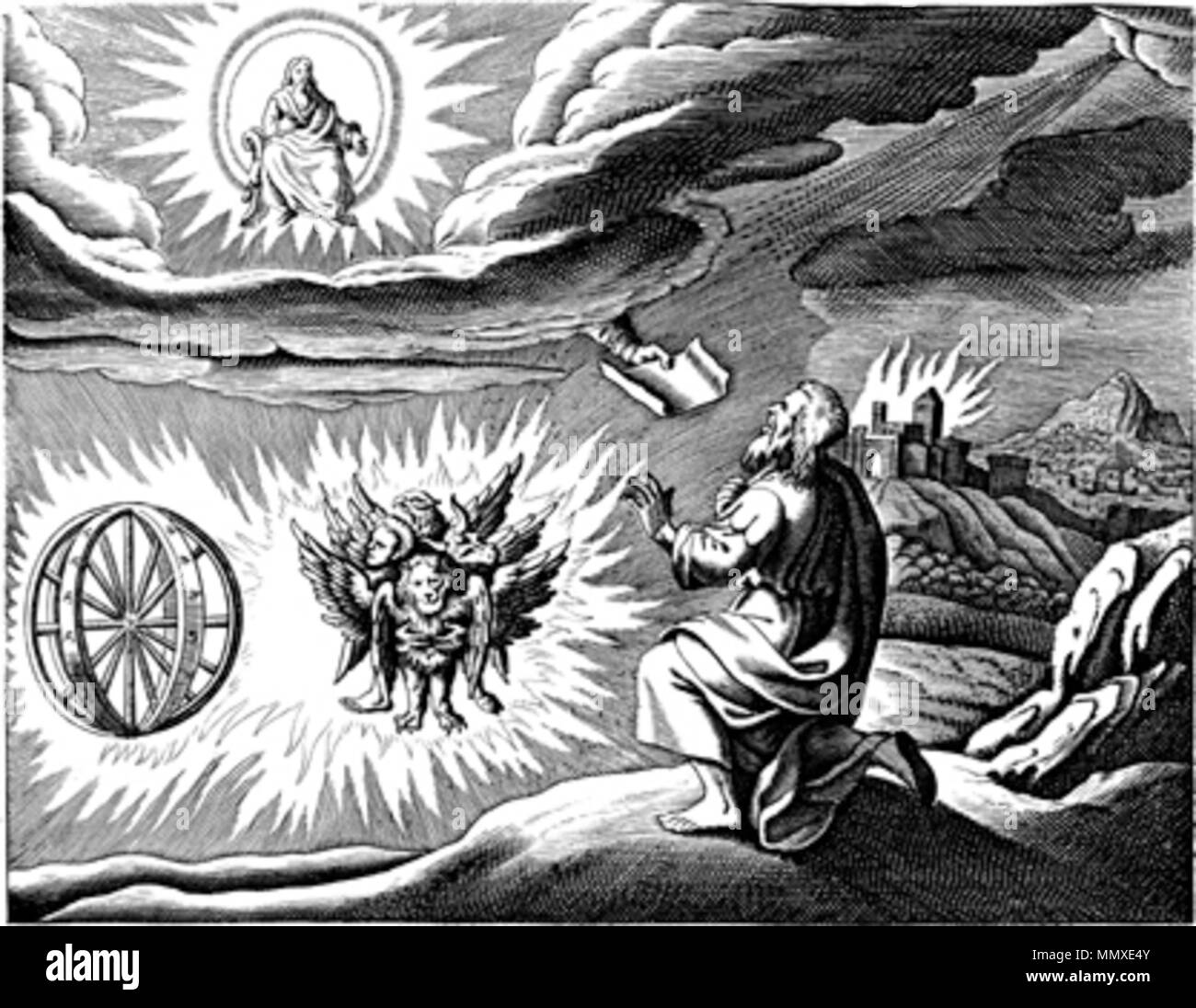
The primary layer of Hegseth’s tattoo is not the biblical text itself, but the specific, non-canonical version popularized by the 1994 film Pulp Fiction. The actual verse in the New King James Version reads: "And I will execute great vengeance upon them with furious rebukes; and they shall know that I am the Lord, when I shall lay my vengeance upon them."
In contrast, the version tattooed on Hegseth—matching the film’s monologue—includes a lengthy preamble regarding the "path of the righteous man" and the "tyranny of evil men." This distinction is critical. The choice to utilize the cinematic script rather than the liturgical text indicates that the primary reference point is a secular, hyper-masculine archetype of "the righteous executioner." In this framework, the individual assumes the role of a divine instrument of justice outside of traditional bureaucratic or legal constraints.
The mechanism at work here is cultural reappropriation. By adopting a quote from a character who is an assassin (Jules Winnfield), the wearer signals an affinity for a specific brand of "warrior-philosopher" ethics. This creates an immediate cognitive dissonance within a military structure that prioritizes the Law of Armed Conflict (LOAC) and strictly defined Rules of Engagement (ROE). The cinematic version of the verse emphasizes personal agency in the delivery of "great vengeance," whereas military doctrine emphasizes collective discipline and the state's monopoly on violence.
The Crusader Narrative and Symbolic Insurgency
Beyond the cinematic reference, the Ezekiel 25:17 tattoo exists alongside other markings on Hegseth’s body, most notably the Jerusalem Cross on his chest. This creates a Symbiotic Symbolic Cluster. When analyzed together, these tattoos transition from individual "cool-guy" references to a cohesive ideological statement.
The Jerusalem Cross is historically associated with the Crusades and the Latin Kingdom of Jerusalem. In the modern military context, particularly within certain factions of the Special Operations Forces (SOF) community where Hegseth served, these symbols have been reclaimed as markers of a "Christian Warrior" ethos. This ethos operates on a logic of civilizational struggle.
The "Crusader" framework provides a psychological buffer for soldiers engaging in long-term counter-insurgency operations. It transforms a geopolitical conflict into a moral or spiritual one. However, this creates a strategic liability for a Secretary of Defense. The Pentagon’s effectiveness depends on:
- Diplomatic Interoperability: Maintaining alliances with non-Christian nations, particularly in the Middle East.
- Internal Cohesion: Leading a pluralistic force that includes 2.1 million active-duty and reserve members of diverse faiths.
- Legal Legitimacy: Adhering to international treaties that forbid the framing of conflict in religious terms.
The presence of the Ezekiel verse acts as a "dog whistle" to a specific base of political support while simultaneously acting as a "red flag" to institutionalists concerned with the secular neutrality of the American military command.
The Cost Function of Visible Ideology
In a corporate or political environment, tattoos are visual data points that influence Perceived Neutrality. For a cabinet-level official, the cost function of visible, provocative symbology is measured in "Friction Units." Every time a symbol requires an explanation or a defense, it consumes political capital that could otherwise be spent on procurement reform, force design, or strategic competition with peer adversaries.
The controversy surrounding Hegseth’s tattoos is not merely an aesthetic debate; it is a question of Institutional Signaling. The Secretary of Defense is the civilian head of the military. Their primary function is to project stability and objective authority.
The "Ezekiel 25:17" tattoo introduces two specific types of institutional friction:
- External Signal Distortion: Adversaries and allies alike interpret the symbol through their own cultural lenses. In a region like the Levant, a US Defense Secretary with Crusader-themed and vengeance-coded tattoos is not seen as a neutral administrator but as a partisan actor.
- Internal Command Tension: The military operates on the principle of Uniformity. While personal expression is increasingly permitted, symbols that lean into "vengeance" rhetoric can be perceived as undermining the professional, clinical nature of modern warfare.
The Psychology of the Warrior Ethos vs. The Bureaucrat
The tension here represents a fundamental split between the "Warrior Ethos" and the "Managerial Class." Hegseth’s tattoos are a deliberate rejection of the sterilized, focus-grouped image of a Washington insider. They are designed to signal "Authenticity" to the rank-and-file—the "grunt" who feels alienated by the perceived "wokeness" or softening of military culture.
This is a calculated risk. By leaning into the symbology of the righteous avenger, Hegseth builds immediate rapport with a specific segment of the military that feels overlooked. This creates a bottom-up loyalty structure. However, it simultaneously creates a top-down skepticism among the General Officer corps, who view such signaling as a breach of the professional distance required for high-level strategy.
The "righteous man" in the Ezekiel verse is tasked with protecting the weak from the "tyranny of evil men." In Hegseth’s likely application of this logic, the "evil men" are not just foreign terrorists, but also the "internal rot" of the Pentagon bureaucracy. This frames his leadership not as a standard administration, but as a "cleansing" operation.
Strategic Implications for Defense Policy
If the Ezekiel 25:17 tattoo is indicative of Hegseth’s broader strategic worldview, we can quantify the likely shifts in Defense Department behavior. We should anticipate a move toward Unilateralism and a deprioritization of multi-national consensus. The "vengeance" and "righteous man" framing suggests a preference for decisive, overwhelming force and a reduction in the legalistic oversight of combat operations.
This ideology aligns with a "Maximum Pressure" foreign policy. It suggests that the US will no longer seek to be the "world’s policeman" in a liberal-internationalist sense, but rather a "world’s judge" that intervenes with extreme lethality when its specific interests are threatened.
The primary risk is Symbolic Overload. If the Secretary of Defense becomes more famous for his ink than his policy, the message is lost. In the domain of high-stakes signaling, a symbol that requires a 1,000-word essay to "correctly" interpret is a symbol that has failed its primary mission of clear communication.
The strategic play for Hegseth moving forward is not to hide the symbols—which would be seen as a retreat—but to aggressively re-contextualize them. He must pivot the narrative from "vengeance" to "vigilance." He needs to demonstrate that the "righteous man" of his tattoo is capable of the restraint required to manage a nuclear arsenal and a global network of bases. If he cannot bridge the gap between the warrior-monk aesthetic and the requirements of global hegemony, the tattoos will remain a focal point for institutional resistance, acting as a permanent friction point in the gears of the American defense machine.