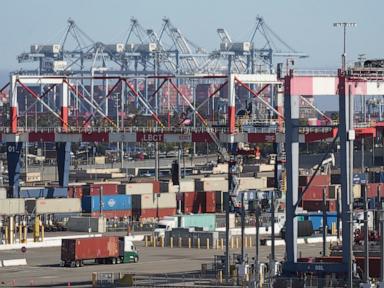
Repeated environmental regulatory violations represent a failure of internal governance, risk management, and capital allocation rather than isolated operational anomalies. When an energy enterprise incurs hundreds of statutory penalties over a condensed timeline, the underlying mechanism is rarely technical incapability. Instead, it signals a structural imbalance where short-term operational throughput is prioritized over long-term compliance expenditure. Standard reporting frames environmental fines as simple legal headlines, but a rigorous analysis reveals them as calculated trade-offs between regulatory penalties and internal compliance costs.
To evaluate why continuous non-compliance occurs, energy sector operations can be deconstructed into three primary operational vectors: capital expenditure allocation, internal monitoring protocols, and operational incentive structures.
The Triad of Non-Compliance Velocity
Systemic regulatory breaches stem from specific break points within corporate operating models. Organizations operating aging infrastructure often face a stark choice between immediate capital investment and reactive maintenance regimes.
1. Capital Allocation Lag
When maintenance capital expenditure (CapEx) is deferred, the probability of containment failures, flaring excesses, and unpermitted emissions rises along an exponential curve. Deferring maintenance increases immediate cash flow metrics, masking operational risk. When the expected cost of regulatory enforcement remains lower than the capital required for total system overhauls, the decision-making framework defaults toward reactive repairs. This capital allocation lag directly accelerates the frequency of operational infractions.
2. Information Asymmetry and Internal Audit Deficits
Regulatory monitoring depends heavily on corporate reporting structures. When internal monitoring tools lack granular tracking, management remains unaware of low-level operational failures until they aggregate into severe breaches. Modern industrial facilities process high volumes of fluid and gas under pressure; minute pressure drops or minor valve leakage often go unaddressed if threshold alarms are set too loosely to prevent operational downtime. Consequently, hundreds of minor breaches accumulate prior to external regulatory intervention.
3. Misaligned Incentive Structures
Operational managers on site are typically evaluated on volume, uptime, and immediate operational expense (OpEx) containment. When compensation and career advancement are tied to production targets rather than environmental compliance compliance scores, field teams face a direct incentive to run equipment beyond safe operational parameters. Environmental fines are treated as corporate overhead managed by legal departments, decoupling site-level operational actions from financial consequences.
The Financial Mechanics of Environmental Enforcement
Regulatory frameworks enforce compliance using financial penalties designed to strip economic benefit from non-compliant operations. However, the efficacy of these penalties depends on the regulatory cost function.
$$Total Cost = Operational Savings + Deferred CapEx - Regulatory Fines$$
If the total regulatory fines remain significantly lower than the combined financial gain of uninterrupted operation and deferred capital expenditure, fines function as a predictable operating expense rather than an effective deterrent.
Environmental enforcement agencies typically utilize three distinct financial mechanics:
- Per-Day Statutory Fines: Fixed monetary charges assessed for every 24-hour period a facility operates outside legal parameters.
- Economic Benefit Penalties: Additional financial assessments specifically calculated to neutralize any profits gained by delaying environmental controls.
- Mandatory Corrective Action Orders: Legally enforceable mandates requiring immediate capital expenditure to upgrade or replace failing infrastructure, often accompanied by strict court oversight.
When non-compliance crosses a critical threshold—measured in the hundreds of discrete events—the legal risk shifts from civil administrative fines to severe injunctive relief, facility shutdown orders, and potential criminal liability for corporate officers.
Structural Risk Mitigation for Industrial Asset Operators
To arrest repetitive compliance failures and realign corporate incentives with statutory requirements, asset managers must implement systemic structural changes across the operational lifecycle.
- Integrated Environmental and Operational Metrics: Operational key performance indicators (KPIs) must assign equal weight to compliance metrics and production targets. Site leaders should experience direct financial consequences when compliance parameters are exceeded.
- Automated Leak Detection and Compliance Auditing: Manual inspections must be replaced with continuous, automated sensor networks that feed real-time telemetry into compliance dashboards. Thresholds for operational alerts must be set conservatively to catch micro-faults before they escalate into statutory violations.
- Dedicated CapEx Escrow for Environmental Infrastructure: Maintenance and environmental mitigation capital must be segregated from general operating funds to ensure that critical upgrades cannot be deferred during periods of market volatility or margin compression.
Continuing to run industrial facilities under a reactive compliance model creates compounding liabilities that erode long-term enterprise value. Organizations must transition from treating environmental regulations as external friction to embedding operational compliance directly into asset performance criteria. The ultimate remediation strategy requires restructuring internal reporting so that field-level decisions directly reflect the true capital cost of regulatory non-compliance.