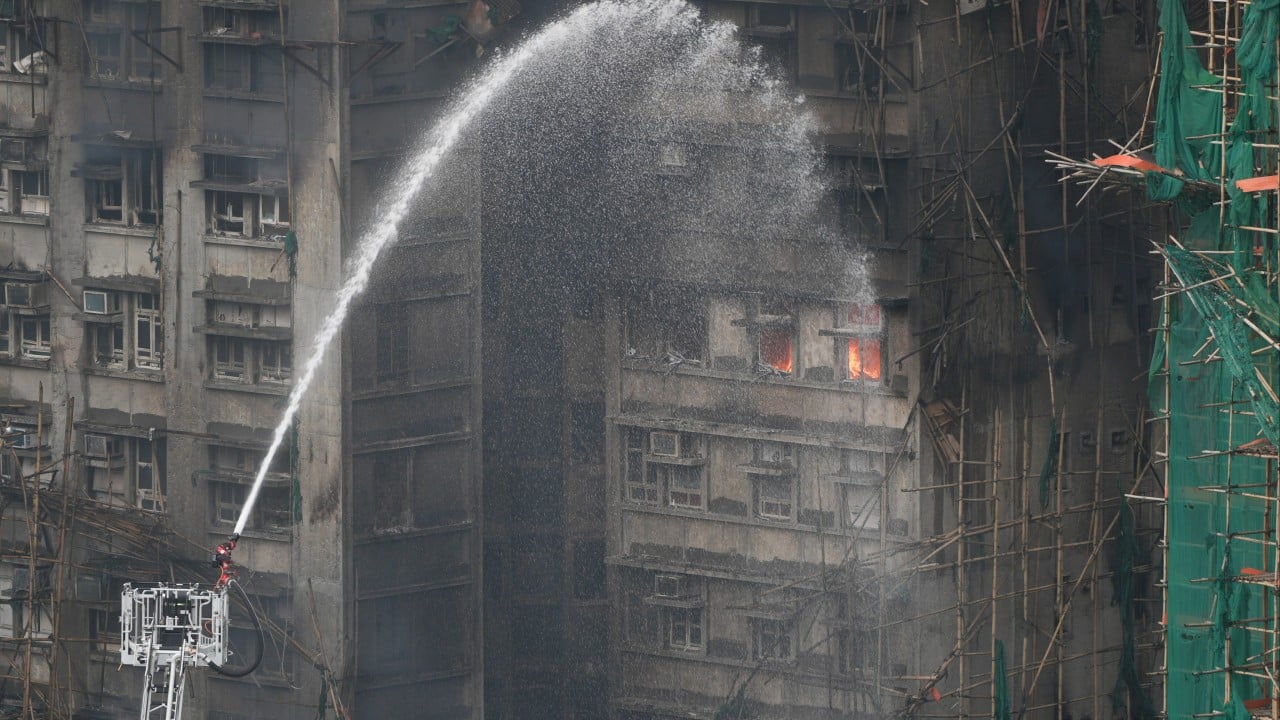
Tragedies have a brutal way of exposing what everyday bureaucracy tries to hide. When the deadly residential fire ripped through Wang Fuk Court in Tai Po, it didn't just destroy homes; it shattered public trust in the systems meant to keep citizens safe. Months of mounting pressure culminated in a hard-hitting independent committee report, laying bare systemic failures across four core government departments.
Instead of sweeping administrative oversights under the rug, top officials faced a reckoning. Chief Executive John Lee and security leadership didn't just issue routine apologies; they pledged sweeping political accountability, structural overhauls, and hundreds of targeted reforms designed to root out corruption.
Uncovering the Roots of Failure
The independent probe didn't pull its punches. It pointed directly at severe regulatory lapses within the Independent Checking Unit, the Buildings Department, the Fire Services Department, and the Labour Department. Safety complaints had bounced around offices for more than a year before the disaster, highlighting a culture of complacency and buck-passing that ultimately cost lives.
Regulators missed obvious warning signs because oversight had become a box-ticking exercise rather than an active defense. When departments fail to coordinate, loopholes open up. Criminal syndicates and triad elements exploit these exact cracks during building maintenance and renovation projects.
Tearing Down Bid-Rigging Syndicates
You can't talk about building safety in densely populated cities without confronting the dark underbelly of property renovation. The Tai Po investigation exposed how criminal elements manipulate tender outcomes. By conspiring with corrupt consultants, professionals, and contractors, these syndicates weaponize intimidation and fraud to monopolize maintenance contracts.
Ordinary residents lack the technical expertise to spot rigged bids or substandard fire-safety compliance. When the system leaves everyday owners to fend against predatory contractors, disasters happen. The newly announced reforms target this exact corruption vector, promising stricter enforcement of the Mandatory Building Inspection Scheme originally enacted back in 2012. Governments can't simply set guidelines and walk away; audits and spot-checks must have teeth.
Rebuilding Homes and Credibility
Accountability isn't just about political resignations or disciplinary investigations; it requires tangible restitution for the victims. The Hong Kong government took the unprecedented step of purchasing ownership interests in Wang Fuk Court at above-market value. Residents were given immediate support through temporary relocation options, alongside choices between cash payouts or flat-for-flat exchanges in modern government-subsidized housing. An overwhelming majority accepted the arrangement, showing that financial backing matched official promises.
Simultaneously, law enforcement launched aggressive joint operations involving police and the Independent Commission Against Corruption. Dozens of arrests and multiple formal charges sent a clear signal that criminal negligence and bid-rigging will face severe legal consequences.
Real reform demands more than a lengthy document published on a government website. It requires a permanent shift toward result-oriented governance where leadership takes ownership of failures before they compound into catastrophe. The fire at Tai Po has been put out, but the hard work of fixing the institutional machinery is just beginning.
Observing Hong Kong's governance after 2025 Tai Po fire
This video provides an in-depth look at how the independent committee's report and subsequent government reforms have shaped the broader landscape of public safety and administrative accountability in Hong Kong.