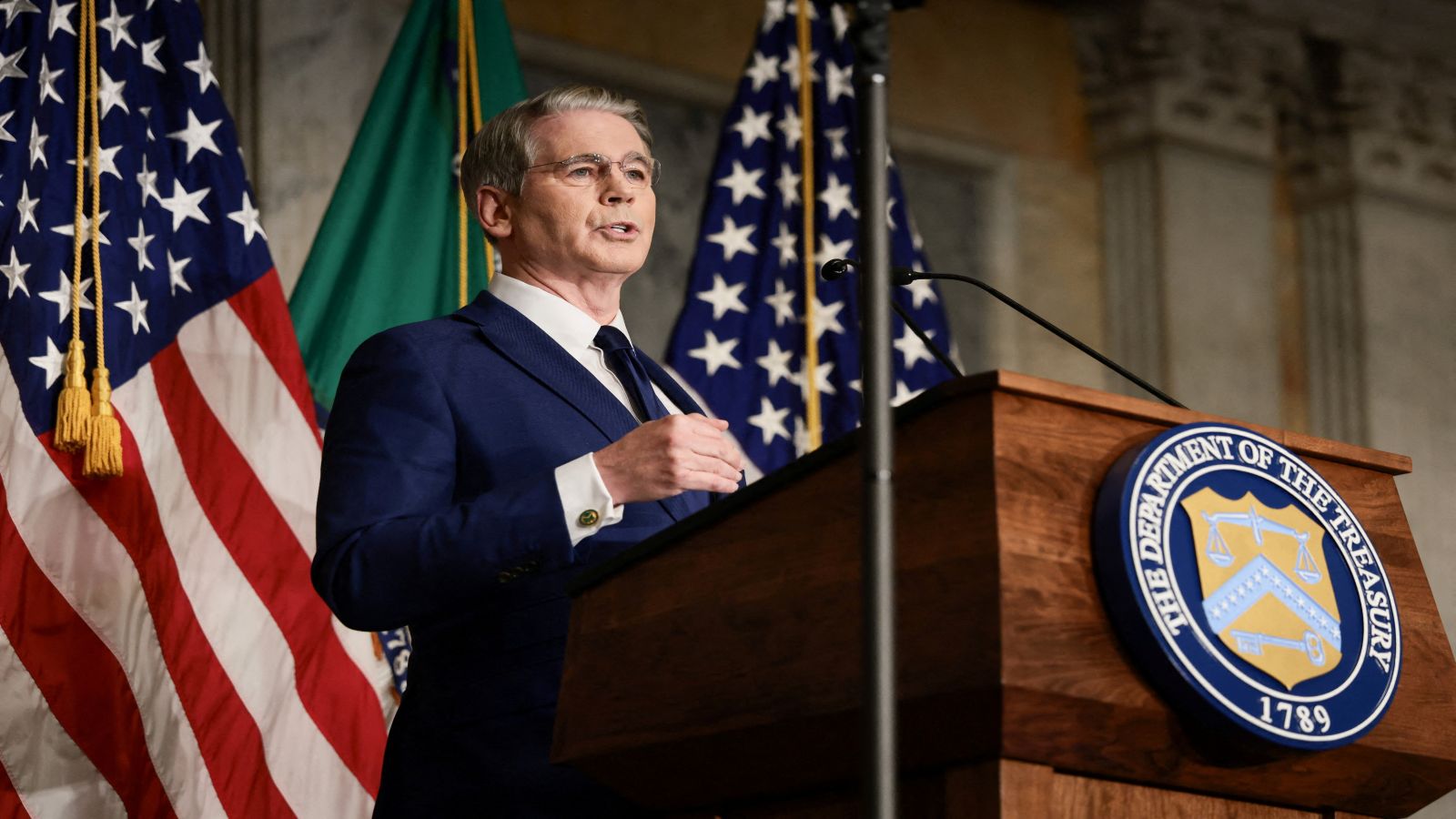
Every time Washington panics about Tehran, the knee-jerk playbook opens to the exact same page. Haul out the Treasury Department, point the finger at commercial banks, and threaten massive penalties for anyone touching Iranian capital. The mainstream narrative screams that tightening the financial noose around banking institutions will finally choke off the regime. It is clean, it is loud, and it is fundamentally wrong.
I have watched bureaucrats blow billions chasing ghosts through SWIFT messages while the actual money moves right past them. The lazy consensus assumes that global finance operates like a centralized faucet you can simply turn off. Read more on a connected subject: this related article.
Banks are not the root of the illicit flow. They are the symptoms. When you squeeze traditional lenders, you do not stop the trade; you merely upgrade the machinery of evasion.
The Myth Of The Centralized Chokepoint
The orthodox argument claims that weekly sanctions targeting banking networks will isolate Iran completely. This relies on a child's understanding of modern liquidity. High-value state actors do not shuffle cash through standard correspondent accounts with big neon signs pointing to Tehran. They use shadow networks, shell corporations registered in lax jurisdictions, and barter systems that bypass Western ledgers entirely. More reporting by Forbes explores comparable perspectives on the subject.
Let us look at how trade actually happens on the ground. When a commodity moves from the Persian Gulf to an Asian buyer, the transaction rarely settles in US dollars or touches a bank subject to New York jurisdiction. It happens via alternative messaging systems, cryptocurrency rails, or direct commodity swaps. Oil goes out; refined products, industrial machinery, or physical gold come back.
Financial institutions in the West compliance officers caught in the middle of this theater spend millions on automated transaction monitoring. They flag minor discrepancies while the heavy tonnage of sanctions busting happens in plain sight through non-bank financial intermediaries. Punishing a retail bank for missing a hidden desk-to-desk transfer is like ticketing a local car dealership because a drug cartel bought a used sedan down the street. It feels like law enforcement, but it alters zero outcomes.
Why Bessent And The G20 Are Barking Up The Wrong Tree
When Treasury leadership brings these measures to the G20, they are selling a comforting illusion to international partners. They want allies to believe that a tighter banking collar will squeeze the regime into submission.
Here is the inconvenient truth that nobody in Washington wants to admit: every time you weaponize the global banking system for pure geopolitical signaling, you accelerate the creation of parallel financial infrastructure. China, Russia, and regional middle powers are not sitting around waiting for Western compliance mandates to dictate their trade policy. They are building bilateral settlement mechanisms that do not use the dollar and do not care about Treasury directives.
By forcing banks to bear the brunt of enforcement, you create three predictable failures.
- De-risking deserts: Banks pull out of entire emerging regions, not because every transaction is dirty, but because the compliance risk outweighs the profit margin. This starves legitimate businesses of capital while leaving illicit networks untouched.
- Regulatory exhaustion: Compliance departments become bloated paper-shufflers, ticking boxes to satisfy regulators while real actors adapt their routing within hours.
- Strategic fragmentation: Adversaries build robust, sanction-proof alternatives that permanently erode the long-term dominance of Western financial hegemony.
You cannot bully the global ledger into compliance when the global ledger is fracturing into competing blocs.
The Unspoken Cost Of Financial Theater
Imagine a scenario where every tier-one bank implements draconian monitoring protocols overnight. Iranian state entities do not suddenly fold their hand. Instead, liquidity migrates deeper into the grey economy. Hawala networks expand. Digital asset adoption among sanctioned states spikes. The trade becomes more expensive, yes, but it does not stop. The added cost is simply absorbed by middlemen and intelligence agencies running front companies.
The bankers know this. The intelligence community knows this. Yet the political class keeps pushing the button because doing nothing looks weak, while launching a new sanctions package looks decisive. It is a masterclass in performative governance.
If you want to disrupt state-backed revenue streams, targeting retail and commercial banks is about as effective as trying to drain an ocean with a teaspoon. You have to go after physical supply chains, maritime transshipment points, and the specific corporate shells providing maritime insurance and flag registries. Money is just water; it finds the lowest crack. If you want to stop the flood, block the channel, don't yell at the bucket.
Stop treating global banking as a weapon of mass persuasion. It is a utility. The moment you turn every teller and compliance officer into a geopolitical enforcer, you destroy the utility without changing the geopolitics.
The next time you hear about a sweeping new financial crackdown designed to starve a regime of cash, look past the press release. Follow the physical barrels, the hidden bulk carriers, and the sovereign barter agreements. That is where the real economy lives. The bankers are just reading the weather report.


