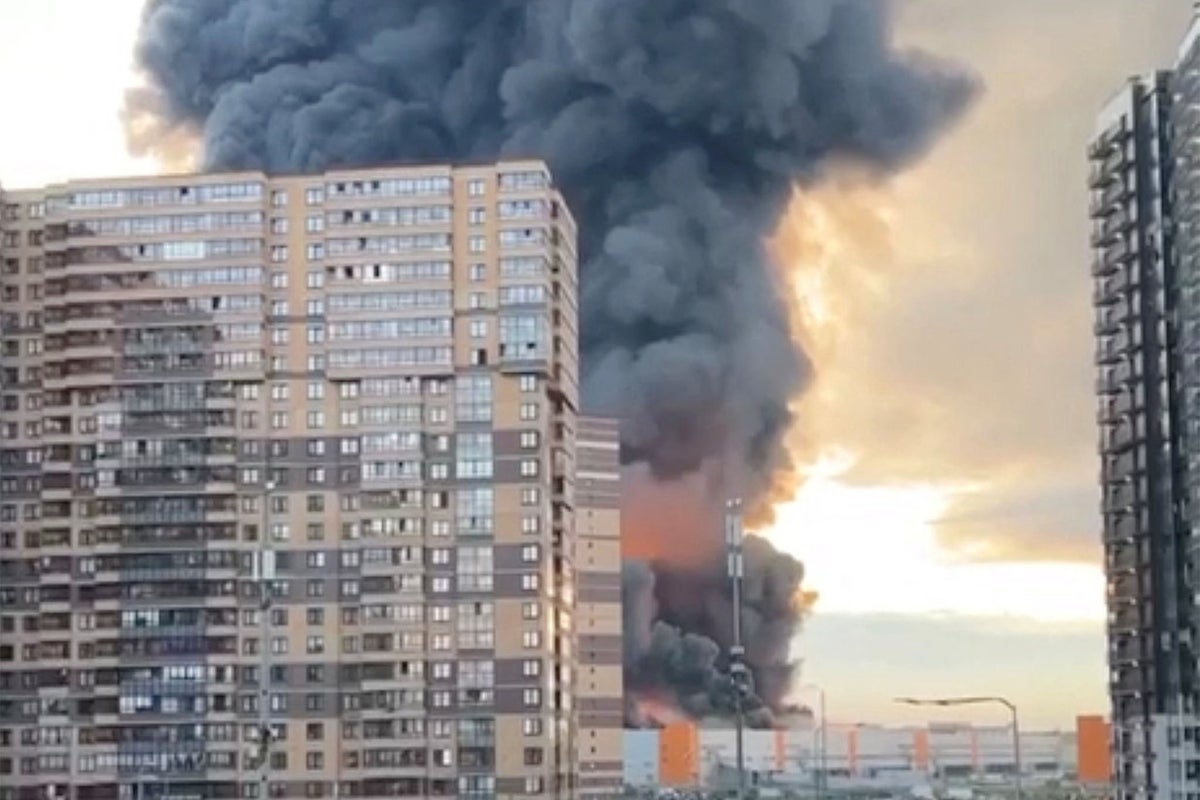
Concentrated logistics architecture creates structural vulnerability in modern digital platforms. When physical distribution centers burn, the capital destruction extends far beyond bricks, steel, and burned inventory. It fractures working capital cycles, exposes asymmetric counterparty risks, and destabilizes third-party seller networks.
The series of precision strikes against Wildberries—Russia’s dominant e-commerce ecosystem, processing millions of transactions daily—demonstrates how long-range interdiction can target consumer market operational integrity. Beyond immediate supply chain disruptions, these systematic disruptions expose critical structural flaws within centralized fulfillment systems.
The Network Geometry of Concentrated Distribution
E-commerce marketplaces rely on extreme density to optimize fulfillment economics. Lowering delivery costs per unit requires consolidating inventory into hyper-scaled fulfillment hubs spanning hundreds of thousands of square meters.
This reliance on centralized nodes creates systematic points of failure:
- Spatial Capital Risk: Facilities exceeding 100,000 square meters concentrate billions of rubles in physical inventory within single containment zones.
- Throughput Bottlenecks: Disruption to top-tier regional distribution centers instantly eliminates 7% to 10% of total network processing capacity.
- Rerouting Cascades: Rerouting millions of stock-keeping units (SKUs) to secondary hubs increases processing times across adjacent nodes, driving operational cost spikes.
[Central Hub Destruction]
         │
         ├──> Inventory Elimination (Direct Capital Loss)
         ├──> Working Capital Shock (Merchant Liquidity Crisis)
         └──> Throughput Redirection ──> Secondary Hub Congestion ──> Increased SLA Times
When multi-tenant nodes like the Elektrostal, Krasnodar, or Nevinnomyssk hubs suffer severe damage, the operational failure ripples down through secondary and tertiary distribution links.
The Three Layers of Capital Destruction
Evaluating the financial impact of distribution center destruction requires segmenting losses across three distinct operational layers.
1. Physical Infrastructure Assets
Rebuilding mega-distribution facilities demands massive capital outlay. Reconstruction costs—excluding specialized internal automated sorting systems—range between 60,000 and 100,000 rubles per square meter. Rebuilding a single 150,000-square-meter facility requires an upfront capital allocation of up to 15 billion rubles ($170M+) strictly for basic real estate and civil engineering.
2. Merchant Working Capital
Third-party merchants carry the burden of inventory destruction. Unlike platform operators who generate fee margins on throughput, merchants maintain balance-sheet risk for the physical goods parked in platform hubs. The loss of inventory destroys seasonal working capital, rendering small-and-medium enterprises (SMEs) unable to restock, fulfill debt service obligations, or sustain vendor terms.
3. Network Cash Flow Interruption
Capacity loss halts platform monetization mechanisms. Wildberries forfeits transactional commission fees, last-mile delivery charges, merchant advertising revenues, and fulfillment processing surcharges. Simultaneously, the network absorbs inventory redirection overhead, tax penalties, and emergency platform credits issued to prevent merchant churn.
The Legal and Counterparty Arbitrage Mechanism
Physical risk exposure reveals structural counterparty friction between digital platform operators and independent merchants.
Terms of service adjustments often introduce explicit force majeure clauses encompassing military action and unmanned aerial vehicle (UAV) damage. Legally, platforms shield themselves from mandatory indemnification claims, shifting catastrophic risk directly onto merchant balance sheets.
+-----------------------------------------------------------------------+
|                       THE FORCE MAJEURE DILEMMA                        |
+-----------------------------------------------------------------------+
|  LEGAL STANDING                                                       |
|  * Platform enforces contractual liability exclusions.               |
|  * Zero legal duty to compensate lost merchant stock.                 |
+-----------------------------------------------------------------------+
|  OPERATIONAL REALITY                                                  |
|  * Uncompensated merchants collapse or migrate to competitors.         |
|  * Platform inventory selection shrinks, eroding consumer retention.  |
+-----------------------------------------------------------------------+
|  STRATEGIC COMPROMISE                                                 |
|  * Platform uses captive fintech arms to offer credit & deferrals.    |
|  * Absorbs short-term balance-sheet stress to protect seller ecosystem.|
+-----------------------------------------------------------------------+
Platforms face an operational dilemma. Enforcing force majeure protects corporate cash reserves short-term but risks destroying the third-party merchant base. A mass merchant exodus to competing platforms (such as Ozon) degrades platform selection depth and long-term gross merchandise value (GMV).
To prevent platform flight, operators deploy captive fintech subsidiaries (e.g., WB Bank) to issue debt deferrals, liquidity bridges, and fee waivers. This strategy converts an unrecoverable property loss into long-term credit exposure.
Market-Wide Cost Inflation and Risk Re-pricing
Systemic infrastructure attacks recalibrate financial risk assessments across the entire domestic retail sector.
Market spillovers manifest in three concrete ways:
- Equity Market Volatility: Capital markets treat structural physical risks as sector-wide threats rather than company-specific anomalies. Publicly traded competitors see valuation hits due to anticipated increases in risk mitigation overhead and potential security capital expenditures.
- Uninsurable Asset Classes: Underwriters exclude war risks, drone strikes, and state-level hostilities from standard commercial coverage. Operating large-scale fulfillment hubs shifts from an insurable balance-sheet risk to an unhedged operational liability.
- Physical Security Capital Expenditure: Platforms must build defensive perimeter infrastructure, implement localized electronic warfare countermeasures, and establish decentralized distribution nodes. These requirements increase fixed operating costs across the logistics footprint.
The Strategic Decentralization Imperative
Concentrating inventory inside high-density mega-hubs maximizes theoretical margins during peace, but introduces catastrophic vulnerability under systemic physical disruption.
To build supply chain resilience under sustained kinetic risk, enterprise platforms must transition from centralized consolidation to modular, decentralized logistics architectures:
- Cap Node Footprints: Restrict single-facility footprints to under 40,000 square meters to limit capital exposure per physical zone.
- Distribute Inventory Nodes: Implement micro-fulfillment networks situated near urban consumer markets, trading marginal efficiency for risk mitigation.
- Dual-Sourced Routing Rules: Reconfigure platform algorithmic order routing to dynamically adjust for regional hub disruptions without requiring manual operational overrides.
- Structure Co-Insurance Protocols: Establish platform-wide insurance liquidity pools funded by nominal micro-fees on every completed order, guaranteeing third-party merchant claims during force majeure events without requiring state intervention or debt issuance.
Implementing a distributed fulfillment architecture increases baseline operating cost per unit, but eliminates single points of failure capable of wiping out single-digit percentages of national distribution capacity in a single event.
.png)