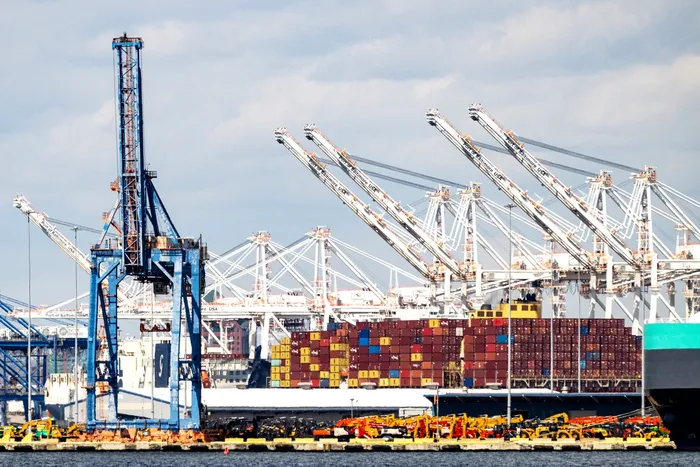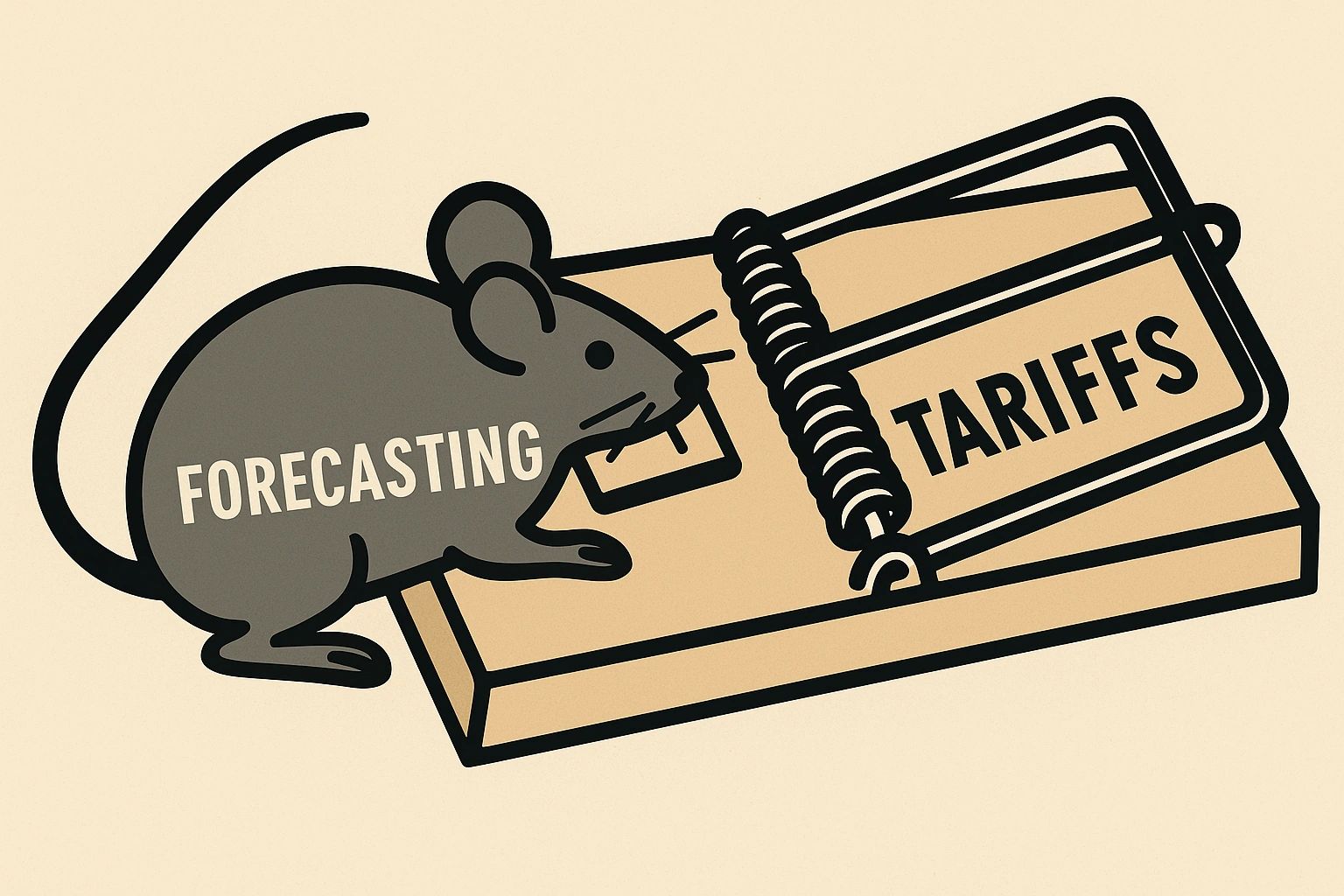
The headlines are screaming about a "victory" for importers. Reuters and the rest of the legacy press are fawning over the launch of a new tariff refund system, painting a picture of thousands of companies finally getting their due. They want you to believe this is a windfall. They want you to think the "system" is working because a few billion dollars might trickle back into corporate coffers.
They are dead wrong.
Chasing tariff refunds is the corporate equivalent of scouring the couch cushions for change while your house is on fire. If your business model depends on the successful clawback of duties through a convoluted, bureaucratic labyrinth, you aren't a leader; you’re an administrative victim. This isn't a "refund system." It is a massive, tax-funded distraction that keeps American companies hooked on fragile, overseas supply chains rather than doing the hard work of re-shoring or innovating out of the tax bracket entirely.
The Myth of "Found Money"
The prevailing sentiment in C-suites right now is that tariff refunds—specifically duty drawbacks—are "found money." Accountants love this narrative. It makes them look like heroes. But let’s look at the mechanics. To claim a refund, you must first pay the duty. You then lock that capital away in the government’s vault, interest-free, for months or years.
By the time you get that "refund," its purchasing power has been eroded by inflation. More importantly, the opportunity cost is staggering. While your capital was sitting in a federal escrow account waiting for a filing clerk to sneeze, your competitors were reinvesting their liquid cash into automation, R&D, or talent.
I have seen companies spend $500,000 on specialized "trade consultants" and legal fees just to claw back $2 million in duties. When you factor in the man-hours, the software integration, and the sheer mental bandwidth consumed by compliance, the "win" looks more like a break-even.
The Compliance Industrial Complex
The launch of a new system doesn't make things easier; it makes things more complex. Every time the government "streamlines" a process, they actually create a new layer of data requirements. The "lazy consensus" says this is a win for transparency. The reality is that it’s a gold mine for the Compliance Industrial Complex.
These refund systems require meticulous record-keeping that ties every imported component to a specific exported finished good. This is a data nightmare. If you miss one serial number, or if your bill of materials (BOM) has a 1% discrepancy, the "system" flags you for an audit.
An audit isn't just a hurdle. It’s a colonoscopy for your supply chain.
Customs and Border Protection (CBP) doesn't just look at the refund; they look at everything. Chasing a $50,000 refund can trigger a $500,000 fine for a classification error you made three years ago. The risk-to-reward ratio is fundamentally broken, yet companies keep lining up because they’ve been told it’s "their money."
Why You’re Asking the Wrong Question
People keep asking, "How do I get my refund faster?"
That is a loser's question.
The question you should be asking is: "Why is my product still subject to Section 301 or 232 duties in the first place?"
If you are still importing raw materials or components that are being hammered by tariffs, you have failed at strategic sourcing. The "contrarian" move isn't to get better at filing paperwork; it’s to render the paperwork obsolete.
There are three ways to do this, and none of them involve a government portal:
- Substantial Transformation Engineering: Instead of importing a 90% finished product, import the raw materials and do the heavy lifting in a trade-friendly jurisdiction or domestically.
- SKU Rationalization: Most companies have a "long tail" of products that are barely profitable after tariffs. Stop trying to get refunds on them. Kill the SKUs. Focus on the high-margin items where the duty is a rounding error.
- Technological Arbitrage: If a tariff makes a part expensive, stop using that part. Redesign the product to use materials that aren't in the crosshairs of a trade war.
The Hidden Cost of Fragility
The biggest lie in the Reuters piece is the idea that these refunds provide "stability" for businesses.
Nothing could be further from the truth. Relying on tariff refunds introduces political risk into your balance sheet. Trade policy is a pendulum. What is refundable today can be non-refundable tomorrow by executive order.
When you build a business model around the assumption of a 99% duty drawback, you are building on sand. You are effectively letting a bureaucrat in D.C. decide your EBITDA. I’ve seen mid-market manufacturers go under because a "promised" refund was held up in a policy shift, causing a liquidity crunch that their lenders wouldn't bridge.
The Drawback as a Subsidy for Inefficiency
Let’s be brutally honest: Duty drawbacks are a subsidy for companies that refuse to evolve. They act as a safety net for those who are too slow to move their manufacturing out of high-tariff zones.
Imagine a scenario where two companies produce the same industrial widget.
- Company A spends all its energy on the new refund system, maintaining a 40-person compliance team to manage its China-centric supply chain.
- Company B accepts the short-term hit, burns the midnight oil to find a Mexican or Vietnamese supplier, and invests in domestic assembly.
In two years, Company B has a leaner, faster, more resilient supply chain. Company A is still waiting for a check from the Treasury, praying that the next administration doesn't change the rules of the "system."
Who would you bet on?
The Fallacy of "Thousands of Claims"
The media loves to cite the volume of claims as proof of the system's importance. "Thousands of companies are filing!" they cry.
Quantity is not quality. The fact that thousands of companies are desperate for these refunds is an indictment of the current state of trade, not a celebration of the solution. It shows a mass-market addiction to a broken status quo.
Most of these claimants are small to mid-sized enterprises (SMEs) that are being cannibalized by the overhead of the process. They see the big players getting checks and think they can do the same. They don't realize the big players have "Drawback Specialists" who used to work for the CBP. It’s a rigged game where the house always takes a cut, either in time or in fees.
Stop Being a Bureaucracy Junkie
If you want to actually protect your margins, stop looking at the refund portal. The portal is a trap. It’s designed to keep you compliant and quiet.
Real leadership in the current trade environment requires a total rejection of the "refund" mindset. You have to treat tariffs as a permanent cost of doing business and an incentive to innovate. If you can't make your product profitable without a government kickback, you don't have a business—you have a hobby that's subject to the whims of the Department of Commerce.
The winners of the next decade won't be the ones who mastered the new refund system. They’ll be the ones who made sure they never had to use it.
Get off the floor, stop looking for change in the cushions, and go build a supply chain that doesn't require a permission slip from the government to stay solvent.