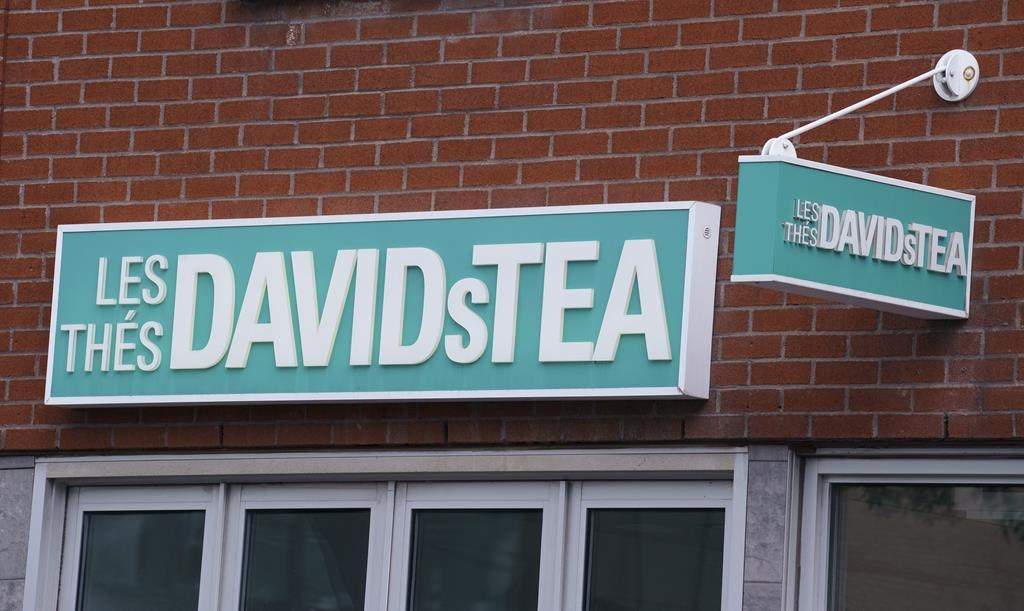
The headlines are bleeding with the same tired script. "DavidsTea recalls herbal blend over undeclared almond." The public responds with a collective, predictable yawn, punctuated only by the occasional panicked tweet from a nut-allergy sufferer. We treat these recalls like weather events—unfortunate, unavoidable acts of God that a simple press release can fix.
That is a lie.
This isn't a "clerical error." It isn't a "labeling oversight." It is a fundamental breakdown of the global botanical supply chain that most tea drinkers are too blissfully caffeinated to notice. When a premium brand like DavidsTea fails to mention an allergen as aggressive as almond, they aren't just missing a word on a sticker. They are admitting that they have lost control over the very dirt their product grows in.
The Myth of the Clean Leaf
Most consumers operate under the "Farmer Brown" delusion. They imagine a serene hillside where a single artisan picks leaves, dries them, and puts them in a bag.
The reality is a jagged, industrial meat grinder.
The herbal tea industry is a sprawling network of middlemen, consolidators, and third-party processing plants. Your "organic" hibiscus might be dried on the same floor where almonds were crushed three hours earlier. The "lazy consensus" in food reporting suggests that these recalls prove the system works. It catches the mistakes, right?
Wrong. A recall is a failure of the highest order. It means the safety net didn't just sag; it ripped open. By the time the Canadian Food Inspection Agency (CFIA) or the FDA gets involved, the product is already in your cupboard. You've already steeped it. You've already taken a sip.
I have spent fifteen years looking at supply chain audits that would make your skin crawl. I’ve seen facilities where "cross-contamination" isn't a risk; it's a certainty. When a company issues a recall for undeclared allergens, they are telling you that their internal testing—the very thing you pay a premium for—is reactive, not proactive.
The Cost of Premium Incompetence
Let’s talk about the math of a recall. DavidsTea, a brand that built its empire on a specific "lifestyle" aesthetic, cannot afford these hits. But they happen anyway. Why? Because the industry prioritizes flavor complexity over foundational safety.
Take a look at the product in question: "S’mores Chai."
To achieve that specific, hyper-processed flavor profile, you need a laundry list of ingredients. The more ingredients you add, the more vendors you introduce. The more vendors you have, the higher the probability that one of them is cutting corners or failing to clean a conveyor belt in a facility in Northern India or South America.
- Complexity is the enemy of safety.
- Aesthetics are the enemy of transparency.
- Scale is the enemy of quality control.
The industry wants you to believe that "Natural Flavors" is a benign term. In reality, it is a legal black box. It’s where the skeletons are hidden. When a recall for almond hits, it often traces back to these flavoring agents or the carriers used to keep them shelf-stable. If a company doesn't know exactly what is in their "natural" flavor profile, they don't know what they are selling you. Period.
Stop Asking if it is Safe and Start Asking Who Touched It
The "People Also Ask" sections of the internet are filled with variations of "Is DavidsTea safe?" or "What happens if I drink recalled tea?"
These are the wrong questions. You are asking for a binary answer in a world of gradients.
The real question is: What is the distance between the source and the sip?
In the tea world, distance is danger. Every hand that touches the product is a point of failure. Every ship it sits on, every warehouse it’s stored in, and every blending facility it passes through adds a layer of "undeclared" risk.
If you have a life-threatening allergy, the current state of the "fun" tea industry is a minefield. The heavy hitters—the companies with the massive footprints—are often the ones with the least visibility into their own sacks of raw material. They buy in such massive volumes that they are forced to blend batches from different regions just to meet demand.
Imagine a scenario where a batch of cinnamon from Indonesia is processed in a plant that also handles almond-based protein powders. The cinnamon is "clean" according to the Indonesian exporter's paperwork. It arrives in Canada, gets blended into a "S’mores" tea, and suddenly, a teenager in Vancouver is reaching for an EpiPen.
The paperwork was perfect. The tea is toxic.
The High Price of "Cheap" Transparency
We want our tea to be cheap, tasty, and perfectly safe. Choose two.
True transparency—the kind where a brand can tell you the name of the person who ran the harvester—is expensive. It’s "small-batch" expensive. It’s "I can’t find this at the mall" expensive.
DavidsTea and its competitors are caught in a death spiral of trying to maintain "boutique" vibes while operating with "big box" logistics. You cannot have 100+ flavors on a wall and maintain a pristine, allergen-free environment for every single one without massive, astronomical overhead.
They choose the flavor. They choose the margin. You take the risk.
The Industry Insider’s Survival Guide
If you think a recall notice is the end of the story, you’re the mark. It’s the beginning of a PR cleanup designed to make you feel like the "system" is protecting you. It isn't. You are the final quality control inspector.
- Kill the Blends: If you have a severe allergy, stop drinking "dessert teas." The more ingredients listed, the higher the chance of a "processing aid" or "cross-contact" disaster. Stick to single-origin leaves.
- Ignore the "Natural" Tag: "Natural flavors" is a shield for chemical complexity. If a company won't disclose the source of their flavorings beyond that phrase, they are hiding their supply chain's weakness.
- Audit the Auditor: Don't trust a "recalled" notice to tell you a brand is now safe. Look at their history. Frequent recalls aren't a sign of "rigorous testing"; they are a sign of a porous supply chain.
The DavidsTea recall isn't a fluke. It is a symptom of a tea industry that has grown too large to see its own shadow. They are selling you a dream of wellness while delivering a reality of logistical negligence.
Throw the S’mores Chai in the bin. Not because the government told you to, but because you finally realized that the brand doesn't actually know what’s in the bag.
The next time you reach for a cup, ask yourself if you’re drinking tea or a supply chain error. If you can’t tell the difference, the industry has already won.